
Are You Making a Big Assumption About Long-Term Care in Retirement?
Counting on family or eventual Medicaid support can obscure the risks of long-term care. Morningstar’s retirement researchers explain what those assumptions leave out.


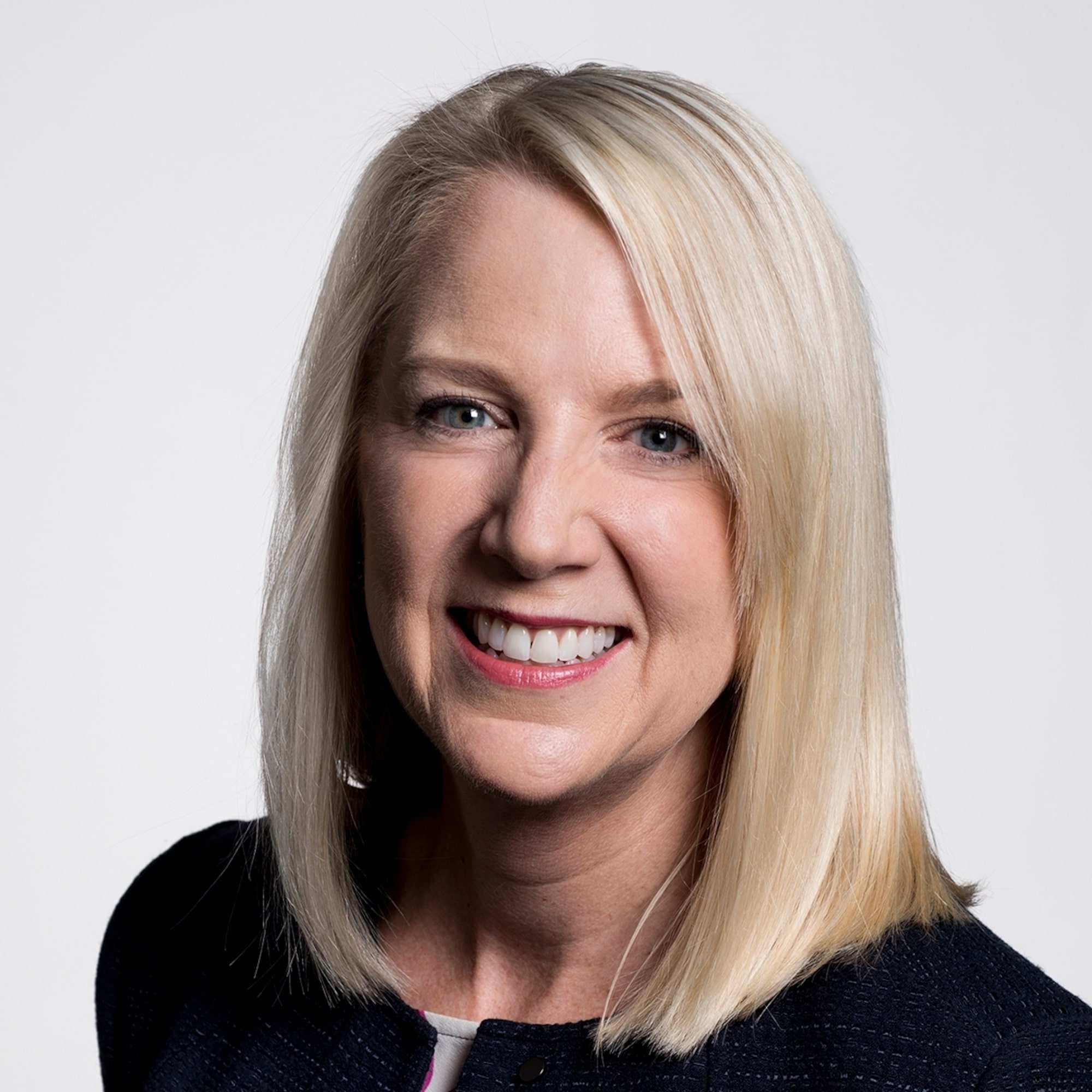
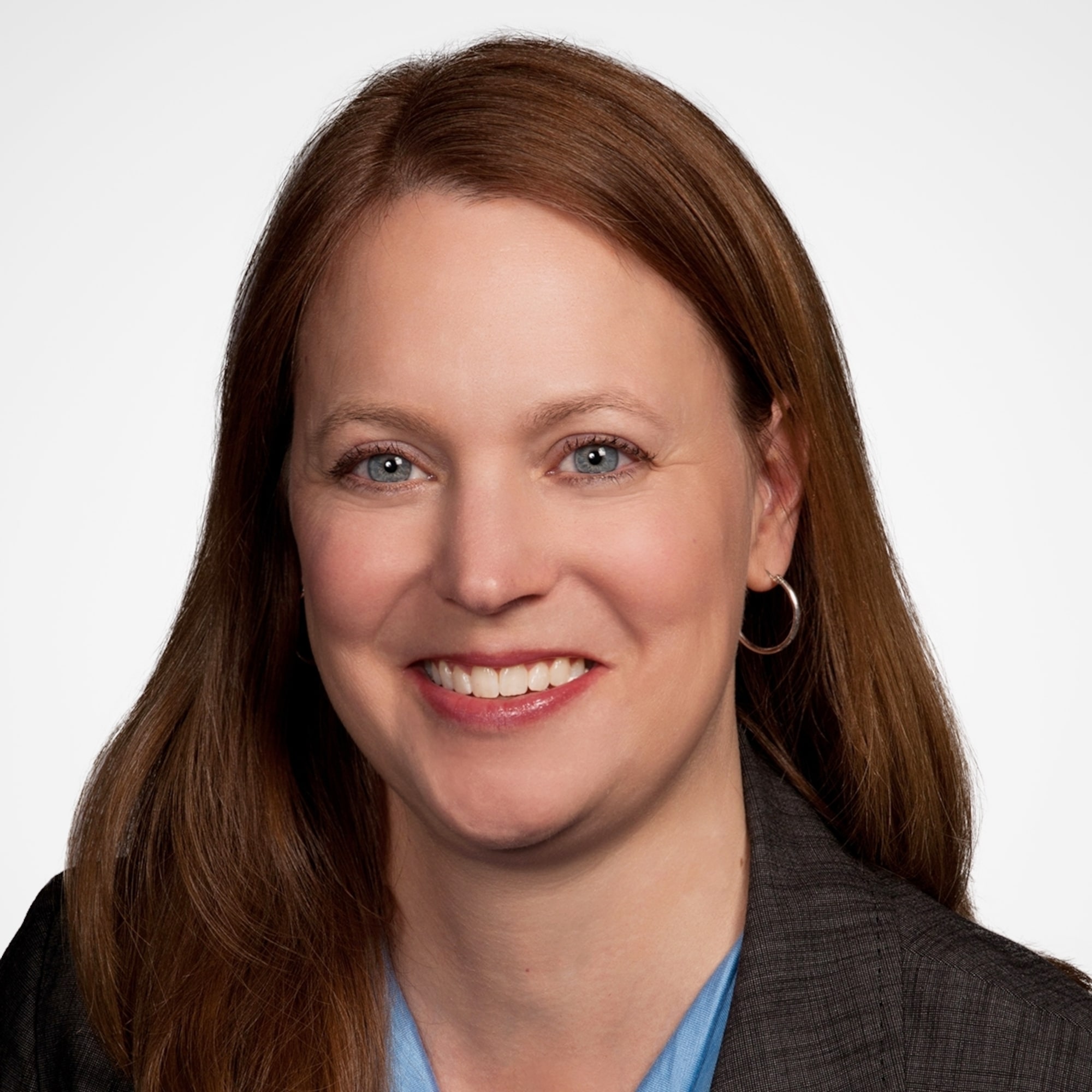

Our conversation on The Long View podcast with Spencer Look and Jack VanDerhei covered many retirement topics, but the discussion about long-term care really struck a chord.
Spencer said that long-term-care costs have a “really, really big impact” on retirement preparedness. How big? Their research for the Morningstar Center for Retirement & Policy Studies shows that about 40% to 45% of the population are at risk of retirement shortfalls, but when long-term care is excluded, the number goes down about 25%.
Read more on long-term care in the excerpt below, and listen to the full episode here:
Planning for Long-Term-Care Costs
Amy Arnott: Earlier in the discussion, we touched on the issue of long-term care, which is really one of the biggest and most uncertain expenses that retirees might face. How can advisors incorporate long-term-care costs into retirement planning without either understating the risk or assuming that every retiree will face extremely high costs for long-term care?
Spencer Look: With long-term care, I think it’s something that has to be addressed with scenario or sensitivity analysis … It does vary by person, by gender, by income level, wealth; all these things can impact how likely it is to need long-term care. I think the best course of action is sensitivity testing. I do think people should think through or talk with your advisor. It’s impossible to know in advance what type of care you might need, but it’s still very good to have preferences and have thought out a nursing home versus home healthcare or other arrangements, family support. That’s something that could be thought through in terms of cost estimates.
It’s a tricky endeavor, but you kind of want to play around with the different levers and understand what the cost could be.
In practice, a lot of people do spend down to Medicaid. And so thinking through that with wealth levels, with what an investor or a client has, thinking through if that approach should be taken. And of course there’s a whole dedicated space in the planning world: Medicaid spend-down and strategy there. It is something that is tricky. In the end, sensitivity testing is, I think, the best way to approach this.
One last point I want to mention on long-term care. We do have a study that will be—not a specific publication date yet—but we’re looking at long-term-care insurance, including combination insurance products. So, whole life or universal life with long-term care or an annuity with long-term care, that’s something that we’re studying. Interested to see how that might be helpful for folks as they navigate long-term-care risk.
Simulating the Likelihood of Long-Term-Care Needs
Christine Benz: Well, Spencer and Jack, you two worked on some research, I think it was published last year, that basically concluded that a lot of the retirement planning research does not adequately factor in long-term care, that it’s a bigger issue for more households than many researchers are assuming. Can you talk about that?
Look: Absolutely. Long-term care, it’s a divisive topic. It’s something that a lot of families, in practice, will use Medicaid and will rely on family support. If you look at different data sources, you may not see really high costs for every family, even though a lot of people in those families need long-term care but are getting unpaid care from their family, spouse, or children. That’s a very common occurrence where that’s not going to be built into a framework because you don’t see a dollar cost put in the data.
Our approach here is that, in our analysis, we have a long-term-care framework that will simulate how likely it is that someone will need long-term care and different types of long-term care. This framework is based on the Health and Retirement Study. So, that study tracks individual people and spouses over a period of time as they kind of enter retirement, so both retirement and different health factors, including the need for long-term care.
We built it based on that framework, and we simulate needing care, and then we use the Genworth Cost of Care assumptions with adjustments to model the costs. That’s our approach to look at how likely it is someone might need long-term care and privately fund it. We think that’s the best kind of way to think about it because then if you start assuming family can take care of it, you assume away a large cost that otherwise the household would’ve had to have paid.
That’s our approach with long-term care, but we do run it in our framework multiple ways. We do have a Medicaid functionality built in where, if people qualify based on asset and income limits, they could get Medicaid support for long-term care, can definitely have a big impact on the surviving spouse or the nonaffected spouse. We’ve modeled this in different ways, but in general, it’s a very tricky thing to kind of incorporate in a discussion since there are a lot of different perspectives that kind of go into it.
Jack VanDerhei: I agree with everything Spencer said, but Spencer is being way too polite to give a complete answer to Christine’s question, I think. And this actually is going to tie back to one of the earlier questions that you asked about the different conclusions as far as whether there’s a retirement crisis. I have been doing this for decades, and every time I include long-term care, LTSS, into the retirement-income adequacy model, I inevitably have people who will either complain that we shouldn’t be doing it because it’s “not the 401(k) plan’s problem” or, in essence, that it’s OK if people basically spend down all their assets and they’re financially indigent and then they have Medicaid to pick them up. But if I were an advisor, I’m not sure I would necessarily want to go to my client and say, “You don’t have to worry about long-term care. You don’t have to worry about LTSS because basically we’re going to spend you down to the point where Medicaid’s going to take care of you.” I mean, first of all, that assumes that there’s going to be sufficient assets for wherever state you’re in to be able to handle that.
But I dare say that if you ask most clients whether relying on Medicaid for nursing home care, et cetera, is what they want as part of their retirement plan, I don’t think that’s the case. One of the reasons there’s so much disparity in these overall retirement crisis numbers you’ve been hearing about is that oftentimes they will just assume long-term care, LTSS, is not that big of a deal because people are going to end up getting to the point where Medicaid’s going to take care of them. We have different ways in our model that we look at this, but I would say that that is going to be a really large differentiator in terms of what we end up with on this and what some of the others will look at.
The author or authors do not own shares in any securities mentioned in this article. Find out about Morningstar’s editorial policies.

 United States