
6 Lessons From Losing a Friend and Colleague
Leaving a legacy and other thoughts from a life gone too soon.

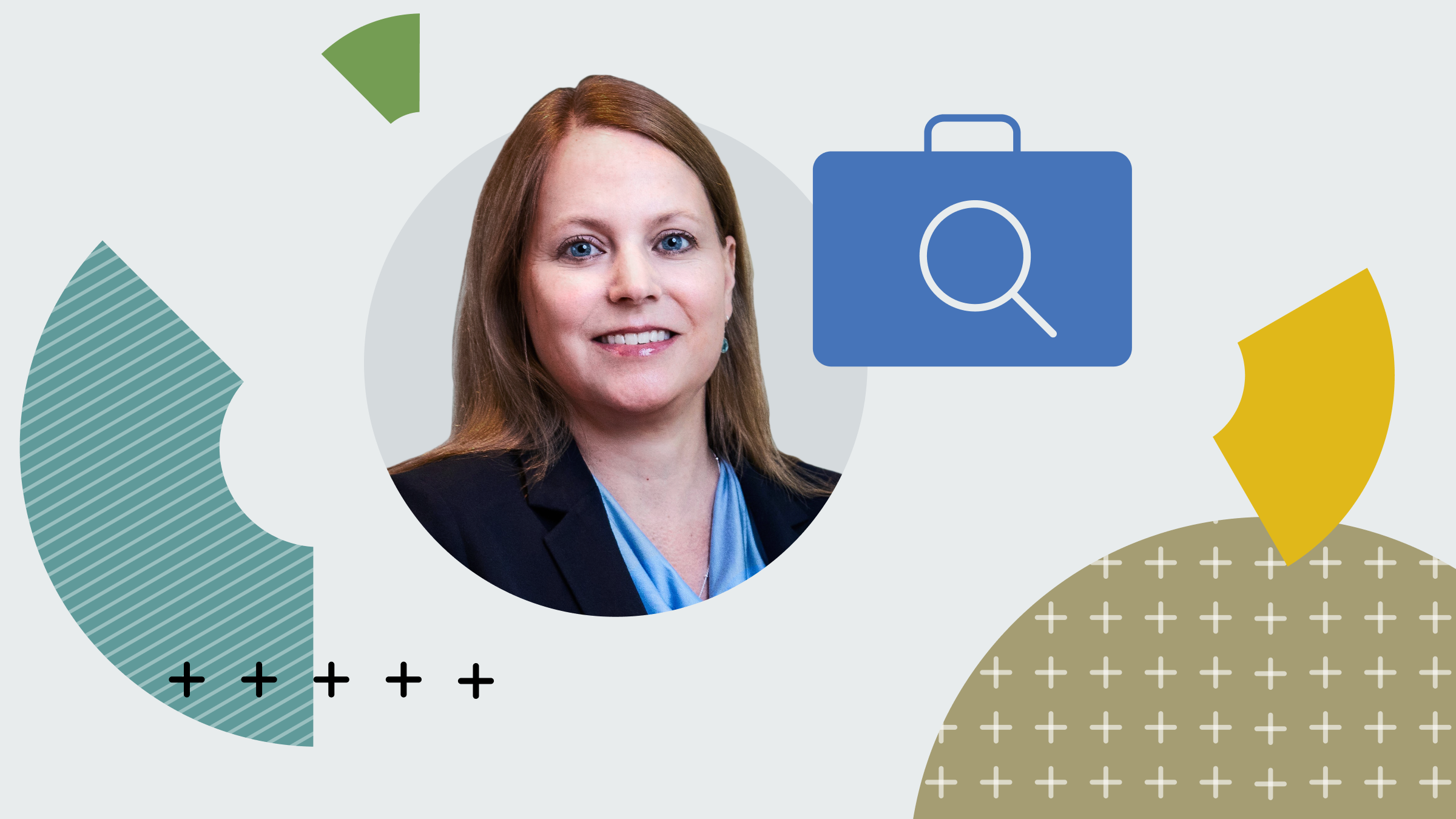
It started out as an ordinary Saturday morning. I woke up early and took the dog to our favorite park. Walked home and fed the dog. Then coffee, breakfast, The Wall Street Journal.
I was on page A10 when I saw a vaguely familiar face—a woman smiling and wearing a business suit. It could have been a LinkedIn headshot, but it was an obituary for my friend Jennifer, who started as a fund analyst for Morningstar the same summer as I did more than three decades ago.
I’m still trying to process this news. In the meantime, I’ve come up with a few takeaways that might be helpful.
1) Nothing Is Guaranteed
The average life expectancy for a 56-year-old woman is about 83½ years. And by all indications, Jennifer should have lived at least that long. When we worked together she was healthy, vibrant. She went to the gym every day after work.
Things didn’t turn out that way. We lost touch after she left Morningstar, but I later learned that she had cancer, which went into remission and then came back. She lived for a while with late-stage cancer, but eventually passed away, leaving behind a husband and two college-age daughters.
The news has reminded me how important it is to enjoy life while you can. Because of the work I do, I’m always aware of the need to plan ahead: saving early and often for retirement and building in a buffer for longevity risk and potentially large bills for long-term care. But it’s just as important to relish life in the present. I’m reminding myself it’s OK to spend on things that are important to me, like travel, concert experiences, and visiting family members.
2) Get Those Checkups
Getting an annual physical, mammogram, or colonoscopy is probably no one’s idea of a fun time. And even with regular medical care, cancer still takes away too many of our friends and colleagues. But scientific advances in medicine are happening all the time, making it possible for some people to continue living for long periods even after a cancer diagnosis. And catching a problem early at least improves the odds that it can be addressed.
3) The Tough Times in Life Are Temporary
Jennifer and I were both straight out of college when we started at Morningstar. It was a steep learning curve, and it wasn’t easy. At the time, I think we were both just trying to make it through the day or the week. I don’t think we had any conception of what would lie ahead—husbands, children, and all of the highs and lows of a long career and a half century on the planet. One of the blessings of middle age is being able to look back on tough times with more perspective and appreciate the good times that followed.
4) Find Your Own Path
Jennifer was a good analyst, but even better as a product manager and leader. After spending a couple of years as an analyst, she went on to head up Morningstar’s variable annuity publications. She went back to the University of Chicago for an MBA and then lived in Hong Kong for several years, working for Citibank managing alternative investment products. After returning to the US, she continued to build up an impressive resume and a diverse skill set that inspired many of the people she later worked with.
5) Stay in Touch
Jennifer and I weren’t exactly two peas in a pod. She was full of energy and confidence, and I was more studious and reserved. But we got along. When we first started, Morningstar was growing fast and running out of office space, so we ended up sharing an office that doubled as a supply closet. (We didn’t really mind; it was quiet and we had jobs.) It was nice to have someone to commiserate with about heavy workloads, relentless deadlines, irate fund managers, and tough editors. We were in the trenches together, and it was good to have a pal.
Unfortunately, I wasn’t able to catch up with Jennifer and hear about her family, career, and travels before she passed away. I would have done so in a minute if I had known about her diagnosis, and I’ve vowed to be more diligent about reaching out to old colleagues.
6) Think About Your Legacy
Several people we’ve interviewed for “The Long View” podcast have talked about the concept of giving while living, or giving to people and causes that are important to you while you’re still alive. During her final few months, Jennifer created a foundation that will focus on providing mentorship and career development resources to women in her field of private credit. Among other things, the foundation will help fund an annual fellowship to develop the next generation of leaders in the private credit industry.
But you don’t have to be a well-known person or start a foundation to leave a legacy. I’ll always cherish the hand-typed manuscript and voice recordings my grandmother left me of the poems and short stories she published during her lifetime. Being a wonderful parent or friend, or taking the time to write down your insights on life for an ethical will, can also help people leave a lasting impact after they’re gone.
The author or authors do not own shares in any securities mentioned in this article. Find out about Morningstar’s editorial policies.

 United States