
Erin Moriarity: My Dad Lost About $1.5 Million on Bad Investments. Here’s How to Avoid His Mistakes
The creator of ‘Erin Talks Money’ discusses the value of professional advice, preparing for cognitive decline, and fear-based underspending.
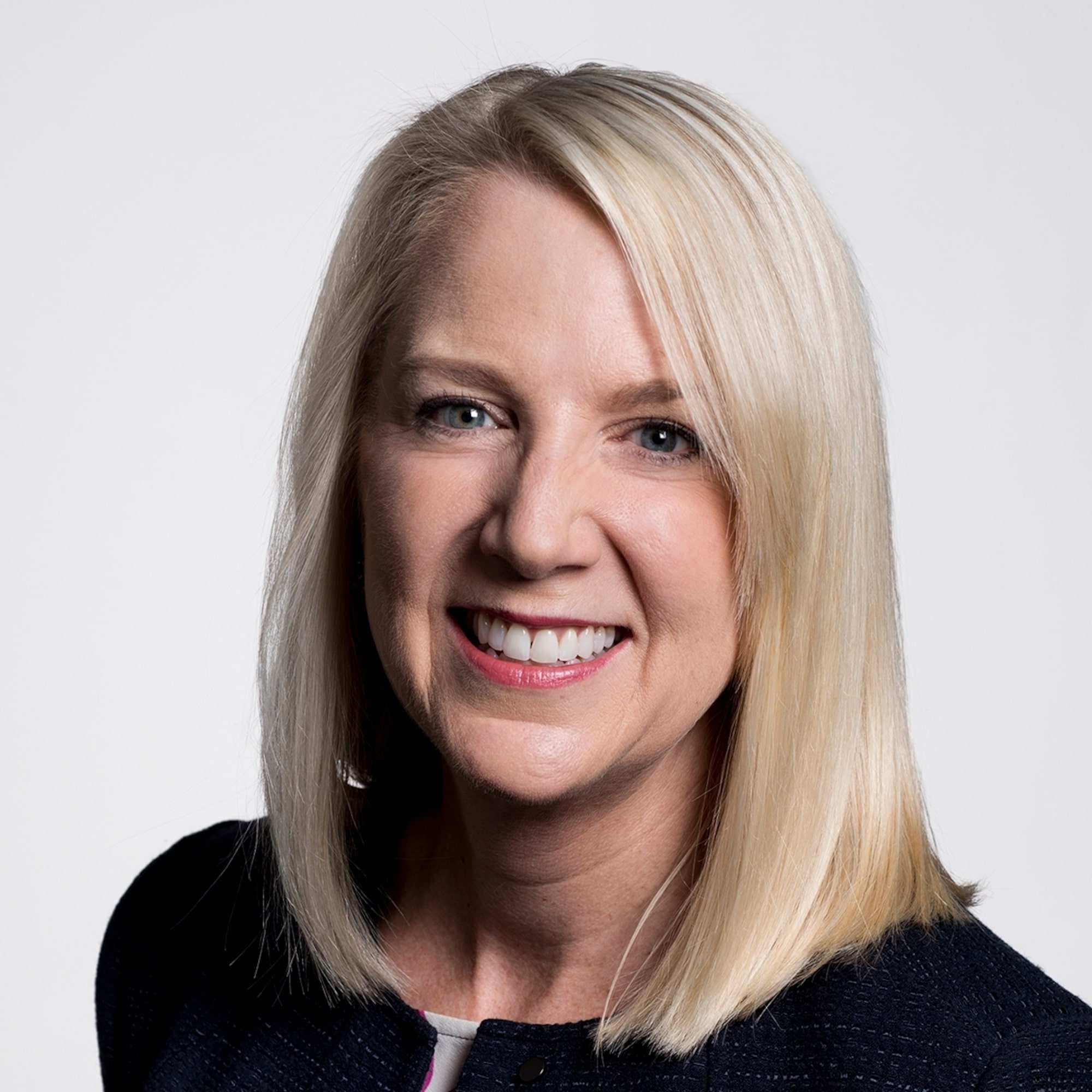


Subscribe to Morningstar’s The Long View from your mobile device: Apple Podcasts | Spotify
Our guest on the podcast today is Erin Moriarity. Erin is the originator of the Erin Talks Money channel on YouTube, where she explains personal finance and retirement planning concepts with easy-to-understand videos. Erin received her bachelor’s degree in business at Northern Michigan University and completed the Certified Financial Planner program at The Ohio State University. We loved hearing about Erin’s thought process on providing financial information to people who weren’t being well-served by traditional financial advice models. Erin also explained why people shouldn’t worry too much about Social Security benefits going away due to lack of funding, and the value of working with an advisor later in life, even if you’re a do-it-yourself investor.
Episode Highlights
- Early Financial Education
- Bringing Financial Advice to the Middle Class
- Rethinking Conventional Retirement Wisdom
- Psychology of Saving to Spending
- Planning for Long-Term-Care Costs
- Can You Count on Social Security?
- Annuities and Protecting Your Finances as You Age
- Lessons From Financial Mistakes
If you have a comment or a guest idea, please email us at TheLongView@Morningstar.com.
Transcript
Christine Benz: Hi, and welcome to The Long View. I’m Christine Benz, Director of Personal Finance and Retirement Planning for Morningstar.
Amy Arnott: And I’m Amy Arnott, portfolio strategist for Morningstar.
Benz: Our guest on the podcast today is Erin Moriarity. Erin is the originator of the Erin Talks Money channel on YouTube, where she explains personal finance and retirement planning concepts with easy-to-understand videos. Erin received her bachelor’s degree in business at Northern Michigan University and completed the certified financial planner program at The Ohio State University. So, Amy, I loved hearing about Erin’s thought process on providing financial information to people who weren’t being well-served by traditional financial advice models.
Arnott: Yeah. A couple of other highlights for me were her comments about Social Security and why people shouldn’t worry too much about benefits going away due to lack of funding, as well as really the value of working with an advisor later in life, even if you’re a do-it-yourself investor.
Benz: Let’s get into the conversation. Erin, welcome to The Long View.
Erin Moriarity: Thank you for having me.
Early Financial Education
Benz: Well, thanks for being here. We’ve wanted to talk for some time, so we’re excited that we finally have the opportunity. Wanted to start by getting a little bit of information on your background. What was the impetus for you going through the Certified Financial Planner program and getting interested in personal finance to begin with?
Moriarity: I got interested in personal finance at a very young age. My grandma was a big investor, and she would teach me all about how she was investing in mutual funds. And she didn’t really do individual stocks, but she used individual stocks as a teaching platform for me. My first stock I ever bought was Campbell’s Soup because if you ever saw their collecting cards, there were these cute little kids with these chubby little cheeks, so I loved them. My first stock, Campbell’s Soup CPB, on my eighth birthday, and she would teach me how to track the price changes. We were in Michigan, so we had the Detroit Free Press, and I would run out and get the paper every morning to see how the stock changed. My mom was also somewhat interested in investing, but I would say much less than my grandma. I grew up very interested in compounding, investing. Then I went to school, I got my degree in personal finance, and then I figured the next natural steps would be the CFP coursework, which I completed, but then I never did my apprenticeship hours, so I can’t use the distinction yet.
Benz: Yeah, I had the same experience with CFP, by the way.
Moriarity: Yeah.
Arnott: Yeah. You mentioned buying your first stock when you were eight years old, and we sometimes hear people talking about financial education and literacy and promoting the idea that investing in stocks is a good way to learn about investing. A lot of schools have The Stock Market Game that they use as a teaching tool.
Moriarity: Yes.
Arnott: What do you think about that? Do you think that type of game can be effective?
Moriarity: I thought it was great. When I was in ninth grade, my econ class—Mr. Hills—he had us do that game. We had a competition over the course of a semester to see who could grow their portfolio the most. It was kind of engaging. I remember thinking, “Oh, I’ve been investing since I was eight. I’m going to win this game.” I did not win this game because it turns out predicting the stock market is harder than you might imagine. But I really like the idea of people getting their children interested with individual stocks. Not that I think that’s the best investing approach, but if you can connect them to one company, if we use McDonald’s as an example, you can take them to McDonald’s and say, “You own a piece of this company,” and there’s somewhat of an attachment. If you start them with an index fund, it’s very hard to explain that concept at a really young age in a way that they could get attached to it, my belief as well.
Bringing Financial Advice to the Middle Class
Benz: What made you want to go into financial education, which is really your key thrust with your YouTube channel versus working with clients directly?
Moriarity: Honestly, my husband was active-duty military, so we would move around a lot, and having a regular office where I would meet with people just wasn’t feasible. And then covid hit, and I started my channel in 2020 because it seemed like now remote options were available, and I wasn’t really using my degree much. I was helping friends, I was helping family members, and I was doing things with some people, but I didn’t really have a client base to speak of, or not in a meaningful way.
And I thought, OK, if I can put quality information out there and if I can put it out for people who might have $300,000, $500,000, $600,000 invested, I might be able to hit a market that is kind of boxed out of financial advice because a lot of advisors have this threshold of investments or threshold of assets or net worth that they would be willing to work with. Usually it’s around a million. I really set out to target the middle-class America who is often left without quality advice or the ability to get that advice. I wanted to put it out there in a free way.
Arnott: Was the timing of starting the channel right at the beginning of the pandemic a coincidence, or was the pandemic a catalyst for you in some way?
Moriarity: I guess it’s kind of a couple of things. It was on one of our first moves when my husband was in the military, and I had just quit a job that I had liked, and I was in the process of starting another company, which was in the dental field. It wasn’t really something I was passionate about, but it was something I was good at and I could make money with, but I really liked finance. I got my degree in finance. I wanted to use that. I kind of felt like, OK, I’ll start YouTube, and I don’t know if it’ll ever work out, but at least I could do something I’m passionate about. It allows me to be somewhat creative because what I was doing on the dental side was very analytical, black and white, just numbers. I guess it’s kind of funny that I would say YouTube about finance is creative because, again, it’s just numbers, but I felt like I could be a little bit more creative in presentation. It allowed me to channel my passion. Maybe the pandemic was just a little bit of a coincidence, but I did think there was more room for online work at that time.
Benz: One thing I really like about your videos is that they do go into a lot of detail, specific examples, dollar amounts, and you put out a lot of these videos, it seems, almost daily.
Moriarity: Yeah, Monday through Friday.
Benz: OK. Do you have someone helping you in the background because it’s just a staggering amount of good-quality content?
Moriarity: Well, I’ll speak to the examples first. To me, I just feel like it’s very easy to visualize something if I have numbers to go on. If we just talk about a concept, I feel like we can’t really understand it in a tactical way. I really like putting numbers into things. Most of my videos will have examples with concrete numbers. And then I feel like once people get the concept with a number, they can apply it to their situation. As far as the volume of videos, I get a lot of comments from people that it is a lot, but to me it’s not really. I do a video Monday through Friday, but I think most people work Monday through Friday, and that’s what I do. I do one video a day. Sometimes I’ll take a day and write two scripts and then film two videos the next day.
I do the writing, I do the filming, and then I have a team of editors and a thumbnail designer, and then they do the other side. But I do have an assistant who does all the scheduling and things like that, but to me, I’m just working Monday through Friday.
Arnott: That’s great. When you think about your greatest hits on Erin Talks Money, what have been some of the most popular episodes, and why do you think that they have resonated with your audience?
Moriarity: I would say I have a couple of Social Security videos that have been incredibly popular. I feel like for those, there’s a couple reasons. Social Security is a very hot topic right now. Oddly, I think I have a great passion for Social Security. I believe in the program. I think we need it. I think it is very important for our retirees. I think I speak about it in a very realistic and clear way because I feel like a lot of people don’t necessarily understand the program. Other videos, I think, really pertain to the psychology of retirement. I think that resonates pretty well. Again, I’m pretty practical. I think I go against a lot of mainstream advice, thinking that people need to have $1, $2, $3 million portfolios because my goal is to make people feel comfortable maintaining their same lifestyle on a realistic portfolio. Those tend to resonate well.
Benz: I wanted to ask, Erin, how you decided to hone in on that age group demographic that you tend to focus on with your videos, which is sort of people in the runup to retirement, maybe post-age 50. Why that age group versus someone more in your age band, or maybe the FIRE people, financial independence, retire early? What about that age band appealed to you?
Moriarity: I’m going to give you two parts to this answer. I have always been obsessed with retirement. I remember being eighth, ninth, 10th grade, and my goal was to save as much as I could so I could retire at the age of 40 because when I was 12, 13, 14, 40 seemed so old. Now that I’m 38, I’m like, oh my goodness, I couldn’t even imagine. I was always obsessed with retirement, and I started reading about retirement around the age of 16 and trying to get prepared for it, which is, again, very strange for a 16-year-old, I think. And then once I started making videos, I didn’t make my first ones about retirement because I figured my audience might look like me, but then maybe five years younger. I thought I might be talking to females who were just a little bit behind me in age and maybe help them prepare for the future.
It turns out they were completely uninterested in my video. When I did a couple topics on retirement, those videos really took off. Maybe it was because I was just more interested in that, and maybe that came across that way. I would say the videos just kind of fell into that because that was what the audience resonated with. Once I found that, I’m like, OK, I’ll stay in my lane here.
Arnott: Do you have any advice for people, maybe financial advisors who might want to find engaging ways to educate clients or other people about being smarter with their money? You mentioned giving specific examples with numbers that people can follow along with and relate to, but do you have any other suggestions for communicating about money?
Moriarity: Yeah, a philosophy I follow, I think it was a quote that came from Albert Einstein, but don’t quote me on that because maybe it’s not, but it was something along the lines of: Make things as simple as possible, but not more simple than necessary. That’s kind of my guiding philosophy when I write scripts because we can use technical jargon, and we can throw up a graph that somebody may or may not understand, and that doesn’t help them. If they can’t understand it, if they can’t apply it to their life, it does no good. It’s very important that information is conveyed in a way that every person could understand. I say break it down as simply as possible. Explain it to a 10-year-old. If you can’t explain it to a 10-year-old, you don’t know the concept well enough. And then just remember that money carries a lot of emotion.
The people who are coming into your office, the people who are watching your video, trying to connect with you, they have a different money script based on how they grew up. I really approach money from a nonjudgmental way because you might have strong feelings about saving or spending or any and all of those categories. I think if you attach any good or bad feelings to those, you’re boxing people out of wanting to work with you.
Benz: I wanted to ask, obviously there is a whole lot of financial content, a lot of financial videos on YouTube and TikTok and places like that. How about for consumers of those materials? Do you have any advice for them when they’re trying to discern who can I trust here or who should I not trust? There’s a lot of deepfakes and other things like that. How about consumers attempting to navigate this space?
Moriarity: I would say look for people who cite resources. They’re citing studies, and they’re linking them in their description so you can kind of fact-check those or use the sniff test. If something sounds too good to be true or if it sounds like it’s epically awful, usually that’s not true and warrants further investigation because most things are not all good or all bad. I’m kind of wary of TikTok, Instagram, and shorts on YouTube because I think it’s really hard to convey anything meaningful in finance within a 60-second period. I do shorts on my channel, but they are cuts from my long-form videos, and I link the long-form videos there. Truly, I only do it because the YouTube algorithm doesn’t push your long-form videos as well if you don’t do shorts.
Rethinking Conventional Retirement Wisdom
Arnott: As we’ve touched on, a lot of your videos focus on retirement readiness and decisions related to that. Are there any areas of retirement planning where you think the conventional wisdom is off base?
Moriarity: I think we kind of push general rules a little bit too much. If we could speak to, say, the 4% rule. And I love Bill Bengen. I respect his research. I think he’s done so much for the financial community. He came out with the 4% rule in the ’90s when people were thinking, oh, you can draw 8% from your portfolio or 9% because the stock market was just booming. He came out with kind of this contrarian perspective, looking backward at the times where the market was not good. I think it’s a wonderful starting point, but I also think when we use these dogmatic rules, we’re kind of looking at things as black and white, or we’re assuming people don’t have the ability to adapt their behavior or change their behavior in response to the economy they’re in. And we all know that’s not true. We know people have the ability to change their budget or that their spending habits are going to change over time.
I can’t assume that how I’m spending today at 38 is going to be how I’m spending at 48 or 58 or 68. I think acknowledging that life changes, desires change, things like that, so our finances have to change. We have to be adaptable. Anything that’s saying this is always right, this is always wrong, this is a solid rule, I think that’s what deserves pushback.
Benz: Do you have a favorite sort of retirement spending policy that you like to talk to people about, like don’t use this fixed real withdrawal system that underpins the 4% guideline; use this other one instead? What’s the spending strategy that you think makes sense?
Moriarity: I’m going to speak in generalities because I don’t think anything applies to everyone. I tend to believe in the “retirement spending smile.” I think people are going to tend to spend more in their early retirement years. I think as you go on in retirement, it will decline because when you’re mid-70s or mid-80s, most people have a lesser desire to travel, and maybe their home is paid off. I think that’s a pattern we see. I do think for some people it ticks up at the end of life due to healthcare expenses, but not as much as it was in those early retirement years. I think that declining spending pattern is very common. I do think people should plan for episodic spending as well because you might have a water heater that needs to be replaced; you might have windows that need to be replaced.
Assuming that fixed spending is probably just not realistic. And I think guardrails are wonderful because there are going to be some years where the market is doing great and you should give yourself permission to spend more. If the market is down, cut back a little bit, and that can do wonders for making your portfolio last a longer period of time while also giving you the freedom to enjoy more of your money if you’re spending more during those up years. Flexibility is kind of my big thing.
Arnott: Obviously, we’ve had a pretty long-running bull market in the US. We’ve had a few downturns like early 2020 and the full year in 2022, but they’ve been pretty short-lived. Do you think that the average investor is maybe a little too optimistic about stocks’ ability to generate 10% plus annualized gains kind of indefinitely? And if you do, how would you encourage people to tone down their expectations so they’re more realistic?
Moriarity: I would say it’s not just the average investor. I would say it’s most investors. I think we are so linked to what is happening now. We have a recency bias. If the market is doing great now, we assume it’s going to be great next year. If the market is doing poorly now, we think it’s going to do poorly next year. I think what really helps is looking at the data, and I know a lot of times the average investor may not want to do that, but bear markets do happen. Most of them are fairly short-lived, I would say, less than 24 months. And if you’re investing for 45 years or so, that’s a short-lived experience. But in the middle of those 24 months, it can feel really awful. If you have a diversified portfolio, it doesn’t hit as hard because usually bonds and stocks move in somewhat opposite directions.
In a severe downturn, they might start to move in the same direction, but I do think you can lessen the blow with diversity. I think if you have a long time horizon, it’s not something you have to worry about, but I think it’s very easy to say what the market is doing today is what it’s going to do next month, next year for the typical investor, although we may intellectually know it’s not true, but emotionally it feels like it’s true.
Psychology of Saving to Spending
Benz: You’ve talked about the psychology of spending, how it’s really difficult to turn on spending after a lifetime of being a saver. Do you have any kind of best practices that you talk to people about in terms of getting warmed up to spend or giving themselves a little bit more permission to spend and really enjoy those early years of retirement, especially when their health is good, and they might have pent-up desires to travel or do things like that? How would you encourage them to get more comfortable with spending?
Moriarity: My favorite thing is so simple. It’s just going to your brokerage house and turning on an automatic deposit into your checking account. It shows up just like a paycheck. It’s very similar to what happened during your working years. We know how to budget around it. We know how to spend around a paycheck, and I think automation is our friend. During our saving and accumulation years, automation is what gets you investing, and it’s what grows your wealth over time. Once we get to the decumulation, I think automation can help you spend. If that monthly money is coming in, it just shows up in your account. It doesn’t feel like you’re pulling out of your investments because it’s just automatic. I think that’s probably the best thing you can do. I talked to so many retirees who are just thinking, “I can’t touch this portfolio.” I talked with one of my former high school teachers about two weeks ago.
He and his wife have pensions, they have Social Security, and they’re turning 73 this year, and they’re like, “We have to start taking our required minimum distributions, so we’re going to start touching our investments.” But to me, how crazy is that? You’re almost a decade into retirement, and you’ve never touched your investments. Go take another trip, help your kids out while you’re alive, and watch your legacy. I don’t know. I just think enjoy your money. It’s just not meant to be accumulated. One day we’re going to die, and you can’t take it with you.
Planning for Long-Term Care Costs
Arnott: One of the reasons that people might be reluctant to spend is they’re concerned about the potential need for long-term care and the costs associated with that. How do you think people can mitigate that risk factor or think about planning for long-term care without being overly conservative?
Moriarity: This one’s a hard one because I think the media actively gives a distorted picture. There’s one of the stats that goes around constantly that 70% of Americans will need long-term care supports or services. And what gets lost in that stat is the supports or services part, because we’re not saying that 70% of Americans are going to need to be in a long-term-care facility or a nursing facility. We’re saying that they might need help after a surgery. They might need someone to help pick up their groceries or clean their home or help in some way with a daily activity, but it’s not necessarily a stay in a long-term-care facility. The number of people who truly end up in a long-term-care facility is much smaller than that. I think it’s in the neighborhood of maybe 10%. Don’t quote me on that number, but it’s much, much smaller than the 70%.
For most people who end up in a long-term care facility, the median stay is around three years. In a nursing care facility, it’s around one year. Now, it’s not to say longer stays don’t happen, but I don’t think how the media presents it, I don’t think it’s conveyed in an accurate way. And if we look at a nursing care facility, if you end up in a Medicaid-approved nursing facility, if you go there when you’re in a private-pay situation and you totally deplete your assets, Medicaid will kick on and cover it. You don’t have to move to a Medicaid facility, truly, so you could stay where you are. I do think there are more options than people realize. If you’re looking at your portfolio in totality, if you are a homeowner, that would include the equity in your home. You don’t have to look at your portfolio and say, “This fully has to carry long-term care if I end up there.” You could always tap home equity if that was an option that’s available to you.
I think we have more resources than we give ourselves credit for at our disposal, and I don’t think it’s as big of a risk as media makes it out to be. The vast majority of people who retire will not end up in a long-term-care facility or a nursing care facility or a memory care facility. Some people will, but the vast majority won’t.
Benz: One dimension of the long-term-care problem, it seems, is that a lot of care is getting provided by these unpaid family caregivers, often adult daughters. And I think that’s a dimension that, yes, maybe there’s no cost there, but there is a cost to that person providing the care. Can you talk about that? Because I do think that that is, if you’re to ask some older adults, “Do you want your daughter to quit her job so that she can help you?” Most people would say, “No, I don’t.” Can you talk about that dimension of this issue?
Moriarity: Yeah. I mean, there’s a huge cost if you have to quit your job; that’s lost earnings, that’s lost ability to save. If a family member is doing this, there is absolutely a cost, even though you’re not seeing it come out of the checkbook. I think this really comes down to family preferences. If people go into retirement with a spouse, a lot of times it is the spouse who will end up caring for the spouse in declining health, and often that keeps that spouse out of a long-term-care facility. If we speak about adult children, I don’t know. I think it’s a hard situation to navigate because I don’t think people should be in a situation where they feel like they have to. Some family dynamics want to. I have a mom who is 75 years old. She has mobility issues; otherwise, she’s quite healthy, but I also think she lives a life where she’s fairly isolated, and I’ve invited her to move in with me.
My brother’s invited her to move in with him, and she says she’s retiring this year, although I don’t believe her because she’s been saying that for 10 years, but I would be happy to have her here. And my family is very close, but she’s also capable of taking care of herself. I think that’s a different dynamic. I wouldn’t have to quit my job. I do think it’s an incredible burden to ask your child to quit their job to take care of you. Whether or not people want to do that, that kind of depends on their heritage, their family situation, things like that. And maybe you want to find a way to compensate them. If you have an estate, maybe you give them a greater share when you pass on or something like that. If you can compensate, you should, because there is a cost.
Arnott: It seems like open communication is important too, so that you don’t have expectations that are sort of not clearly stated or understood by both parties.
Moriarity: Yes. I would say I was very lucky that I grew up in a family where money was just talked about. I mean, we would talk about estates and inheritance, and we still do at the dinner table. And I know my sister-in-law sometimes looks at us, and she’s like, “You guys are not normal because we will just talk about, Hey, when you die, who is this going to?” If you can have that conversation openly, without emotion, without judgment, I think that’s helpful. One quick, cute story I could give: My brother was in a financial position that was much better than mine for many years, and he looked at me, and he’s like, “Oh, when Dad passes away, you can have everything he has.” And then he was looking at buying a lake house, and he’s like, “Oh, if this lake house goes through, I’m going to need half of Dad’s stuff.” So, those are the kind of conversations we’ll have.
Can You Count on Social Security?
Arnott: You also write a lot about Social Security planning and maximizing Social Security. Do you have any favorite tools that people can use to figure out when they should be starting their benefits?
Moriarity: I don’t know if I have any tools to recommend. It’s probably a situation where it’s really good to talk with an advisor. I have a general expression that I use that is: If you can afford to delay, I think it’s a better retirement; you can increase your income floor, but not everyone has the resources to retire. Maybe you’re in a family that has a lower life expectancy, maybe you have health issues, maybe you’re forced out of the workforce earlier than you planned. There’s a lot of situations where it can make sense to claim early, but my general sense is, if you can afford to delay—whether that’s working longer or you have the assets to cover that gap—it makes a lot of sense because then it takes pressure off your portfolio for the remainder of your life. If people are married, I generally see that staggered claiming leads to higher lifetime benefits and a little bit more security, less pressure off the portfolio. Again, individual situations.
Benz: Erin, you mentioned that you like to push back on concerns about the future of Social Security. There are certainly a lot of doomsayers out there. Can you talk about why you think that people who are, say, over 50 should feel some comfort that their promised benefits will be there for them when they go to claim?
Moriarity: I mean, point blank, people over 50 vote, and those in Congress know it. If they upset that population, it’s not going to go well for them. They’re going to lose their job. I think Congress has a huge motivation to act. I do think Social Security will experience reform and will see changes. I don’t necessarily know what those changes would be, whether it’s reducing cost-of-living adjustments going forward, increasing the wage cap. I mean, there might be the potential that they try to borrow in order to fund the trust fund, which we’ve never done before. They would have to rewrite the laws, but there’s going to be a way in which they keep Social Security going forward. And I think people over 50 don’t have to worry about changes to their benefits. I think people in my generation, 30s, I think benefits will change, but benefits will be there.
The narrative is often that Social Security is going bankrupt, and that’s not true. There are current workers today who are paying into the system, and that pays out to the current retirees today. It would still be able to pay out what’s coming in, which currently is about 77% of what the payouts would be, but I don’t think benefits would be cut for near-term or current retirees.
Arnott: If you’re a younger person trying to plan for retirement, would you look at your future Social Security benefits and maybe give those a haircut to account for potential reductions in future benefits, or how would you handle those potential changes?
Moriarity: Generally, if I’m talking to somebody who’s in their 20s, 30s, or even their early 40s, I don’t even want them considering Social Security at that point. Not that I don’t think it’s going to be there; I think it will be, but I want you saving and investing in a way where you’re not relying on it because I’d rather you get to retirement and say, oh, I have more than enough, or I can potentially retire early, or I can take extra vacations that I didn’t think I was going to. It’s a better position to get to retirement and have more money rather than less. I think once you get to your late 40s and 50s, and especially in your 60s, I mean, you’re already at Social Security age—I would look at what those benefits are. I’d build my budget, figure out what my gap is between what Social Security is and how much I want to spend. But prior to 45 or something, save and invest as if you’re kind of blind to what those Social Security benefits would be.
Benz: You often talk about Social Security pitfalls or mistakes that people can make. What are the big ones that people should be aware of?
Moriarity: I think one of the biggest is one we already touched on: Thinking that the trust fund is going to be totally depleted, meaning that there wouldn’t be benefits for you or that your benefits would be cut. I hear so many people right now saying, “Claim as early as you can so you can get something while it’s there.” And I just think that that’s a fearful mentality. The more we operate out of fear, the worse decisions we tend to make. I think if I look back over the course of my life, I have not made great decisions if I made them out of fear. I would bring it back to what my budget looks like, what my portfolio looks like, and really, how much security do I need? There’s great value in having a reliable income stream that is inflation-adjusted for the remainder of your life.
Build around what you truly need in your plan, in your budget, and look at what you might need for the next couple of decades, and truly look at what size portfolio you have and what kind of gap you can fill, and make your decision based on that. If you’re married, factor in that one of you is going to pass away first. It makes a lot of sense in many cases to have the higher-earning spouse delay because whoever passes away, they get to keep the higher earner’s benefit, and that can provide a lot of security to the surviving spouse.
Annuities and Protecting Your Finances as You Age
Arnott: What’s your take on annuities as a component of retirement planning? There’s a lot of strong opinions on both sides. There are retirement experts and academics who say annuities should be much more broadly used, but other people are very anti-annuity. Do you have a take on that? What type of annuity do you think works best for most retirees?
Moriarity: A lot of times I’ll say that annuities are like a four-letter word in retirement because, my gosh, if you talk about an annuity, oh, do you get pushback? I’m kind of neutral on them. I would say when I started my financial career, I was pretty antiannuity because I’m a Boglehead and I’m an index investor and I want to avoid all fees at all possible costs. As I’ve gotten older and as I do retirement research and talk to a lot of retirees, I think there is definitely a place for annuities. I don’t think they’re right for everyone. I think they’re a tool that can be implemented, especially for those retirees who are scared to spend. If you’re truly scared to spend from your portfolio, I think it’s a great way to mimic an income. If you’re willing to annuitize a portion of your portfolio—maybe it’s 25%, 30%, certainly not all of it—I think it can make a lot of sense if it provides this sense of safety.
Maybe at that point you’re willing to invest the remainder of your portfolio in a slightly more aggressive fashion so you could capture higher returns or potentially capture higher returns over the course of your retirement. You’d still have a legacy to leave if that was something you’re interested in. If I’m talking about annuities that I like, I would probably say immediate annuities or deferred-income annuities. They have lesser fees and lesser complexity. I think the more complex the product, generally the more fees associated with it. I just think if you can’t explain it clearly, if you don’t know exactly where the fees are, I don’t trust the product. It has to be able to be explained simply. I think those are the two most transparent annuities.
Benz: It seems like one of the main things annuities have going for them is just, as you said, that simple paycheck that gets deposited in my account. You have talked about how your dad fell prey to a Ponzi scheme. He experienced dementia later in life. Can you talk about what you took away from that experience?
Moriarity: My dad has made every financial mistake in the book, so I learned a lot from him over the years. He used to have this saying that you can always make more money, so it didn’t really matter how you invested it or how you spent it. He also had the philosophy that he wanted to die a million dollars in debt. He didn’t care if he took on debt either. I think from him, I learned a great work ethic. I learned to earn money. Oh man, I don’t know. I think from him I learned that maybe it’s OK to sometimes call in a professional to manage your finances. If he had had an advisor, he wouldn’t have gone through what he did. He wouldn’t have invested in a Ponzi scheme, and he wouldn’t have invested in all these IPOs. We wouldn’t have had these huge conversions to gold.
We wouldn’t have had short sales on homes. Just every mistake in the book, I can’t even tell you, but he was probably somebody who needed a professional in his corner because he was quite impulsive as his memory started declining. He was married at the time. It was a second marriage. He got taken advantage of. It was just not a good situation. I mean, in total, my brother and I figured out he probably lost $1.5 million on crummy investments throughout the course of his life.
Arnott: That’s a big number for sure. If people are thinking about cognitive decline, are there best practices that older adults and their advisors can use to protect their finances as they get older?
Moriarity: I think this one’s really hard. There were signs that my dad had memory issues that I didn’t see in the moment, but I recognize them in hindsight. My last lunch that I had with him before he was admitted to a memory care facility, it was probably seven or eight months prior to that happening. I remember at the start of lunch, he asked me, “Hey, how are things going?” Because I didn’t live in the area he lived in, and I didn’t visit him that often. We had that conversation of what was going on in my life and what was new. Then, we got about 15 minutes in the conversation, and he’s like, “Oh, hey, how’s it going?” And I just thought it was weird that he brought it up again, and I didn’t really catch it. I think it’s subtle, and I think you have to really pay attention and be around this person on a more regular basis.
If someone’s getting older, I would say it’s a really good idea to loop in somebody who knows them and has their best interests. Whether that is an adult child, whether that’s a spouse, have them come to meetings with a financial advisor. I’m a huge fan of the DIY approach, keeping costs low. I love that during the investing years because I want people to build as much wealth as they can. But I also have acknowledged that when you get to the later stages of life, most of us will experience some level of cognitive decline. I mean, certainly most people are not going to get dementia or Alzheimer’s, but some level of decline. We’re just not as sharp as we were in our 40s and 50s. I think it’s a good idea to loop someone in who can kind of be this neutral party who can say, “Well, maybe this isn’t the great idea. Maybe we should reevaluate this.”
Benz: Yeah. I like that you often talk about the value of financial advice, especially as people move into their retirement years. Do you have any sort of talking points in terms of finding someone who’s trustworthy? What’s on your short list of criteria that people should have when seeking financial advice?
Moriarity: I always start with looking for someone who’s NAPA certified. I think I notice a big distinction between advisors who are and aren’t. I really like someone who is personable and takes—you should have a handful of meetings with this person. It shouldn’t be a one-off. They should know your goals. They should know your budget. They should know your story of why you’re retiring, how you got where you got, what kind of legacy you want to leave, what your goals are in retirement. I just think it’s so complex that you can’t handle it in one meeting. I think you also want somebody who seems to care about you and care about your money in the same way you do. Obviously no one’s going to care about your money more than you, but you should not be seen as a walking paycheck for them. Sometimes you’ll get that vibe from an investor, and I wouldn’t stick with them. You want somebody who sees you as a person and wants to protect you as a person. I guess I would also add someone who’s not trying to sell you commission-based products because I think there’s a big disincentive there.
Arnott: Right. You recently took a position as lead financial educator at Root Financial. How did you decide to align with Root, and how will that affect the work you do at Erin Talks Money, if at all?
Moriarity: It doesn’t really affect it. I’ve tried to be very clear with my audience about that. Again, I am a DIY investor. I want people to understand their money. I want them to take the reins on their money, and if they can, throughout the entirety of their life, manage their finances on their own, great. I love that approach, and I hope that I can do that for my entire life. I can’t guarantee I will be in my 70s or 80s, but that’s my belief that I would like to. I think there are many people who are very skilled. They have great financial literacy, and they’re capable of that, but there are many people who want the guidance of an investor. There are many people who don’t want to manage the day-to-day activities of their money, handle Roth conversions and Medicaid decisions, and minimizing their taxes in retirement, and not everyone has the same level of financial literacy.
If you get an advisor who can save you tens of thousands of dollars in taxes or in whatever method they’re planning, if they can help you sell a business, if they can help you reduce your income so that you are able to build up a larger retirement, reduce your taxable income, I should say, I think they can be well worth their weight in gold. But Erin Talks Money will not change. I’m focused on education and helping people with their financial literacy. But I would also say, on a daily basis, I have people reaching out to me through email, through LinkedIn, through the YouTube channel, and they are looking for an advisor. I would feel so bad when people would email me and say, “Hey, will you manage my money?” Or, “Can you point me to an advisor?” And I didn’t have anyone to point them to.
I already work 50 hours a week. I’m not taking on another job. I have a toddler, so I’m busy. I vetted Root for probably eight to nine months before I agreed to the position. I talked to clients there. I talked to James, who’s the owner. I talk to their lead team. I talk to advisors. I talk to everyone imaginable, and this is a good company, and I feel good about recommending people there. For the people who are looking for an advisor, it’s a wonderful place to go. For the people who want to DIY it, keep DIYing it.
Lessons From Financial Mistakes
Benz: Amy and I have both written about our own money foibles or the weird things that we do with our own money. Do you have anything that you do that you would put in that category of “do as I say, not as I do,” that here’s a decision that I’m making that doesn’t necessarily dovetail with the conventional wisdom about how to manage money?
Moriarity: Yeah, I would say a couple of them. Some I’ve been shielded from, but I tried to make the mistakes. In my 20s, I was kind of a little bit of a martyr. I would just save every single penny possible. Again, my goal was fire. I also had a very driven scarcity mindset. I became quite ill when I was 18 years old. I had a brain tumor. I was paralyzed on the right side of my body, and I lost my ability to work, my ability to earn an income, and I was so fearful that it would happen again or that there would be another health crisis. I felt like I had to save what I could when I could, and I would just work. I would work two or three jobs, and I just saved every penny of income. I can look back on that and say I missed a lot of years of friendships and activities and being able to enjoy life a little bit more because I was so focused on saving, and I was doing it out of fear.
I look at people who enjoyed their 20s a little bit more, and I’m a little bit envious of that. As I got into my 30s, I kind of had to learn to spend because I had never really done it before, and it was kind of nice going from the generic ketchup to Heinz Ketchup or taking a vacation. I was like, “Oh, this is what life is supposed to feel like.” I’m still a budget queen. A lot of times I say I’m a baller on a budget, but I would say spend a little bit more because you shouldn’t have any throwaway years. All years of your life should be valuable. This year, I almost made a big financial mistake. I was aware I was doing it, but it didn’t work out. I bought a home last year, and I love my home. It’s OK. It’s great, but I found another home across town that was on this cul-de-sac, and it was surrounded with young moms and dads and young kids, and there was a park right there, and it was so great.
I’m like, “Oh, I want my kid to grow up here.” I almost bought a new house within nine months of buying another, and I kind of looked at it as, “Hey, if I do this,” my dad’s words, “I can just make more money, and I know I would lose money on the deal, but it doesn’t matter because of quality of life.” Ultimately, that deal didn’t work out, but I would’ve happily taken the stupid tax on that one and, long term, I thought it would’ve been a better quality of life. Sometimes you have to be willing to go after what’s more important in life decisions than just the financial decisions because you have to find the greatest happiness in life.
Arnott: One question we like to put to our guests is where they go for financial insights, whether it’s a podcast, a columnist, a blogger, or an author. Who would you point to as some of your favorites?
Moriarity: I guess I have some names. I like Michael Kitces’ research. I like Wade Pfau. I like Andrew Biggs. I think he’s very even-keeled and levelheaded. I like Jason Fichtner. Those are both former deputy commissioners of Social Security. David Blanchett, I know he’s part of the Morningstar team, or I think he is; is he?
Benz: He was. No longer; he’s at Prudential now.
Moriarity: Yeah. OK.
Benz: Yeah.
Moriarity: OK. Well, I think he does wonderful research. Christine Benz, here on this podcast. I’ve followed your work forever, and I also just read every single book that comes out on finance and retirement. If there’s a new release this month, I’ve probably read it. Oddly enough, being that my platform is YouTube, I don’t really watch financial content that much. I mean, I might catch one video a week or one video every two weeks, but I spend so much time writing my own scripts and filming them that I don’t want to be on YouTube longer than that. I would say it’s books and it’s blogs and it’s podcasts. A lot of research articles too.
Benz: Well, Erin, this has been such a treat to chat with you today. Congratulations on your success. Your YouTube channel is a juggernaut. It’s amazing. Thank you so much for being here.
Moriarity: Thank you for having me. It’s really a pleasure and an honor.
Arnott: Thanks so much, Erin. We really enjoyed talking with you.
Benz: Thank you for joining us on The Long View. If you could, please take a moment to subscribe to and rate the podcast on Apple, Spotify, or wherever you get your podcasts. You can follow me on social media at Christine Benz on LinkedIn or at @christine_benz on X.
Arnott: And at Amy Arnott on LinkedIn.
Benz: George Castady is our engineer for the podcast. Jessica Bebel produces the show notes each week, and Jennifer Gierat copy edits our transcripts. Finally, we’d love to get your feedback. If you have a comment or a guest idea, please email us at thelongview@morningstar.com. Until next time, thanks for joining us.
The author or authors do not own shares in any securities mentioned in this article. Find out about Morningstar’s editorial policies.

 United States