
Nvidia Has Been the Market’s Golden Goose. Now It’s in Crisis
As AI drove a massive earnings boom at Nvidia, the stock led the bull market until this year.

Key Takeaways
- Nvidia’s dominance in the AI chip market helped make it the most valuable company in the world and a driving force behind the stock market’s gains since 2023.
- Shares became a drag on the market this year, dinged first by investor worries about AI spending, and then this week by revelations that led CEO Jensen Huang to step down.
- Huang’s resignation injects fresh uncertainty into the data center buildout and AI stock rally. Nvidia sits at the center of both.
Nvidia was once the stock market’s workhorse. These days, it’s a weakness.
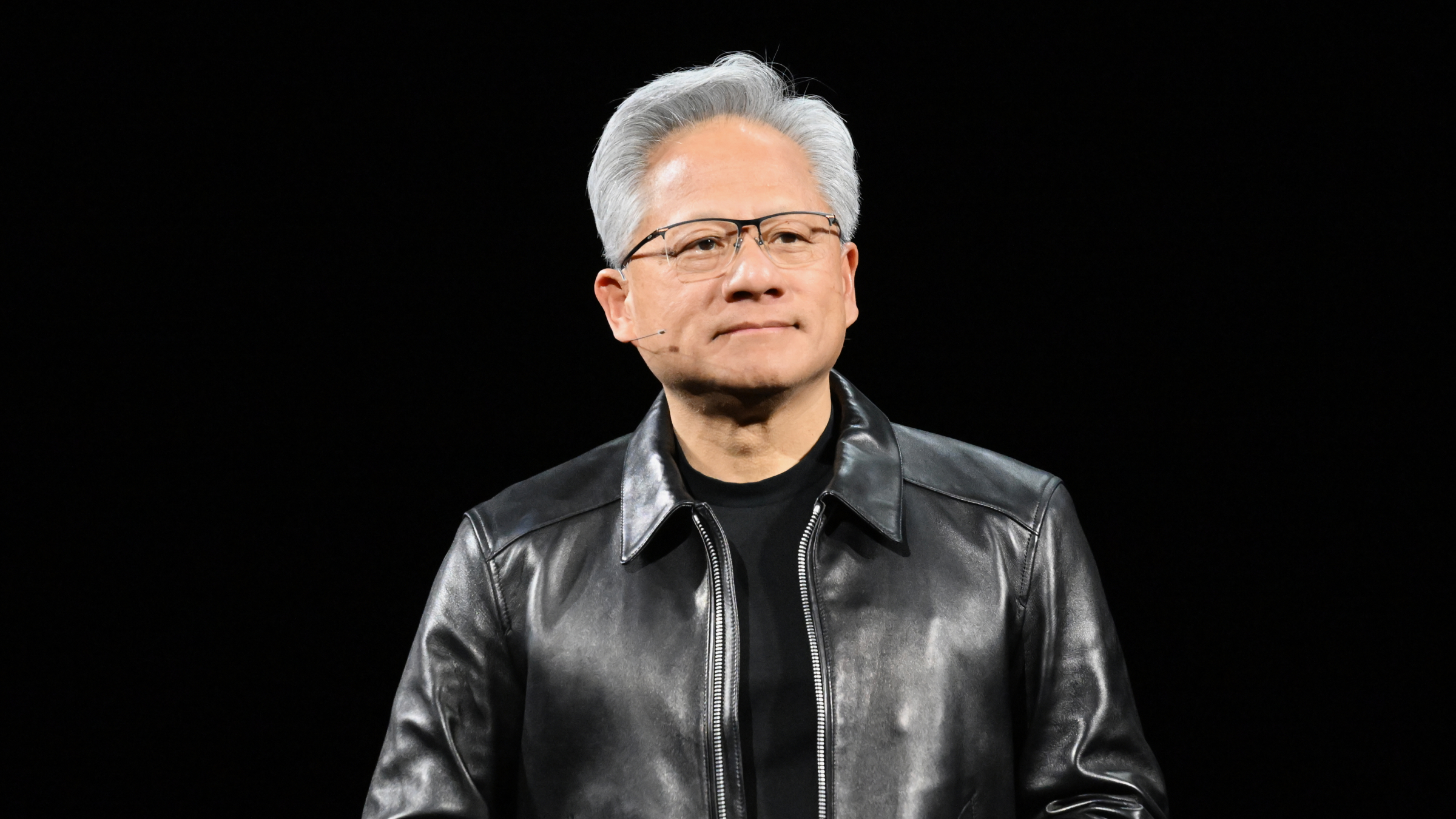
In a stunning turn of events, CEO Jensen Huang, perhaps the AI boom’s most visible cheerleader, resigned Thursday after revelations about a pair of extramarital affairs. Nvidia NVDA stock, which had already struggled in 2026, has lost 14% in the past week and is down roughly 12% for the year.
Meanwhile, thanks to years of huge returns, Nvidia has become one of the most widely held stocks in the market. The Vanguard Morningstar Total Stock Market ETF (the world’s largest stock fund) has a more than 7% weight in Nvidia, and State Street SPDR S&P 500 ETF Trust SPY holds over 6%.
Not only does Huang’s departure from Nvidia create considerable uncertainty about the outlook for the company as a central player in the AI buildout, but it also adds a fresh unknown to a stock market already grappling with a potential data center slowdown in the wake of the Democratic Party’s sweep in the US midterm elections, rising borrowing costs for AI companies, and the impending Anthropic IPO, which is seen as a key test of the market’s appetite for AI stocks.
Nvidia’s Blistering Rise
Nvidia has been the poster child for the AI boom since May 2023, when it reported record quarterly data center sales and issued revenue guidance 50% above the consensus. Those results stunned Wall Street and showed investors that Nvidia had a large AI opportunity. But even then, few grasped the future size of the data center market.
OpenAI’s ChatGPT became a viral sensation upon its release in late 2022, casting a spotlight on generative AI and setting off a global AI arms race. Tech giants Microsoft MSFT, Alphabet GOOG/GOOGL, Amazon AMZN, and Meta Platforms META—now known as hyperscalers, on account of their massive capital expenditures—began buying huge quantities of Nvidia’s chips to train and run AI models. The hyperscalers’ capital expenditures, much of which are spent on chips and other AI-enabling equipment, ballooned from $150 billion in 2023 to an estimated $900 billion this year.
Their spending fueled Nvidia’s explosive growth. Nvidia’s revenue increased $60 million, or 0.2%, in the fiscal year ended January 2023. The next year, sales increased 126%, and they doubled the following year. Nvidia’s revenue is expected to top $409 billion in its current fiscal year, a 1,400% increase in four years.
Nvidia Shares Skyrocket
As Nvidia’s earnings repeatedly blew Wall Street estimates out of the water, investors bid up the company’s stock, fueling a relentless rally. Shares tripled in value in 2023, then more than doubled in 2024.
Nvidia shares more than tripled in value in 2023, when it became only the fifth US company worth more than $1 trillion. The stock more than doubled in value in 2024, when Nvidia became the world’s most valuable company with a market capitalization of more than $3 trillion. It went on to become the world’s first $4 trillion company in July 2025, and topped $5 trillion that October.
Despite the stock’s poor performance this year, Nvidia shares were still up about 1,100% since the end of 2022 at Wednesday’s close, compared with the Morningstar US Total Market Index’s 106% return.
How Nvidia’s Stock Helped Fuel the Bull Market
Nvidia’s gains fueled the stock market’s ascent for much of the past four years. Between its first blowout earnings report of the AI boom in May 2023 and the end of 2025, Nvidia alone contributed more than 9 percentage points to the US Total Market Index’s 69% return. Nvidia accounted for more than 13% of the index, which comprises nearly 3,500 stocks. The next-largest contributor, Apple AAPL, added fewer than 4 percentage points.
Nvidia accounted for an even larger share of the gains of smaller indexes. It contributed more than 10 percentage points to the Morningstar US Large Cap Index’s 73% return between May 2023 and the end of 2025.
Nvidia Stock Has Lost Some Luster
This year has been a very different story. Shares tread water throughout the first quarter before riding a wave of AI exuberance to a record high in May. They effectively traded sideways until notching a fresh record in early October. Then, mounting concerns about the return on hyperscalers’ AI investments took the wind out of the sails. At Wednesday’s close, shares were 27% off their October highs.
Nvidia has flipped from stock market buoy to burden. It’s been a larger drag on the market than any other stock this year, subtracting 0.4 percentage points from the Total Market Index’s return.
Despite uncertainty about Nvidia’s future leadership, investors bought the dip on Thursday. Shares tumbled as much as 14% in pre-market trading, but were down just 5% in the late afternoon.
“Deception may have occurred at the CEO level, but it hasn’t crept into Nvidia’s financial forecasts amid the artificial intelligence boom,” says Morningstar senior equity analyst Brian Colello. “We still forecast high near-term and medium-term demand for Nvidia’s gear, given insatiable AI computing growth.”
The author or authors do not own shares in any securities mentioned in this article. Find out about Morningstar’s editorial policies.

 United States