
Home Depot Earnings Recap: Maintaining Fair Value on Stable Profits Despite Housing Weakness
Home Depot elevated finance chief and co-interim CEO Richard McPhail to the top job.

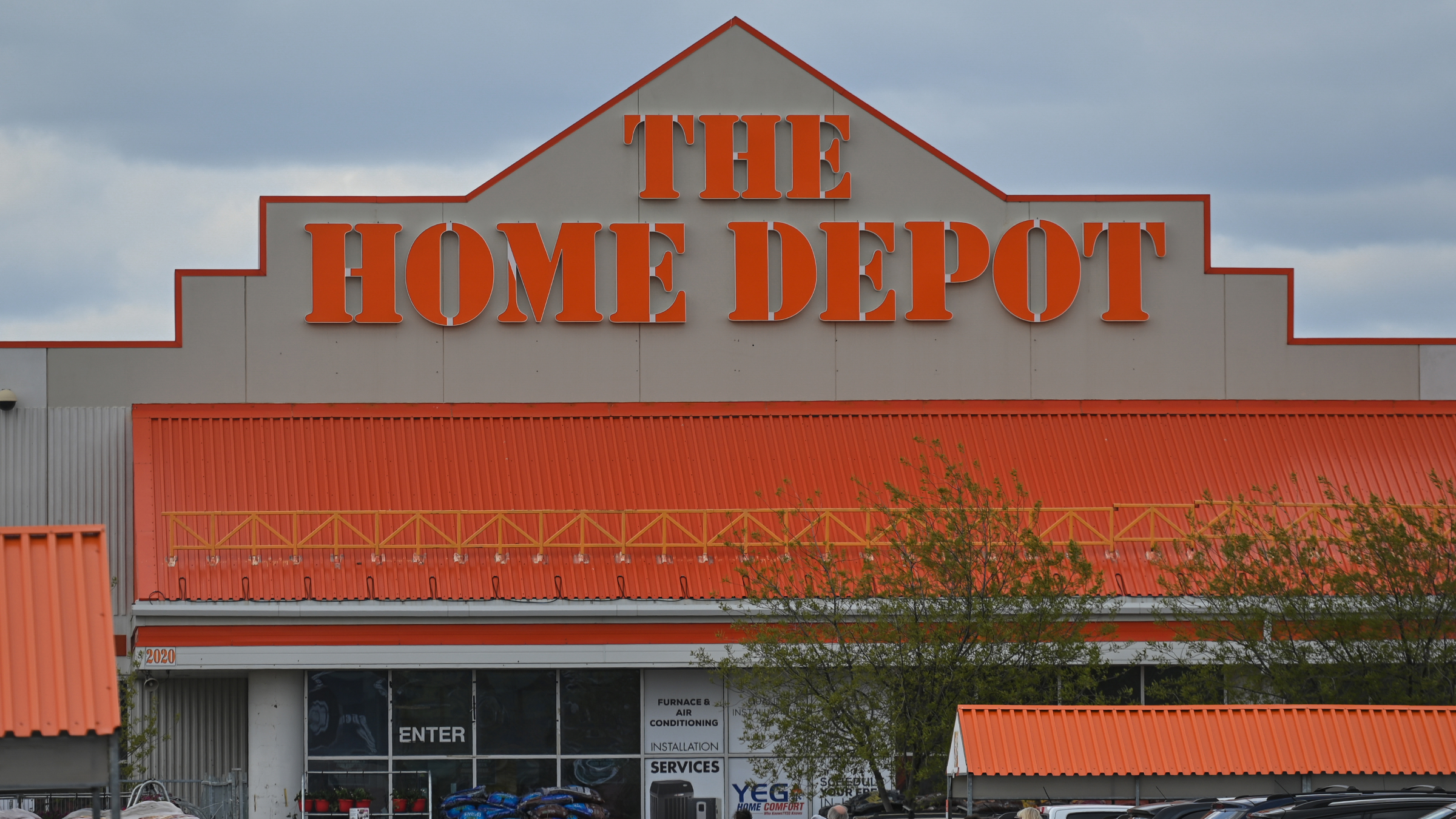
Home Depot released its third-quarter earnings report on Nov. 17. Here’s Morningstar’s take on Home Depot’s earnings and stock.
Key Morningstar Metrics for Home Depot
- Fair Value Estimate: $325.00
- Morningstar Rating: ★★★
- Morningstar Economic Moat Rating: Wide
- Morningstar Uncertainty Rating: Medium
What We Thought of Home Depot’s Q3 Earnings
Home Depot’s third-quarter sales grew 4.9%, aided by 2.2% same-store sales growth, new stores, and acquisitions. The adjusted operating margin of 13% (down 30 basis points) was hurt by higher costs and mix. Co-interim CEO Richard McPhail was formally appointed to the leadership role. Shares are down about 2% since earnings.
Why it matters: Investments in the customer experience (merchandising, delivery) have allowed Home Depot to take share. For reference, building materials and garden equipment and supplies dealers’ retail sales averaged 4.8% in the last quarter, implying the professional category was key in capturing gains.
- The concern around further pro acquisitions is that such firms can have a negative mix impact on gross margin despite being accretive to adjusted operating margin. We expect additional tuck-in acquisitions as indicated by the $480 million in purchases during the third quarter.
- We think scale gains will offset gross margin pressure, as Home Depot uses stores to lift delivery capabilities and mobilizes more cross-selling opportunities, driving a better cost structure, even with low-single-digit comps (we forecast a 130-basis-point selling, general, and administrative lift in our outlook over time).
The bottom line: We hold our $325 per share fair value estimate for wide-moat Home Depot. We think its full opportunity set has been waylaid by unfavorable macro trends, including poor affordability and consumer uncertainty, that are likely to persist into 2027.
- This has resulted in a housing market that has flatlined rather than declined, evidenced by average existing home sales growth of 1% and a 1% price decline year to date. We don’t see further degradation of profits and hold our terminal operating margin forecast at 14.7%.
- Former CFO Richard McPhail steps into the CEO role this week after Ted Decker’s return from leave, with Jordan Broggi (EVP Interconnected Retail) moving into the finance role. We hold our Exemplary Morningstar Capital Allocation Rating, as we see no plan to alter its long-term strategy.
The following are excerpts from Morningstar’s company report on Home Depot.
Fair Value Estimate for Home Depot
With its 3-star rating, we believe Home Depot’s stock is fairly valued compared with our long-term fair value estimate of $325 per share.
We project 4.6% average sales growth over the next decade, as housing market stabilization boosts DIY spending back toward historical levels, supported by offerings such as buy online/pick up in store, better merchandising, and improved delivery options, which will drive market share gains. Operating margins and ROICs could improve as the firm focuses on continued supply chain efficiency and on better penetrating the pro business with market delivery centers that leverage its delivery capabilities. Additionally, we believe Home Depot still has opportunities to expand its business.
Read more about Home Depot’s fair value estimate.
Economic Moat Rating
Home Depot earns a wide moat, thanks to its brand strength and cost advantage as the world’s largest home improvement retailer. Its scale has helped it outperform the industry: over the past decade, Home Depot’s annual sales growth exceeded the sector’s 4.3% average by 230 basis points (US Census Bureau), signaling brand relevance. With midteens market share in a fragmented $1.2 trillion North American home improvement market (supported by roughly $172 billion in expected 2026 sales), we expect its brand equity and scale to drive continued share gains.
Read more about Home Depot’s economic moat.
Financial Strength
In November 2026, Home Depot held total debt of more than $52 billion. As a result of higher leverage from the SRS acquisition, management has halted share repurchases; however, we model share repurchases to resume in late 2027.
Given Home Depot’s ability to generate tremendous free cash flow to the firm (we forecast an average of $20 billion in 2026-35), we expect management will have no problem facilitating dividend payments and remaining at or above its long-term dividend payout ratio target of 55%.
Read more about Home Depot’s financial strength.
Risk and Uncertainty
We give the company a Medium Uncertainty Rating, owing to its strong brand recognition, which has helped stabilize sales through the cycle. Now, with the MRO and pro businesses (HD Supply, SRS, GMS, Mingledorff’s, and others), revenue could be less cyclical, as the maintenance side of the business can prove to be more consistent.
In our opinion, Home Depot has minimal environmental, social, and governance risk. We believe the most significant near-term risks are continued slow turnover in the real estate market and potential tariff impacts.
Read more about Home Depot’s risk and uncertainty.
HD Bulls Say
- Home Depot’s continued investments in delivery and merchandising should improve brand loyalty and support its leadership position in the home improvement market.
- The firm has returned $71 billion to its shareholders through dividends and share buybacks over the past five years, more than 20% of its market cap. We forecast Home Depot will return another $63 billion to owners over the next five years.
- The large professional market is $300 billion. As Interline and HD Supply make up a low-double-digit share, SRS reaches these specialists, and GMS joins the mix, share is up for grabs.
HD Bears Say
- Weak consumer spending, perpetually higher interest rates, or an extended economic downturn could stall demand for home improvement projects and affect Home Depot’s growth.
- Productivity improvement gains could prove more challenging to achieve, as simpler efforts have already borne fruit. New initiatives could face some implementation risks, creating inconsistent profitability.
- As Home Depot digests more than one sizable acquisition, integration risk remains, and management could be distracted by idiosyncratic issues at larger tie-ups like SRS or GMS.
This article was compiled by Colin Laidley.
This article was generated with the help of automation and reviewed by Morningstar editors. Learn more about Morningstar’s use of automation.
The author or authors do not own shares in any securities mentioned in this article. Find out about Morningstar’s editorial policies.

 United States