
Solo Ager? Here’s How to Build Financial Security for Retirement
These are the financial decisions that matter most for singles planning retirement.
Key Takeaways for Singles Retirement Planning
- Build a larger financial safety net.
- Have more aggressive long-term portfolios.
- Delay Social Security to strengthen retirement income.
- Make a long-term-care plan.
- Keep estate planning up to date.
- Consider a financial advisor.
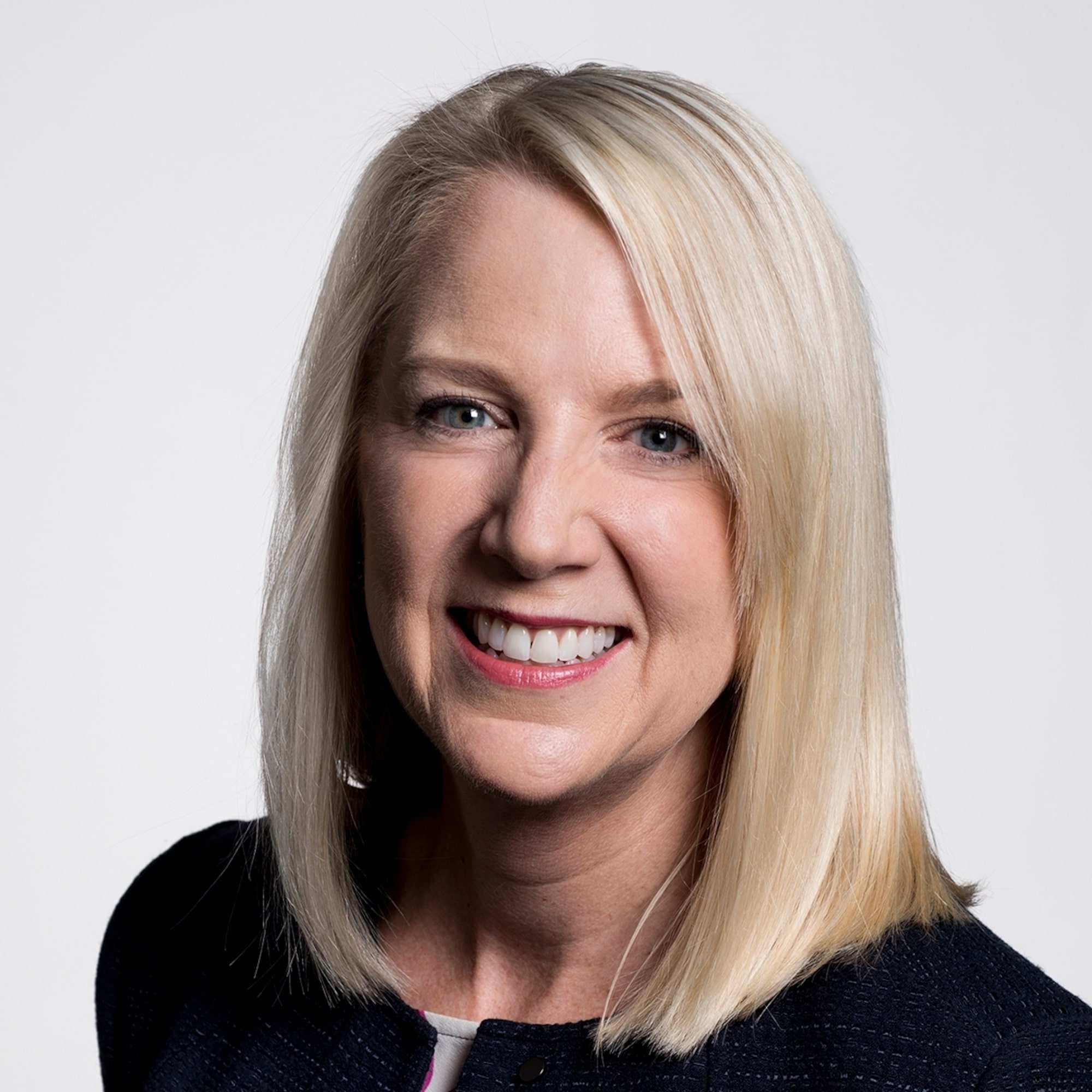
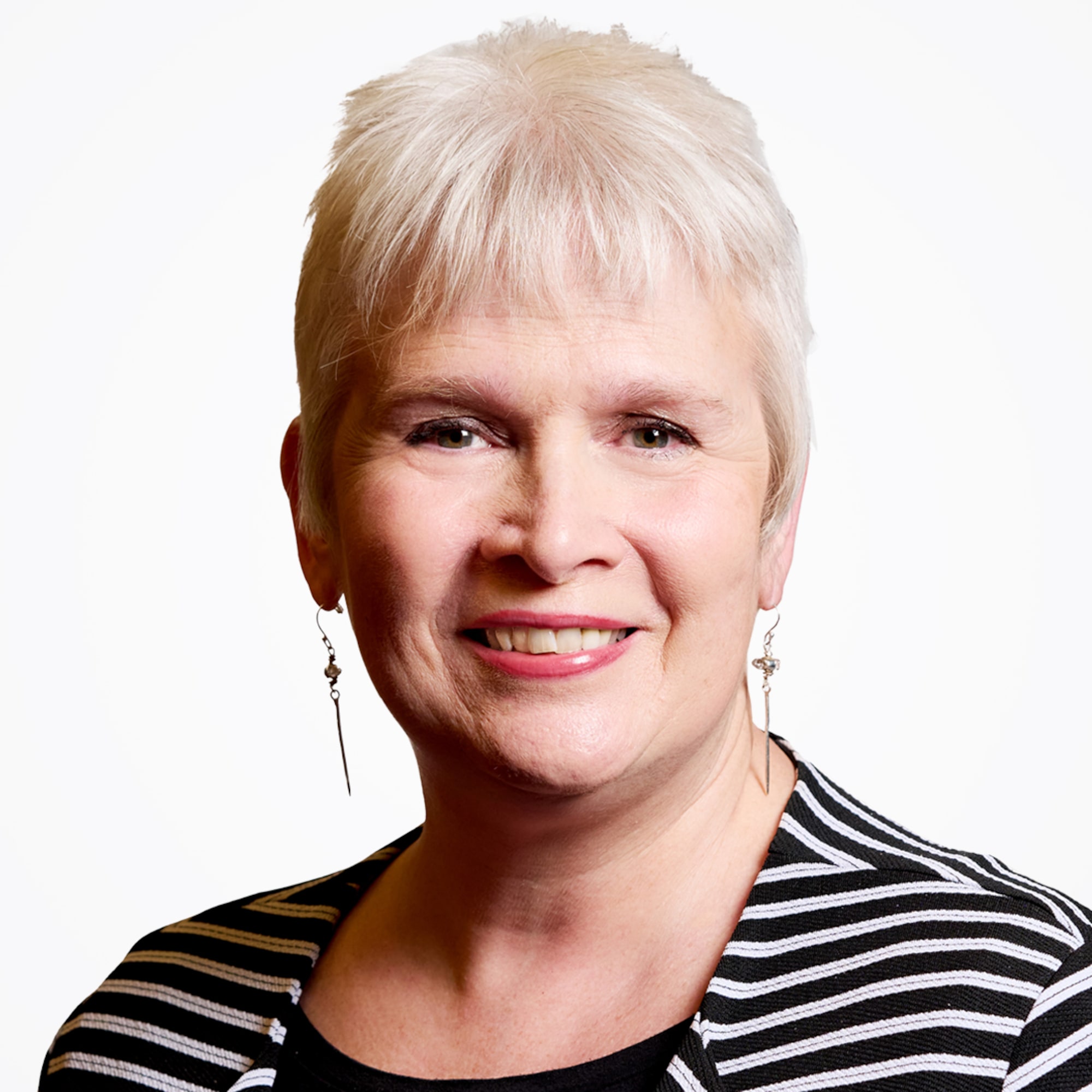
Susan Dziubinski: Hello, I’m Susan Dziubinski, and welcome to Retirement Planning for Real Life. Most retirement advice assumes everyone’s following the same path, but real life rarely works that way. In this episode, we’re talking about retirement planning for singles and the financial decisions that matter most. I’m joined today by Christine Benz. Christine is Morningstar’s director of personal finance and retirement planning. She’s also the author of How to Retire: 20 Lessons for a Happy, Successful and Wealthy Retirement.
It’s great to see you, Christine.
Christine Benz: Susan, it’s always great to see you.
The Rise of Single Households
Dziubinski: OK, so our topic today is retirement planning for singles. Let’s start by talking about the data. What percentage of people in the US today are single, and how has that changed over the past couple of decades?
Benz: Yeah, it’s definitely grown a lot as a share of our population in the US, Susan. Pew Research Center did a survey in 2019 and found that, of adults between the ages of 25 and 54, about 38% of them were either not married or living in a home with a partner—and that is up significantly. The percentage of single people is up significantly from Pew’s survey back in 1990, where they found that about 28% of people were single. Another dimension of this, Susan, is that in the past, women were more likely to be single than men. Now, it’s the opposite. Men are more likely to be single than women. That has changed over the past couple of decades.
Retirement Investing Strategies for Singles
Dziubinski: Let’s talk specifically about how singles need to be thinking about their retirement and planning for it. You say that single people should hold more conservative investments than people with partners, but they should have more aggressive long-term portfolios. That sounds a little contradictory, so walk us through that.
Benz: Right. When I say more conservative, the basic idea there is that your emergency fund needs to be bigger. I would say this is true of any single-earner household, even if you’re married, but if you’re the sole earner, it just makes sense to have that larger emergency cushion because if you lose your job for whatever reason or need to leave the workforce, that’s just going to have a big impact on your household finances. In terms of your investment portfolio, the good news is that you’re the sole decision-maker, so you don’t have to reconcile your risk tolerance or your risk capacity with anyone else’s. That’s actually a real positive, but you are the sole contributor to those retirement accounts. Not only do you have to hit those contributions hard, hit them early, but you also have to make sure that you’re taking appropriately aggressive equity exposure in your portfolio.
We see when we look at the data that historically women have sometimes pulled back from having the same equity exposures as men. It’s really important that you have that growth potential for your portfolio, especially in the accumulation years. You might take advantage of some sort of managed account service or a target-date fund to help guide you into an appropriately equity-heavy portfolio mix.
Retirement Income for Solo Retirees
Dziubinski: Let’s talk a little bit about the single who is maybe already retired, done with the accumulation mode for now. Should their investment portfolios look different from, say, a retired couple?
Benz: Probably not meaningfully, but one dimension here is that you need the funds to last only over your lifetime. You may have a bequest motive, but you don’t need to stretch it over a spouse’s lifetime. If your goal is to consume most of your portfolio during your lifetime, that would argue for having a balanced equity allocation where you have a healthy complement of conservative investments, and you get a bit more conservative as you move through retirement.
Social Security Considerations for Singles
Dziubinski: We’ve talked before in videos about Social Security and how your claiming decision, when you decide to take those benefits, is actually a very important lever when it comes to your retirement income. What specifically should singles be thinking about when it comes to Social Security?
Benz: Well, a huge question here, Susan, is whether you’re single, never married, or whether you are single because you’re either widowed or you’re divorced. If you’re single, never married, the easy answer here is that delaying is often a really good answer, especially if you think you have an average or longer-than-average life expectancy. The key is that Social Security is a beautiful benefit to bring into retirement and that it’s inflation-adjusted. It will last as long as you do. If you can take steps to enlarge it by delaying filing, that rebounds to the benefit of your plan. It makes your demands on your portfolio that much less. Think about delaying all the way until age 70 if you have that average or longer-than-average life expectancy and you’re single and you’ve never been married.
If you’re single and widowed or divorced, you have to take a step back and think about whether you’re better off claiming on your own benefit or your former partner’s benefit. Here’s a spot to get some advice because this can get complicated. Sometimes the answer is a combination of your benefit and your partner’s benefit, so get some advice about that. If you’re divorced, you’ll only be entitled to that former partner’s benefit if you were married for more than 10 years.
Long-Term Care Planning for Singles
Dziubinski: OK. Now, we’ve talked in the past, too, and you’ve written a good deal about long-term care and the importance of really thinking through the issues related to long-term care and retirement. What would you say, from a single person’s perspective, that person should be thinking about?
Benz: Yeah, I’m banging the drum for everyone to have a long-term-care plan because it is kind of the elephant in the room when people think about how much they can spend from their portfolio and everything else. For single people, especially, it’s crucial to have that long-term-care plan. The key reason is that, from a practical standpoint, for many households, our spouses are kind of that first backstop. If we need help doing things around the house, or getting meals ready, or getting dressed, or whatever the case might be, if the well spouse is physically able, they may be able to provide that care. It’s just not there for single people. Maybe you have close people in your orbit who would be able to do those things for you, but lay that plan. I say, think about which of the three major categories you fall into.
I’ve written a lot about this topic. Are you likely to require government-provided resources because your plan is very, very tight? Are you someone who might benefit from having long-term-care insurance? Are you someone who has ample resources and will be able to set aside a self-fund? Think about where you fall and then lay your plan accordingly.
Estate Planning for Singles
Dziubinski: OK. Speaking of plans, let’s talk a little bit about estate planning for singles in particular. What should they be thinking about as they’re developing those estate plans?
Benz: Yeah. Again, for married couples, the spouse is often the easy button in terms of the first line of defense for your power of attorney and for the executor of your plan and whatever else. If you are a single person, you need to appoint those people to serve as your agents for your estate plan. A key point I would make here, Susan, is that many of us, and this is not just a single-person thing, many of us named these agents long ago, often siblings. That’s common; a person whom you would name as your agent would be your sister, your brother, but your sibling is aging right along with you. Be sure to revisit those estate-planning documents as you age and update them. Maybe it’s that trusted niece or nephew. Maybe it’s some sort of paid fiduciary to help with some of these roles.
A general point I would make for single folks in the realm of estate planning is that paid fiduciaries can be very appropriate. They may be better situated to make financial decisions on your behalf than that family member would be.
Why Singles Should Consider Financial Advice
Dziubinski: Lastly, beyond getting that estate planning help, Christine, you say that it’s important for single people to also think about getting financial planning help. Why do you feel like this is important for singles?
Benz: Yeah, I often speak to older adults who are single, and they’ve been wonderful DIY savers and investors. They’ve done all the right things in terms of tax management and everything else. The key reason I would urge them to get some financial help, even if they’ve been very competent in terms of managing their investments, is that a planner can be your backstop. If you’re unable to manage your investments, if you’re unable to write checks for a period of time because you have a surgery and you’re in the hospital, the planner can be your line of defense to help keep everything up and running. They can also be a wonderful flag if you experience cognitive decline and they’re seeing that there are some issues with your household financial management. They can be there to maybe alert other family members that you need more assistance. I would urge people, while they are well, to go out and enlist that financial help.
Dziubinski: Well, that’s great, Christine. Thank you so much. These are great ideas for planning for singles. We appreciate your time.
Benz: Thank you so much, Susan.
Dziubinski: Now, if you’d like to hear more from Christine, be sure to sign up for her free weekly newsletter, Improving Your Finances. We’ve provided a link to sign up below. Thanks for tuning in.
The author or authors do not own shares in any securities mentioned in this article. Find out about Morningstar’s editorial policies.

 United States