
I Took Care of My Parents. SNL’s Viral ‘Sister’ Sketch Gets It Right, With One Surprise
Christine Benz reflects on a study showing that caregivers often have more education, better jobs, and greater resources.
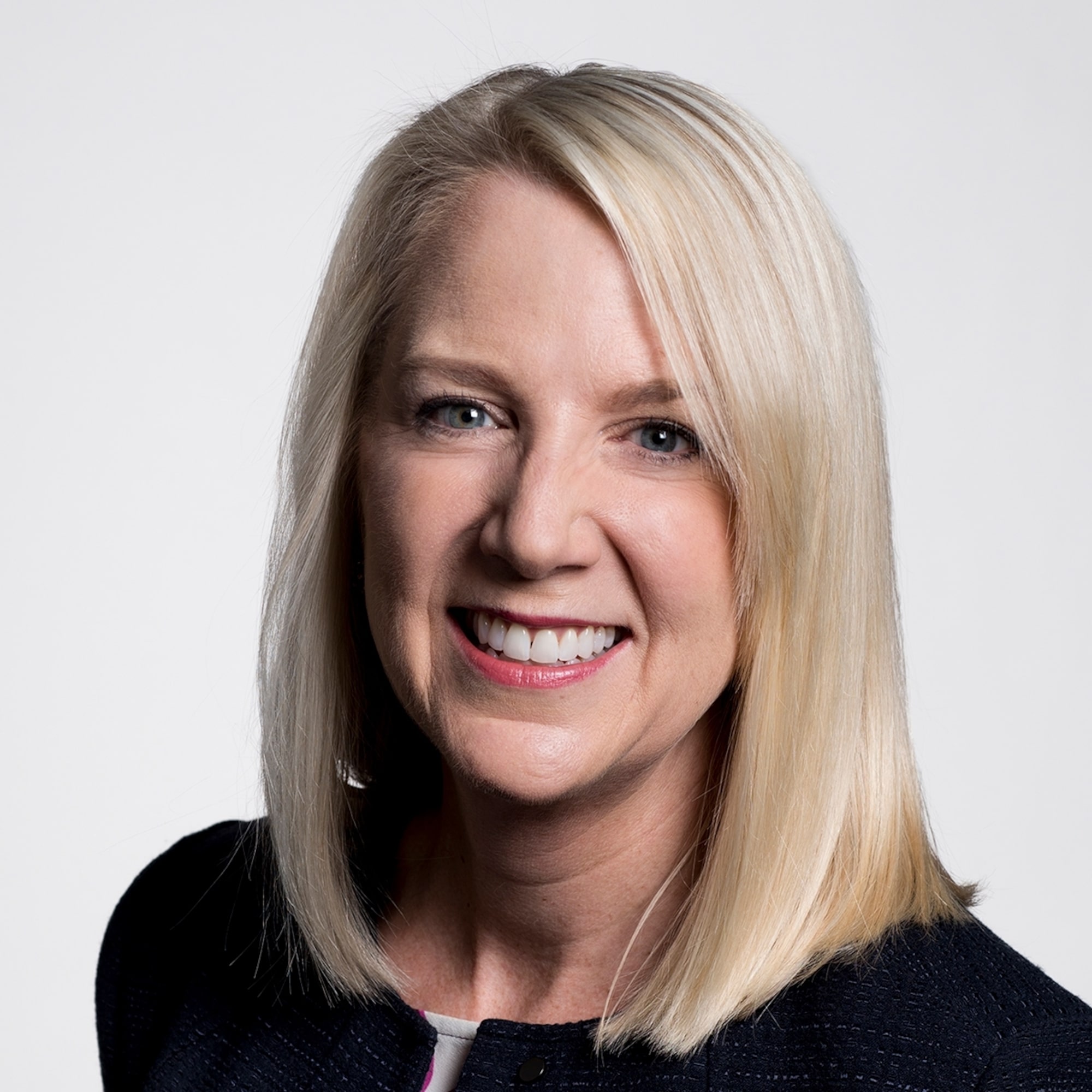

The hidden toll of long-term care for unpaid caregivers, often adult daughters, isn’t new territory for me. So, it felt like an affirmation to see the issue enter our public discourse so resoundingly after the recent viral Saturday Night Live sketch, “Sister.”
The skit highlights the disproportionate role women play in caring for elderly parents. It has more than 6 million views on YouTube since it first aired on Saturday night.
I’ve been lapping up “Sister”-related content and trading wry texts with female friends who have also gone through a caregiving journey. But as I read through a recent New York Times article on the skit, the following jumped out at me: “If not spouses, [caregivers of elderly people] tend to be daughters—particularly those with higher levels of education and pay, because they’re more likely to have flexible jobs or to be able to take time off work.”
Wait, what?
It was the “higher levels of education and pay” piece that caught my attention. I hadn’t seen it before, and it didn’t square with my assumptions. Notwithstanding the many high-achieving women I know who have served as caregivers for their parents, I had always assumed that the chief caregivers for parents were the ones who had less remunerative careers and could more readily walk away.
But the 2020 study linked in the Times story, by researchers Kathleen McGarry and Sean Fahle, effectively said just the opposite.
“There is no evidence that caregivers are drawn from the population with weaker attachment to the labor force,” McGarry and Fahle wrote. “If anything, the reverse is true: the caregivers in our sample tend to have stronger attachment to the labor force, more education, better jobs, and greater economic resources.”
The researchers conjecture that women with higher economic attainment are able to provide more care because they have more financial resources and more flexibility in their jobs, though they also note that across socioeconomic strata, caregiving is “associated with a lower probability of work, fewer hours of work, and lower earnings.”
As I’ve marinated on the connection between career success and caregiving, it actually makes a world of sense.
As the study notes, people with higher career attainment often do have more flexibility in their jobs, and if they’re financially stable, they have less to lose by stepping away to attend to parental caregiving for a period of time.
There’s also a softer dimension to all of this—and here I’m drawing from my own lived experience more than anything that shows up in the data. If you’re a responsible person with a good job, you’re probably comfortable multitasking, problem-solving, and leveraging connections. You may be more likely to step in and offer help to elderly parents if there’s a clear need. You’re apt to be the one your family calls on as the fixer or decision-maker.
The connection between workplace flexibility and caregiving, highlighted in the research, also illustrates something we all know: The spoils of flexible, family-friendly policies fall disproportionately to better-educated, higher-paid workers, and that’s true whether they’re caring for children or elderly parents. While such workers are responsible for deliverables, they’re not punching a clock; if they need to get their work done in the evening or on weekends, they can. It wasn’t a picnic, and I was exhausted, but that’s how I made it work when I was overseeing my parents’ care over a decade ago. (I’m still thankful to Morningstar for having family-friendly policies that helped me hold it all together.)
Of the SNL sketch, my own sister wrote: “Almost not funny.” But if it calls more attention to and gets us talking about these issues in all of their complexity—that caregiving falls disproportionately to women and hurts their finances; that more privileged people are doing the work, too; and yes, men need to do more and many of them already are—I’m here for it.
Let’s keep the conversation going.
The author or authors do not own shares in any securities mentioned in this article. Find out about Morningstar’s editorial policies.

 United States