
Christine Benz: My Boring Portfolio Has Served Me Well. Here’s How I’m Adjusting It Ahead of Retirement
Low-cost funds and automatic contributions anchor my investing approach. As retirement nears, I’m adding safer assets and simplifying my fund lineup.
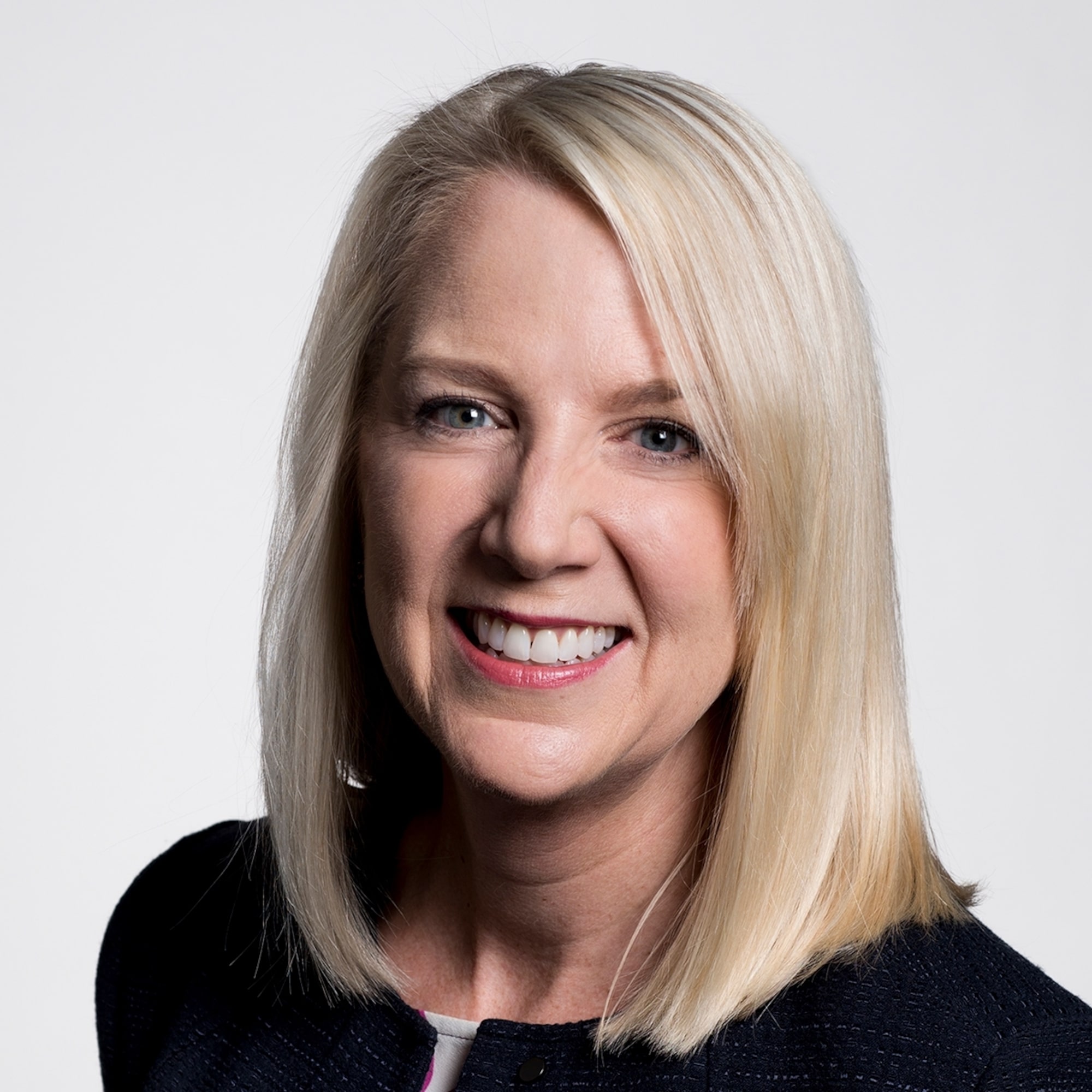
I’m often asked what got me interested in researching and writing about money and investing.
My dad is the obvious answer. He was an avid equity investor and also an early adopter of mutual funds. He was the one who nudged me to apply for a job at Morningstar 30-plus years ago.
But when I think about who influenced how I actually invest, it was my mom all the way. Which is funny, because she wasn’t an investor at all. Like many women of her generation, she delegated investment decisions to her husband and instead handled household bills and financial management. But as the mother of six kids, including one with a disability, my mom influenced me immensely with her ruthless practicality and focus on getting the important things done. She was a joyful and fun person, but she was never too far from her to-do lists, calendar, and address book.
My approach to a lot of aspects of life, including money and investing, is similar: Get ‘er done. You won’t find me obsessing about factor investing or whether a dash of commodities might help. For my personal portfolio, boring is the goal.
So when I was asked to write about my investing approach for the first edition of How I Invest My Money, a compendium of experts’ essays about how they invest their own money, and to submit a short update to my chapter for Volume 2, released in October, I felt stymied. My approach to investing my money is pretty darn dull. There’s no story, no secret sauce. But I figured maybe that’s a story unto itself.
Christine Benz’s Boring Approach to Investing
Here’s my updated chapter from How I Invest My Money, Volume 2:
“If you talk to investment professionals, many will admit that they’re a bit like the cobbler whose kids are running around without any shoes. In other words, they’re too busy minding other people’s money to spend a lot of time on their own.
I see myself in the shoemaker metaphor: Thanks to a combination of inertia, a focus on low-maintenance portfolio building blocks, and a belief that “less is more” when it comes to portfolio oversight, I haven’t made any big changes to my portfolio since the original How I Invest My Money was published. And you know what? It has worked out just fine.
My husband and I continue to contribute to our investment accounts on autopilot every month: to our respective company retirement plans, our joint taxable brokerage account at Vanguard, and my health savings account. We also make annual “backdoor” contributions to Roth IRAs each year. We’ve maintained a fairly equity-heavy portfolio for many years, which has been a boon during the long-running bull market for stocks. Our portfolio skews toward low-cost funds, especially index funds.
However, we’re also five years older, so we’ve begun to boost our positions in safer assets as retirement approaches. While we both expect to continue working for a while, I’m mindful that people are often forced to retire earlier than they might wish thanks to their own health issues, family health issues, or layoffs. In recognition of that possibility, we want to make sure that we hold enough buffer assets, especially bonds, to tide us through if an extended market downturn shows up at the same time we need money from our portfolio. The good news is that interest rates are substantially higher today than they were five years ago, which gives safer assets much better return potential than they had when yields were low.
The recent inflation spike was also a reminder to add inflation protection to the safe portion of our portfolio; we plan to add to Treasury Inflation-Protected Securities in the years ahead. And because I’m a great believer in simplicity, especially as we age, I expect to continue to transition our portfolio to inexpensive ‘total market’ index funds and exchange-traded funds rather than the blend of index and active funds that it is today.
As I wrote in my chapter in How I Invest My Money [Volume 1], I want my portfolio to reflect how I suggest that others invest. It’s low-cost, minimalist, and hands-off, and that suits me just fine.”
Retirement Planning for Parents Raising a Child With a Disability
Editor’s Note: Excerpted with permission of the publisher, Harriman House Ltd., and Brian Portnoy, from How I Invest My Money, Volume 2: More Finance Experts Reveal How They Save, Spend and Invest, by Brian Portnoy. Copyright (c) MMXXVI Brian Portnoy.
The author or authors do not own shares in any securities mentioned in this article. Find out about Morningstar’s editorial policies.

 United States