
After Earnings, Is Lowe’s Stock a Buy, a Sell, or Fairly Valued?
We’re encouraged that Lowe’s held to its 2025 outlook despite macro headwinds.

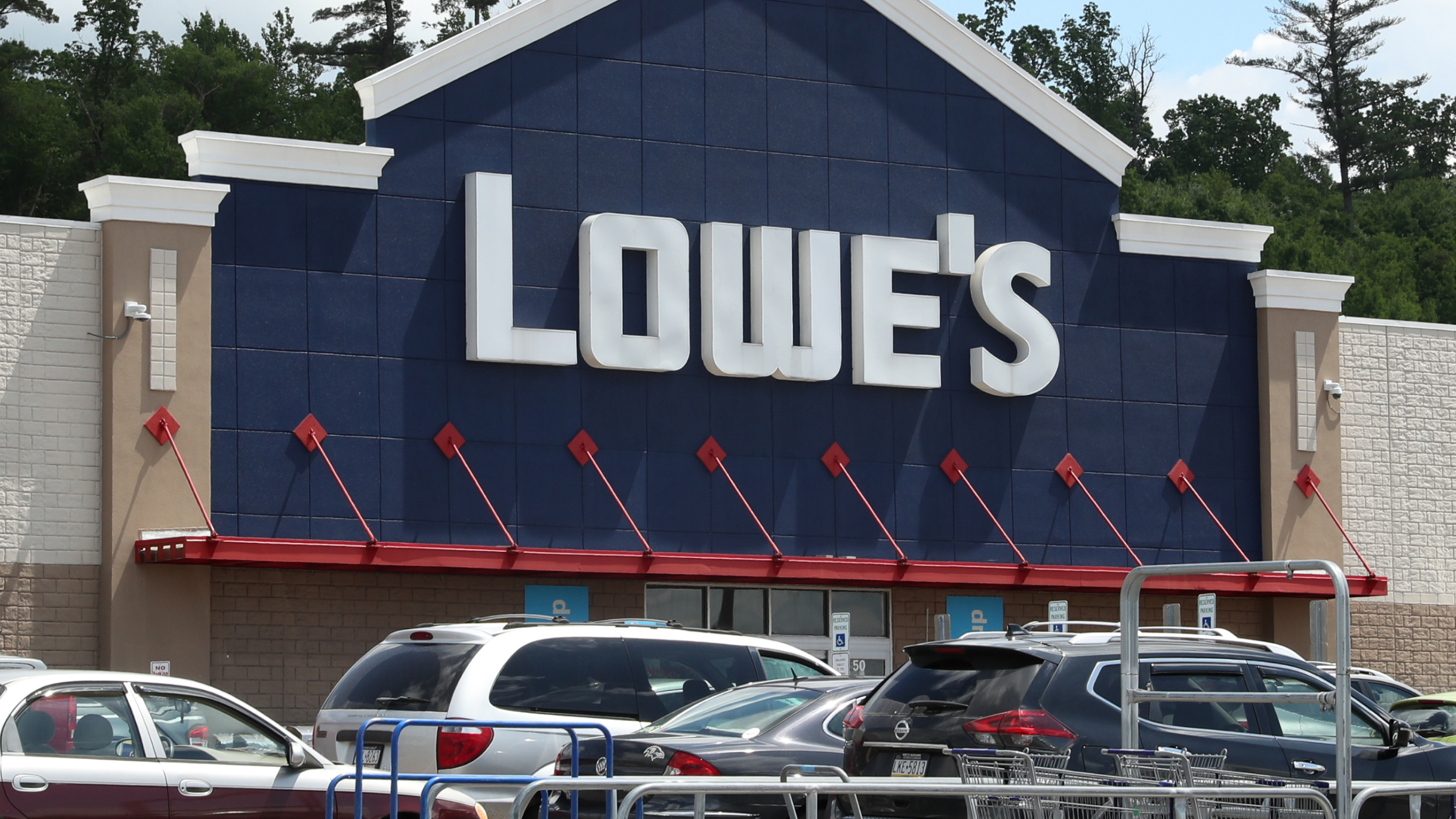
Lowe’s reported its first-quarter earnings on May 21, 2025. Here’s Morningstar’s take on Lowe’s earnings and stock.
Key Morningstar Metrics for Lowe’s
- Fair Value Estimate: $234
- Morningstar Rating: 3 stars
- Morningstar Economic Moat Rating: Wide
- Morningstar Uncertainty Rating: Medium
What We Thought of Lowe’s Q1 Earnings
Lowe’s fiscal first-quarter results were largely in line with our expectations, with $20.9 billion in revenue matching our estimate and an 11.9% operating margin slightly exceeding our projection by 10 basis points. While industrywide pressures, including sluggish home turnover, cautious consumer spending, and unfavorable weather, helped drag down comparable sales 1.7%, the figure came in a tad better than the 2.0% drop we had anticipated.
Although we don’t think these headwinds are likely to dissipate in the near term, we’re encouraged that Lowe’s held firm to its full-year outlook, which factors in ongoing macro challenges with expected tariff impacts, aiming for flat to 1.0% comparable sales growth and an operating margin between 12.3% and 12.4% (implying a flat to a 10-basis-point improvement compared with the prior year). We still believe its targets are achievable, underpinned by ongoing productivity initiatives, alongside robust negotiating leverage with suppliers and active endeavors to reduce its reliance on China (currently around 20% of direct and indirect purchases). These efforts should collectively preserve margins while reinforcing its everyday low pricing strategy. Meanwhile, we posit the firm is prudently investing to bolster customer engagement, which should support positive comparable sales growth.
As a result, we don’t plan a material change to our $234 fair value estimate and view shares as fairly valued.
Do-it-yourself consumers remained cautious in the quarter, holding back on big-ticket discretionary purchases, according to management. That said, we are pleased that the average ticket increased 2.1%, helping offset a 3.8% decline in traffic, thanks to strength in pro and essential appliance sales. Despite near-term pressure, we believe Lowe’s investments in its DIY and pro loyalty programs and technology upgrades will help continue to engage consumers in underserved rural markets, leaving our long-term 3.0% average comparable growth forecast unchanged.
Lowe's Companies Stock Price
Fair Value Estimate for Lowe’s
With its 3-star Morningstar Rating, we believe Lowe’s stock is fairly valued compared with our long-term fair value estimate of $234 per share, an increase from $230 to account for time value.
First-quarter revenue came in at $20.9 billion, and comparable sales fell 1.7%. We expect another sluggish year for the housing market, which will depress DIY spending in the near term. The company reiterated its prior 2025 guidance, calling for sales and operating margins of $84.0 billion and 12.3% to 12.4%, respectively, which was near our estimates for $84.4 billion in sales and a 12.3% operating margin.
Our long-term outlook remains unchanged, bolstered by continual improvement in customer experience, pro customer expansion, and productivity initiatives, which support a wide moat rating. When near-term housing market pressures and macro uncertainty subside (2026 and beyond), we expect Lowe’s will be able to reach 3.6% average sales growth.
Read more about Lowe’s fair value estimate.
Economic Moat Rating
We assign Lowe’s a wide economic moat. As the second-largest global home improvement retailer, we believe Lowe’s will continue to gain incremental share in the North American home improvement retail segment (which Lowe’s has estimated at around a $1 trillion market), given its extensive distribution network and economies of scale as well as the brand awareness it has built with consumers and professionals.
Dissecting the components of its competitive prowess, Lowe’s has been able to capture economic rents from its brand, offering an important intangible asset. This is evidenced in consistent same-store sales growth, which has averaged 5.2% over the past five fiscal years. Furthermore, continued improvements in merchandising strategy, the supply chain, and a focus on meeting pro consumer demands should support the brand, driving both additional same-store sales growth (3% on average in the long term) and operating margin expansion (to 14.6% by 2034, near wide-moat Home Depot HD and up more than 500 basis points relative to the average margin chalked up in the five years preceding the pandemic).
Read more about Lowe’s economic moat.
Financial Strength
Despite increasing leverage in recent years, the debt/total capital ratio remained around 25% in 2024, and we believe the company is in decent financial health thanks to the robust free cash flow it generates. Specifically, Lowe’s generated average annual free cash flow to the firm of $9.3 billion over the past five years. We believe this level of robust free cash flow helps support the company’s $35 billion debt load along with $3.7 billion in noncurrent operating lease liabilities as of May 2, 2025.
Further, given that Lowe’s debt maturities are spread out, we do not believe its debt will present any cash flow issues. Lowe’s raised no new debt in 2024, while paying down $545 million in loans. The firm’s EBIT/net interest expense was nearly 8 times at the end of 2024, and we expect it will increase to above 10 times by fiscal 2027.
Read more about Lowe’s financial strength.
Risk and Uncertainty
We assign Lowe’s a Medium Uncertainty Rating because of its strong brand recognition, which has helped stabilize sales through the cycle, despite operating in a cyclical retail environment.
Generally, housing turnover and homeowner spending are key factors driving home improvement demand. Existing home sales growth had stabilized at the beginning of 2020 until covid struck, sending the metric tumbling at a double-digit pace between April and June 2020, before achieving stabilization. However, existing home sales have contracted meaningfully over the past three years, and any additional economic headwinds, such as a spike in unemployment, predatory pricing tactics, tariffs, or a slowdown in consumer confidence, could reduce revenue and profitability.
Read more about Lowe’s risk and uncertainty.
LOW Bulls Say
- Investments in technology and supply chain optimization should improve productivity and allow store employees to better service customers, bolstering Lowe’s brand intangible asset and competitive market position.
- Higher home prices and aging housing stock support demand, helping Lowe’s to generate an expected free cash flow to the firm of more than $42 billion over the next five years.
- Perpetual productivity initiatives to improve the supply chain and inventory management could boost Lowe’s inventory turnover and working capital generation above levels that we currently anticipate.
LOW Bears Say
- The closure of smaller peers may intermittently lead to competitive pricing pressures at Lowe’s, constraining ROIC expansion and limiting sales growth.
- Higher interest rates, flat housing price growth, or tighter lending standards could slow inventory turnover, postponing home improvement projects and hindering Lowe’s sales.
- Lower sales could pressure profitability if lower-margin acquired businesses, like those that compose the Lowe’s Pro Supply line, operate less than optimally. Further margin pressure could ensue if growing Pro and MRO demand becomes difficult.
This article was compiled by Gautami Thombare.
The author or authors do not own shares in any securities mentioned in this article. Find out about Morningstar’s editorial policies.

 United States