
14 Elite Funds and ETFs, and 5 Popular Funds That Just Missed the Mark
Russ Kinnel shares investment ideas from his annual Thrilling Funds list and discusses how he screens for quality investments in a sea of options.
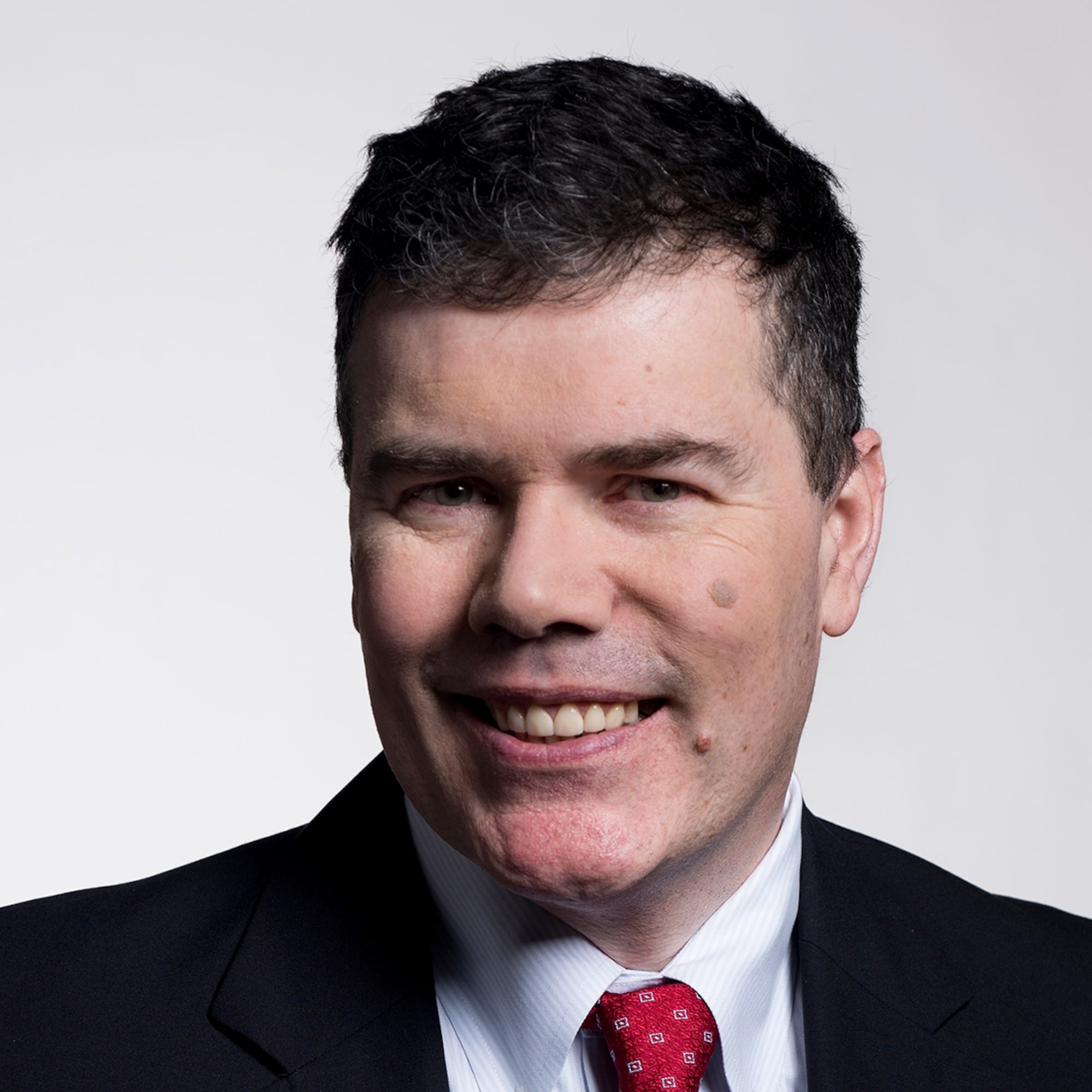

Ivanna Hampton: Welcome to Investing Insights. I’m your host, Ivanna Hampton. The menu of mutual funds and exchange-traded funds can appear to go on and on, and it’s probably hard not to feel overwhelmed when you’re researching what works for your portfolio. A popular annual feature in Morningstar’s FundInvestor newsletter narrows the choices from thousands to about a few dozen. Russ Kinnel has done the hard work for you and is here to share investment ideas from his Thrilling Funds list. He’s the newsletter editor and Morningstar’s senior principal of ratings.
It’s good to see you, Russ.
Russ Kinnel: Good to be here.
Hampton: Let’s get into the FundInvestor newsletter, everybody. It has gotten thicker and heavier. Talk about the big change and what’s in store for readers.
Kinnel: We’ve combined funds and ETFs, which is great because I think a lot of people invest in both. So, we’ve added 200 ETFs to our data pages. We’ve added a couple of ETF-related articles, but all the articles we’re writing now can incorporate both funds and ETFs because I think that’s how most people sensibly look at their investment world. You look at funds and stocks and ETFs and all those things. We’ll leave stocks for someone else, but we’re combining the funds, and I think that makes it a lot easier so you can comparison shop and find the best investments.
Hampton: Now you return to talk about your annual list called the Thrilling Funds list. How do you whittle down thousands of fund share classes to just a few dozen funds?
Kinnel: The idea here is not to have 20 tests; it’s instead to have just a few key tests on the things we know have the best predictive value and just really raise the bar so that at the end of the day, not a ton of funds actually come out.
Hampton: Every Dodge & Cox fund met the criteria. How unique is that, and were you surprised?
Kinnel: It’s kind of unusual. Generally, a lot of Dodge & Cox funds have made the tests, but this time all of them made it, which shows that things are going pretty well there.
Hampton: Talk about the successes of the Dodge & Cox Balanced DODBX and Dodge & Cox Emerging Markets Stock DODEX funds.
Kinnel: Dodge & Cox Balanced is kind of a classic balanced fund, about 60% equity, the rest fixed income. The equities are a value portfolio. The fixed income is a mostly investment-grade portfolio of corporate bonds, mortgages, and Treasuries. So, you combine it, and you get a nice, more moderate portfolio than a pure equity portfolio. And you mentioned Dodge & Cox Emerging Markets. That one is an interesting one, launched about five years ago, so it’s the first time it’s eligible for this list. And it’s got the standard Dodge & Cox fundamental value approach, but they added on to it with a quantitative approach doing the same sort of thing they did, but they wanted to have a much broader reach into more stocks and more emerging markets, more small and mid-caps as well. They really broadened the reach. So, it’s a more diversified fund, more names, but it really seems true to Dodge & Cox, and it’s actually a combination that’s worked really well.
Hampton: For the first time ever, exchange-traded funds are included on your Thrilling Funds list. What do you like about the large-growth ETF, Fidelity Blue Chip Growth FBCG?
Kinnel: That’s an interesting one. It’s run by Sonu Kalra, and he’s a very aggressive large-growth manager. The fund’s more than half tech. So it says Blue Chip Growth, but you could almost say it’s “tech blue chips.” It’s done really well, but obviously a very aggressive fund. So, be prepared for downside before you get in.
Hampton: Now, for folks who are looking to add mid-cap or small-cap growth to their portfolio, what can you tell them about Primecap Odyssey Aggressive Growth POAGX and Vanguard Explorer VEXRX?
Kinnel: We have two different sides of aggression there. Primecap is a firm that’s really got a deep team, and historically they love biotech as well as tech, and it’s a more aggressive fund, very distinctive. Whereas Vanguard Explorer has five subadvisors building a very diversified portfolio and has a very low expense ratio, of course. So, one is almost in index land, and the other is a much more aggressive, more volatile fund.
Hampton: And now of the two, which one do you own, Russ?
Kinnel: I own Primecap Odyssey Aggressive Growth.
Hampton: Great. Let’s take a look at two large-value funds from the same firm, American Funds Washington Mutual AWSHX and American Funds American Mutual AMRMX. What should investors know about these strategies?
Kinnel: They’re really in American Funds’ wheelhouse, and that is dividend strategies. Both funds are large-value funds that invest in dividends, but unlike some dividend investors, they don’t go so far for yield that they take too much risk. They do a really nice job of balancing capital appreciation and dividend yield. And at the end of the day, it’s a nice, well-run package with very good fundamental research and good stock-picking behind both of them.
Hampton: Why do you believe the large-blend fund T. Rowe Price U.S. Equity Research PRCOX was an unlikely fit for this year’s list?
Kinnel: Well, to beat the index, you really have to be fairly bold, but in this case, the fund is an analyst-run fund. They set the sectors at the overall market level, and then the specialist in each industry picks stocks accordingly. And so then they roll all that up into a diversified portfolio. So, it’s kind of a mild-mannered fund, tends to be relatively close to the S&P 500, but over time so far it has actually beaten the index.
Hampton: So, both TCW Flexible Income ETF FLXR and Neuberger Short Duration Income ETF NBSD started out as mutual funds before later converting to ETFs. What’s been key to these bond ETFs’ outperformance?
Kinnel: They take on a fair amount of risk, particularly credit risk. Both are at the higher-risk end. Short-term bond funds are often fairly mild-mannered, mostly investment-grade. Neuberger’s a little more aggressive with high yield. And TCW is in the multisector income, which means they can go high yield, they can go foreign bonds, they can go all over, and it’s a pretty aggressive fund, but it’s done really nicely.
Hampton: I just want to let everyone know, Russ is not using any notes. This is all from the top of your head, so kudos there.
Kinnel: So far.
Hampton: American Funds Capital World Growth and Income CWGIX and Vanguard Global ESG Select Stock VESGX are generating strong total returns. What else makes these global large-stock blend funds stand out?
Kinnel: Capital Group, which runs the American Funds, again, we talk about that growth and income, that dividend wheelhouse. And so I think again, you have a nicely run fund from them that’s got dividends but also great capital appreciation potential. The Vanguard ESG fund is a relatively new fund subadvised by Wellington. They’ve got fundamental large-blend characteristics, but they also add an ESG layer. So, they look for companies with a high return on investment, but also who are good stewards. And so far that’s worked well.
Hampton: For investors who are interested in municipal-bond funds, why should they consider Vanguard Intermediate-Term Tax-Exempt VWITX and Baird Core Intermediate Municipal Bond BMNIX?
Kinnel: OK. Earlier we talked about aggressive bond funds. These are nice core sleep-at-night, high-quality muni funds. Low-cost, well-diversified. You can own them and not worry about them.
Hampton: And now we’re going to pivot. Some popular funds missed this year’s list. Let’s start with Fidelity Contrafund FCNTX. What’s the story there, Russ?
Kinnel: Will Danoff is retiring at year’s end, and so we require you to have at least a five-year record for the current manager to be on the list. And so with Danoff retiring, it’s not going to qualify.
Hampton: And what about American Funds New Economy ANEFX?
Kinnel: It slid just below the performance benchmark. So, it had a sluggish year and just fell out.
Hampton: A trio of funds from Vanguard are producing great returns this year, but it wasn’t enough. Can you explain why Vanguard Capital Opportunity VHCAX, Vanguard Primecap VPMAX, and Vanguard Primecap Core VPCCX didn’t make the cut? Now, I’m going to help you out, Russ. You own Vanguard Capital Opportunity and Vanguard Primecap Core, right?
Kinnel: That’s right. I own those two. And the reason that the three didn’t make it is they don’t have a risk rating below High. In other words, they have a High Morningstar Risk rating, and we screen those out because investors do better with more moderate-risk funds. So, they didn’t make the test this time.
Hampton: Got it. Now, how can investors find out if the funds in their portfolio stack up against the criteria from your Thrilling Funds list?
Kinnel: Well, you can go through those tests, read the Fund Spy that we’ll post later, but you can also go to the fund selector tool on Morningstar FundInvestor’s website. And just to reiterate, the tests are that you have to be a Morningstar Medalist. You have to be in the cheapest quintile of your category. You have to have an Above Average Parent rating. You have to not have a High risk level. You have to have manager investment over a million dollars. You can’t be a fund of funds. You have to have a minimum investment of $50,000 or less.
Hampton: That’s seven must-haves.
Kinnel: That’s right.
Hampton: All right. So everyone listening, watching, sign up for the Morningstar FundInvestor newsletter. It is packed with fund articles, ETF articles, and watchlists. A link is in the show notes. Russ, thank you for coming to the table. It’s been thrilling.
Kinnel: Glad to be here.
Hampton: This week’s episode is almost done, but first, let me tell you who’s joining The Long View co-hosts Christine Benz and Amy Arnott on their next episode. It’s personal finance expert Erin Moriarity from the popular YouTube channel Erin Talks Money. The trio will discuss who inspired Erin to invest early, retirement rules that seem off base, and the importance of maximizing Social Security. Catch The Long View episode on Tuesday, Oct. 6.
I appreciate you for checking out this week’s episode. Thanks to senior video producer Jake VanKersen and associate multimedia editor Jess Bebel. I’m Ivanna Hampton, editorial multimedia manager at Morningstar. Take care.
The author or authors own shares in one or more securities mentioned in this article. Find out about Morningstar’s editorial policies.

 United States