
Bank of America Earnings: Profitability Boosted by Higher Net Interest Income, Trading Revenue
We continue to view Bank of America stock as undervalued.

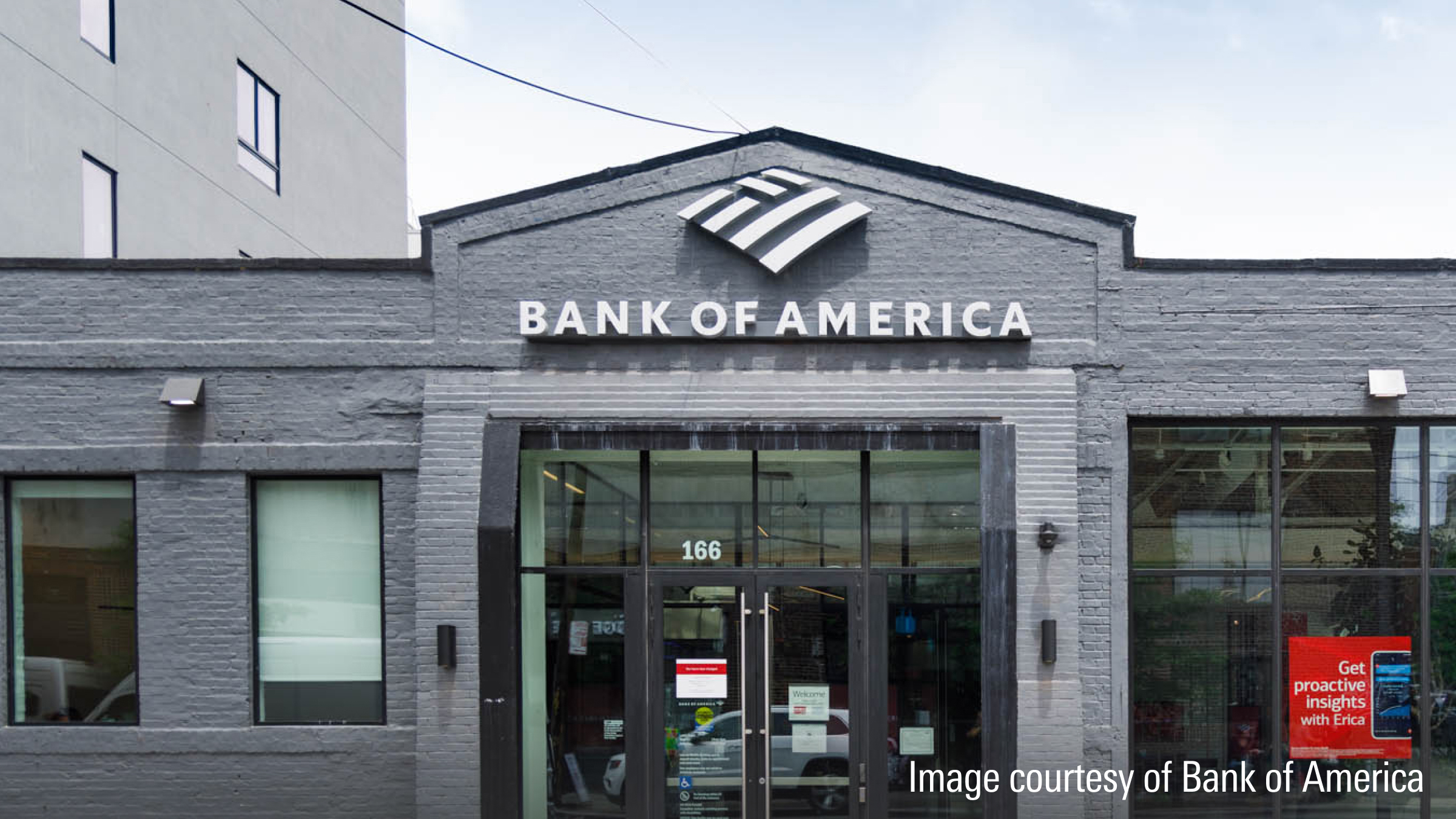
Key Morningstar Metrics for Bank of America
- Fair Value Estimate: $43
- Morningstar Rating: ★★★★
- Morningstar Economic Moat Rating: Wide
- Morningstar Uncertainty Rating: Medium
What We Thought of Bank of America’s Earnings
Bank of America BAC reported improved profitability in the first quarter, with earnings per share of $0.90 equating to a return on tangible equity of 13.9%. The economy faces considerable turbulence in 2025, primarily due to tariff-related disruptions.
Why it matters: The impacts of tariff disruptions didn’t show up in the first quarter, but we think they will be more visible in the second. The bank kept its allowance for loan losses as a percentage of loans roughly flat on a sequential basis at 1.2%.
- First-quarter profitability was powered by solid net interest income, which grew 3% year over year thanks to lower deposit costs, higher markets NII, and fixed-rate asset repricing, partially offset by lower interest rates.
- Fee revenue also did well in the quarter, powered by strong gains in the trading business. Trading should remain strong in the second quarter due to higher volatility.
The bottom line: We plan to maintain our fair value estimate of $43 per share for Bank of America after incorporating first-quarter results. We believe that the shares are undervalued. The bank is our preferred choice for investors in the money center space.
- We were skeptical about the rally in US bank stocks after the presidential election, given the uncertainty around the administration’s policies and the healthy valuations in the sector. Bank stocks have declined by more than 20%, and valuations look much more appealing now.
Key stats: Management projects that Bank of America will exit the year with quarterly NII of around $15.6 billion at the midpoint from $14.6 billion currently. NII growth, the operating leverage associated with it, and resultant profit growth are the crux of our thesis for the bank.
Long view: The bank is well-positioned for any economic turbulence as its underlying business is inherently more resilient now.
Editor’s Note: This analysis was originally published as a stock note by Morningstar Equity Research.
The author or authors do not own shares in any securities mentioned in this article. Find out about Morningstar’s editorial policies.

 United States