
When Will I Get My Tax Refund?
The different types of taxes you owe, how much to expect from your tax refund this year, and more.


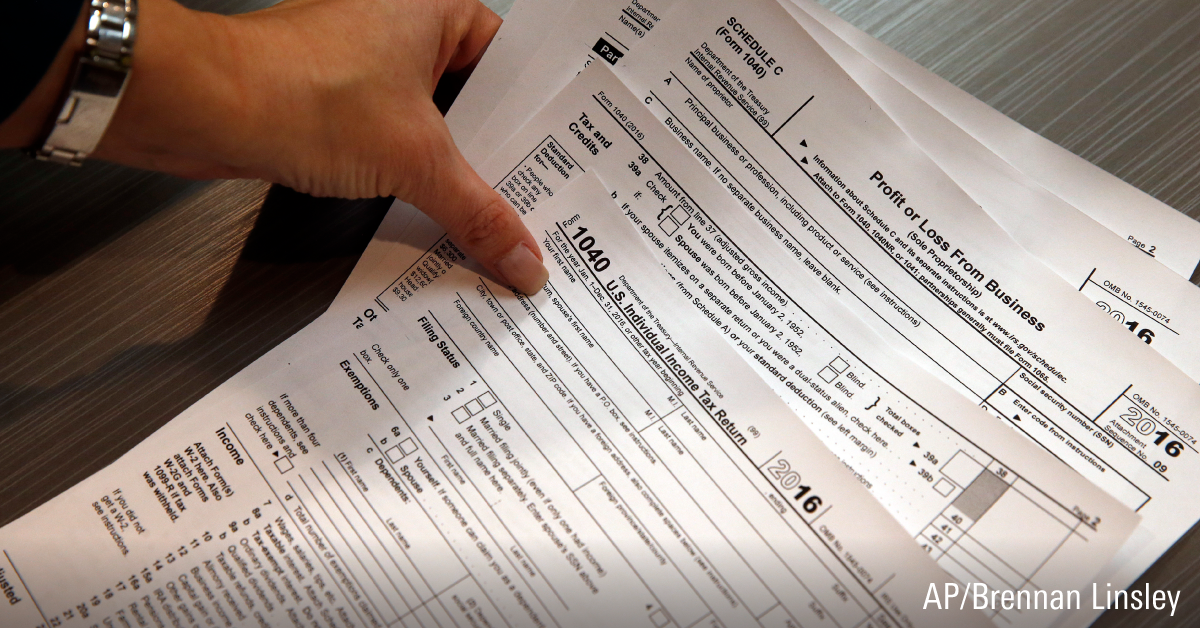
For many of us, tax season comes down to one straightforward question: Where’s my tax refund?
That’s after you’ve tracked down W-2s, 1099s, and other key documents ahead of the Tuesday, April 15 deadline to file. (And maybe you’ve squeezed in last-minute contributions to an IRA and HSA, too).
If you’re obsessively checking your accounts or mailbox, here are a few things to keep in mind.
What Are the Different Types of Taxes?
First, let’s break down the types of taxes you owe each year.
- Payroll and income taxes: Your employers withhold payroll taxes and income taxes from your wages and send these amounts to the government. As an employee, you fill out a W-4 when you start a new job, which your employer uses to figure out how much income tax to withhold.
- Federal income tax: The amount of federal income tax withheld from your gross pay depends on a few factors, like your marital status, the number of withholding allowances you claim, any additional amounts you want to withhold from your pay, and any withholding exemptions you claim. Allowances reduce the specific amount that’s taxed on your regular paycheck, whereas an exemption reduces the total of your taxable income.
- Social Security, FICA, and Medicare taxes: Social Security tax; Federal Insurance Contributions Act, or FICA; and Medicare tax are also withheld and sent to the government by your employer throughout the year. The Social Security tax is 6.2%, and the Medicare tax is 1.45%.
- Capital gains tax: When you sell a capital asset, like a stock or a bond, at a higher price than you paid to buy it, you “realize” the gain. This profit you make, also known as your capital gain, may be taxed. The same tax applies to mutual funds, when you sell a fund or even if you don’t. When a mutual fund makes an income distribution (for example, a bond fund or a dividend-paying stock fund) or sells its capital assets at a gain and doesn’t have any offsetting losses, it distributes that gain to shareholders. Shareholders, in turn, are then required to pay taxes on that distribution. So, if you own mutual funds in a taxable account, you may see a tax bill, even if you haven’t sold a share.
- Alternative Minimum Tax: If you’re in a higher income tax bracket, you may be liable for the alternative minimum tax. Essentially, the AMT is an additional tax system to make sure higher-earning individuals are paying at least a minimum amount of tax. You can find out if you’re subject to the AMT and how it is calculated by going to the IRS website. Thanks to changes in the tax code that went into effect in 2018, significantly fewer taxpayers are subject to the AMT than was the case before 2018.
Where’s My Federal Tax Refund?
If you file electronically, you can expect your refund in less than 21 days. For those going the paper route, it can take up to four weeks or more. Check the status of your federal tax refund at any time on the IRS website.
Keep in mind that delays can happen as a result of mistakes and missing information on your tax return, or suspected identity theft or fraud. If any of these issues are the case, the IRS will send you a letter in the mail to confirm any missing or needed information. From there, it can take up to 120 days or more to process your return.
Remember to be skeptical of any phone calls or emails claiming to be from the IRS, as they are likely scams.
Where’s My State Tax Refund?
Like your federal tax refund, you’ll get your state refund faster if you file electronically.
For my fellow Illinoisans, you can check the status of your state tax refund here.
Will Tax Refunds Be Bigger in 2025?
In short: Yes, filers whose financial situation didn’t change substantively in 2024 may see a bigger refund in 2025. That’s because of inflation-related changes to the standard deductions and tax brackets for 2024.
Of course, the amount of your final tax refund could be influenced by other factors, including changes to your income, changes to your filing status, and your qualifying deductions.
How Can I Get the Most Back on Taxes?
Building a tax-efficient, well-diversified portfolio is one way you can boost your tax return. There are a few other places you can find a tax break, such as:
- Your retirement accounts: Get the most out of your contributions with these guidelines.
- Your health savings account: Contributions can be deductible, plus any interest and gains are tax-free.
- Charitable giving: These tax-friendly strategies for retirees not only do good but also give a good break on taxes.
How Many Years Should You Keep Tax Returns?
You should keep your records for three years. But before you toss anything, if any of the following situations apply to you, you’ll need to hold on to your documents for longer.
| Tax Situation | How Long to Keep Your Tax Returns |
|---|---|
| You filed a claim for a loss from worthless securities or bad debt deduction. | 7 years |
| You didn’t report all your required income, and it’s more than 25% of the gross income shown on your return. | 6 years |
| You didn’t file a return. | Indefinitely |
| You filed a fraudulent return. | Indefinitely |
The author or authors do not own shares in any securities mentioned in this article. Find out about Morningstar’s editorial policies.

 United States