
Healthcare: Managed Care Stocks Plunge Following Almost-Flat Medicare Rate Proposal
UnitedHealth Group, CVS Health among the stocks that took big hits.

Key Takeaways
- Managed care stocks plummeted Tuesday after the federal government proposed a near-flat Medicare rate increase, which was far below consensus expectations.
- The rate came as a surprise to analysts, following a significant Medicare Advantage rate increase for 2026.
- While insurance companies took big hits, the overall healthcare sector saw a moderate share price decline following its 2025 fourth-quarter rise.
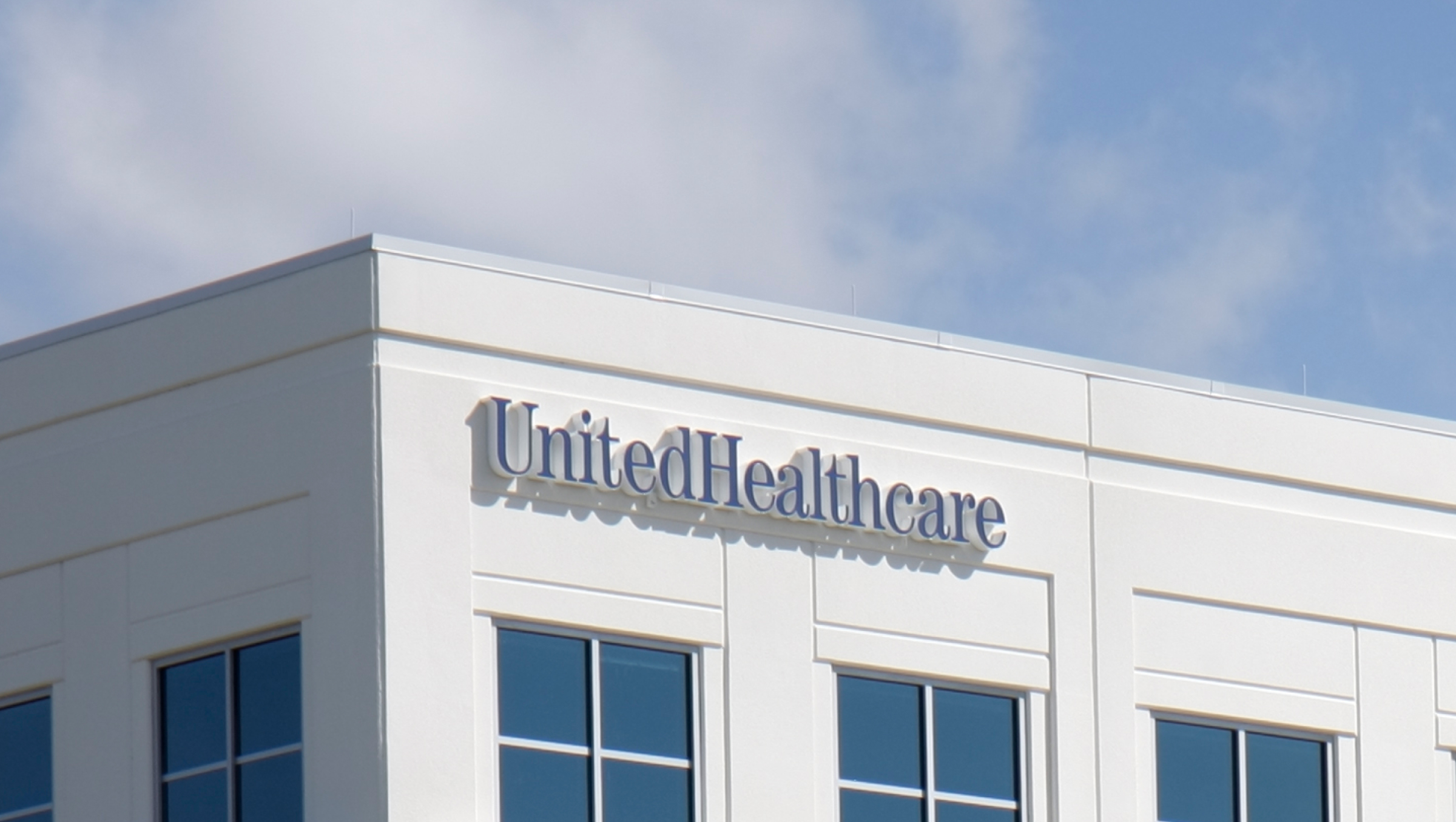
Managed care stocks tumbled following the Trump administration’s proposal on Monday evening to keep Medicare Advantage rates nearly flat in 2027.
UnitedHealth Group UNH, the largest Medicare insurer by membership, saw a 20.7% drop in share price between Monday and Tuesday afternoon, while shares for Humana HUM plummeted 22% and CVS Health CVS fell 13.3%.
The proposal, which will be finalized this spring, includes a 0.09% net rate increase, well below the 4.00%-6.00% increase analysts had forecast, which would have been in line with previous years’ increases. The announcement comes amid broader regulatory scrutiny of the healthcare industry and calls for eliminating common billing practices insurers use to assess enrollee risk based on different diagnoses.
Other Medicare Advantage insurers with more diversified revenue streams saw relatively moderate (though significant) stock price declines: Elevance ELV fell 13%, Centene CNC dropped 10%, and Molina Healthcare MOH sank 8.8%. Cigna Group CI, which lacks Medicare Advantage plans, was down 3.2%.
While the proposal caused managed care provider stocks to plunge, the broader healthcare sector only dropped 1.18% between the Monday night announcement and Tuesday afternoon, as measured by the Morningstar Healthcare index.
The past year has brought headwinds for the sector, explains Karen Andersen, a director at Morningstar who leads the equity healthcare team. 2025 began with concerns about tariffs, and even as those fears ebbed, pharmaceutical stocks were further stymied by worries about pricing pressures from the Trump administration. She says relief came at the end of September, as companies started signing voluntary agreements with the White House.
“The focus is turning to managed care, both insurance issues and how middlemen in the pharma supply … make their profits,” Andersen says. “So managed care organizations are now the industry that is most out of favor.”
Rate Cut Unforeseen by Analysts
The near-flat 2027 rate is a stark departure from the 2026 rate of 5.06% for Medicare insurers. The old figure was nearly double what the Biden administration had proposed and significantly overshot analyst expectations. Last April, the announcement caused health insurer stocks to soar, and the Wall Street Journal reported it would generate more than $25 billion in additional revenue for the MCO industry in 2026.
The Trump administration’s proposed 2027 rate would generate just $700 million for Medicare insurers, according to a press release from the Centers for Medicare & Medicaid Services. The stark difference came as a surprise to analysts, including Morningstar’s Julie Utterback, an equity research analyst who focuses on the MCO industry. “In May 2025, we incorporated lower MA margins into our models due to potential new regulations related to aggressive risk assessments in this population, but we did not anticipate a flat rate environment, as seen in this initial notice,” she says.
According to Utterback, Morningstar will maintain its fair value estimates for managed care stocks until the Medicare Advantage rate is nailed down this spring. “Investors should note this initial notice is typically not finalized until April, meaning the flat 2027 rate may rise. CMS already foreshadowed a potential 2.5% increase from this initial draft, due to expected billing trends not yet included.”
Morningstar covers seven managed care stocks—Molina, UnitedHealth, Cigna, CVS, Elevance, Centene, and Humana—all of which are currently in undervalued territory.
A Halt to Last Year’s Sector Momentum — For Now
This latest hit comes after a standout fourth-quarter performance in 2025, when healthcare led the market at the sector level. The sector underperformed for the first three quarters of 2025 as drug manufacturing companies navigated the Trump administration’s pricing demands and tariff uncertainty. As drug companies cut deals with the White House to lower prices in exchange for temporary tariff relief, healthcare caught up to the rest of the stock market, finishing the year up 14.8%, just behind the gains of the Morningstar US Market Index.
The year-end catchup was driven by biopharma firms, which includes drug manufacturers and biotechnology firms. They accounted for more than 75% of the healthcare sector’s fourth-quarter gain of 11.26%. Eli Lilly LLY was the top-contributing firm, driving 40% of the healthcare sector’s fourth-quarter gains, followed by Johnson & Johnson JNJ contributing 8.6%.
Biopharma companies contributed to 85.3% of the healthcare sector’s annual gain of 15.2% in 2025. Lilly and J&J were the top sector contributors, combining for almost half of the sector’s returns. Biopharma stocks account for 60% of the sector by weight, compared with just 10% for managed care stocks. That’s not insignificant, Andersen says. Last year, healthcare plan providers detracted nearly 16% of the sector’s returns.
The author or authors own shares in one or more securities mentioned in this article. Find out about Morningstar’s editorial policies.

 United States