
ETF or Mutual Fund: How to Decide?
Author and investment advisor Rick Ferri highlights three factors to consider when deciding which vehicle is right for you.
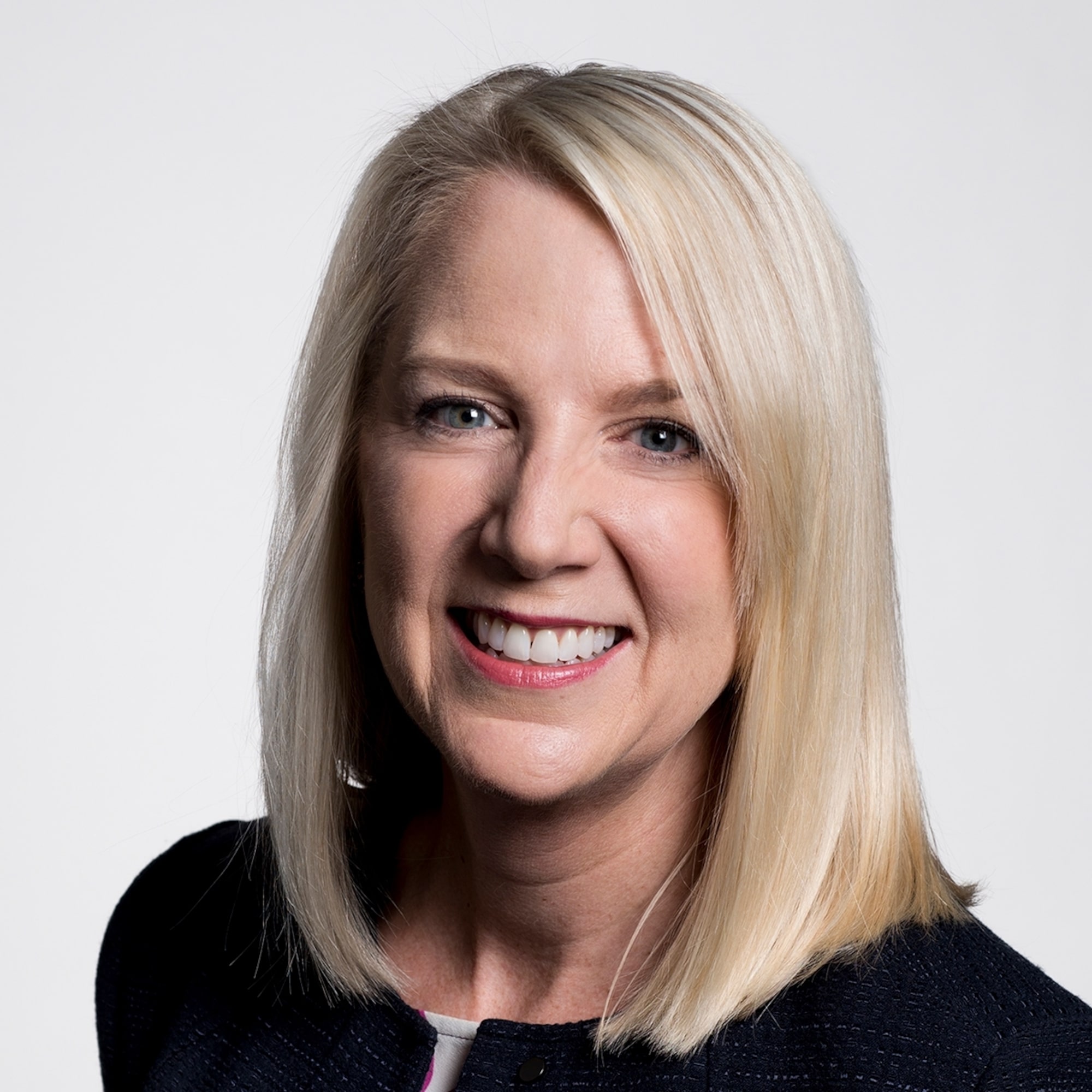
Christine Benz: Hi, I’m Christine Benz from Morningstar. I’m here at the Vanguard Diehards Forum in San Diego, and I’m here with Rick Ferri. Rick is the head of Portfolio Solutions, which is an investment advisory firm. He’s also the author of five books, including The ETF Book. So Rick, thanks for being here.
Rick Ferri: Thank you for having me. I appreciate it.
Benz: A lot of people wrestle with whether they want to buy a conventional index fund or an exchange-traded fund. How do you decide which one is right for you?
Ferri: Well, a lot of it depends on where you’re custodying or holding your investments. If you’re holding your investments directly with Vanguard, then it’s generally better to buy a conventional, open-end Vanguard index fund. But if you’re holding your investments at a brokerage firm, such as Schwab, Merrill Lynch, or Fidelity, then you’re better off buying exchange-traded funds. The reason is because the commission to buy an exchange-traded fund is significantly less money than it is to buy an open-end mutual fund, and that’s one reason. There are many other reasons. If you’re looking at the difference between open-end mutual funds and ETFs, ETFs tend to be lower cost, in general, and tend to have better tax efficiency than open-end funds. Many reasons why you should look at them both, but where you hold your assets, the fees of each fund that you’re looking at, and the tax efficiency of the fund are the three main things that you need to look at.
Benz: One thing I’ve looked at, in sort of a back-of-the-envelope way, is whether ETFs truly have been more tax-efficient than an index fund, a conventional index fund, tracking the same benchmark.
Ferri: Yes.
Benz: My back-of-the-envelope study didn’t indicate that there was a strong case for the ETFs, at least based on current data.
Ferri: One of the reasons for that is because, unfortunately, since 2000, the stock market hasn’t given us any returns, so there really isn’t any tax efficiency when you’re not really getting any return. In a time where you have a bull market and the price of stocks are going up, that is when your ETFs are going to be more tax-efficient. There’s what’s called an arbitrage mechanism within ETFs, which allows the portfolio manager to push out of the portfolio the low-cost basis stock. Remember, when the market’s going down or not doing anything, there really isn’t any low-cost basis stock, so there’s not the tax efficiency. You only see it when you have a bull market.
Benz: You generally or entirely favor low-cost investments. How does someone put together a portfolio? How do you determine what your asset allocation should be before you select those individual investments?
Ferri: Well, that’s a good question. The very first thing that you need to decide is how much you should have in stocks and how much you should have in bonds overall. You can’t get into whether you should have a little bit of international, US, or real estate. You get into those later. The very first, most important consideration is how much in stocks, how much in bonds. Once you have that, then you look at your subasset classes. You start with a total bond market index fund. You look at a total stock market index fund that covers the US market. You add a little bit of a total international stock index fund, and maybe the fourth one would be a real estate index fund. You can get these all through Vanguard.
Benz: In the current market environment, obviously, investors are very nervous, wondering what to do. What is your counsel to clients or whoever might call you up and say, “I’m panicked. How should I position my portfolio?”
Ferri: Well, my clients aren’t panicked because they’re positioned correctly already. You have to assess what your asset allocation should be in anticipation of a market downturn. You can’t anticipate when you’re putting your portfolio together that the market’s going to go up all the time. The worst thing that you can do is put together a portfolio that’s too aggressive for your personality. Everybody is brave in a bull market, and you only find out your true tolerance for risk when the market goes down. You have to think hard about what are you going to do if the market goes down? If you are going to panic, then you shouldn’t have that much stock to begin with. If you do that upfront, you will save yourself an awful lot of headache later.
The author or authors do not own shares in any securities mentioned in this article. Find out about Morningstar’s editorial policies.

 United States