
JPMorgan: Increasing Fair Value Estimate, But Shares Still Look Expensive to Us
Aggressive tech investment and impressive capital allocation suggest continued outperformance.

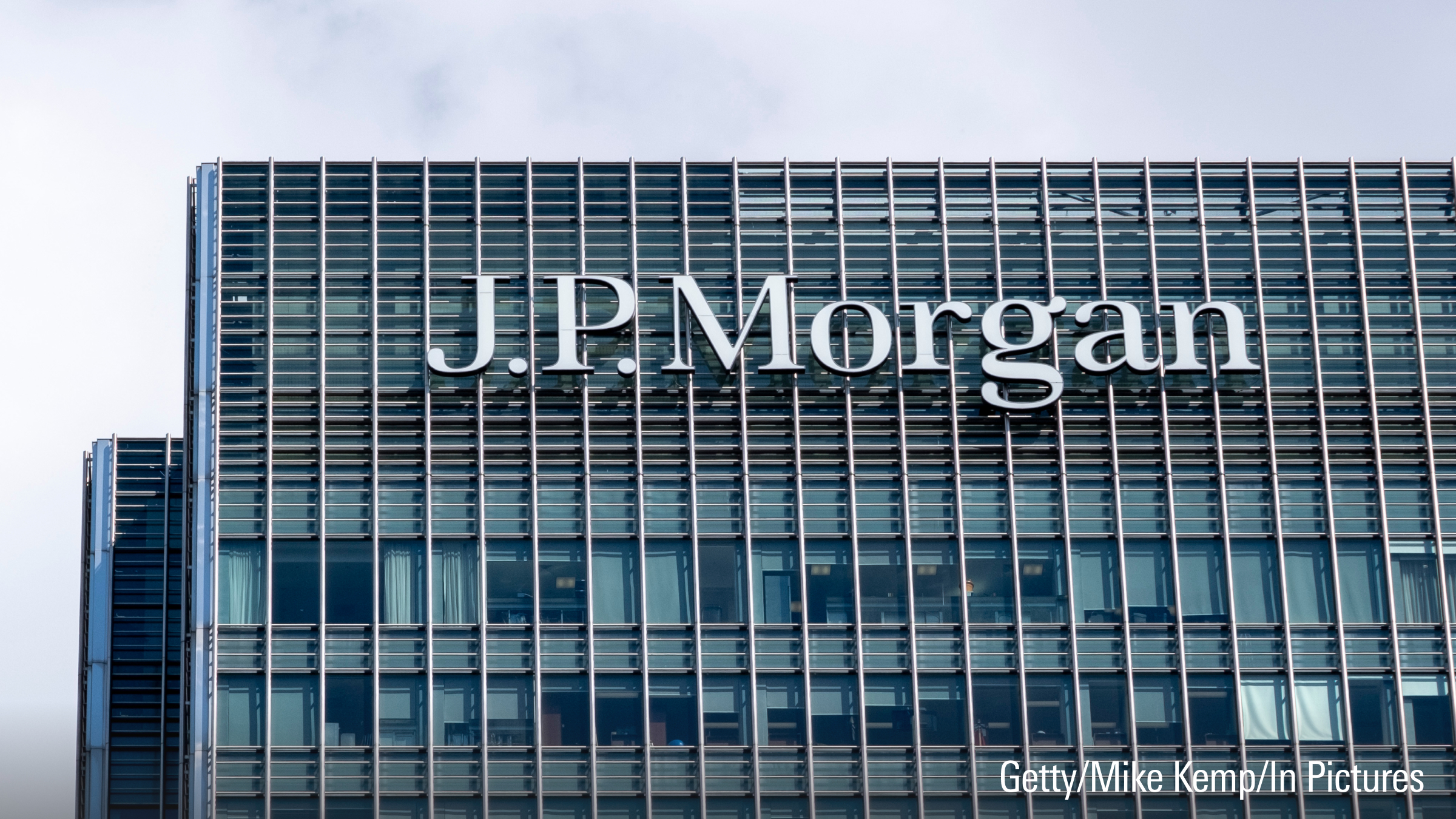
JPMorgan JPM is arguably the highest-quality bank in our coverage, and the bank has gone from strength to strength in the past decade. Our valuation reassessment is a reflection of the bank’s strengthened competitive positioning, prudent capital investments, and improved profitability potential.
Why it matters: The bank has gained market share in several of its core businesses over the past 15 years and now has an enviable competitive position, deepest capability set, the most expansive geographical footprint, and most importantly, an unmatched economy of scale among US banks.
- The bank has grown its tangible book value per share at twice the rate compared with its peers (BAC, C, WFC, GS, and MS) since 2005. We think that the bank’s aggressive tech investment and impressive capital allocation have set it up for continued outperformance.
The bottom line: We are increasing the fair value estimate for wide-moat-rated JPMorgan to $235 per share from $195 per share, after incorporating more optimistic forecasts that reflect our updated views on the bank’s long-term growth and profitability potential.
- Shares are still 25% overvalued, and we think that the market is being overly optimistic by extrapolating the strong results in recent years. We do see a scenario where EPS grows faster than projected in the near term, but in our opinion, there are more risks to the downside.
- To reach the current market value within our DCF model, our future profitability, efficiency, and balance sheet growth projections would have to be substantially higher, which we think is unlikely given the currently elevated levels.
Key stats: We project a midcycle return on tangible equity of about 18.5% for the bank (on 13.5% CET1 ratio), which is higher than management’s 17% ROTE guidance.
- Our loan growth projections approach 5% when interest rates decline. We forecast an 8.3% EPS CAGR for the bank over the next decade, resulting in a 52% midcycle efficiency ratio.
The author or authors do not own shares in any securities mentioned in this article. Find out about Morningstar’s editorial policies.

 United States