
Airlines: Fuel Price Spike Could Mar Spring Results
If fuel costs stay high for a while, marginal demand from the price-sensitive leisure travel business could shrink.

Since the United States and Israel launched an attack on Iran on Feb. 28, with Iran then pledging to close the Strait of Hormuz to petroleum shipments, market prices for crude oil and other distillates like kerosene and heating oil have risen 12%.
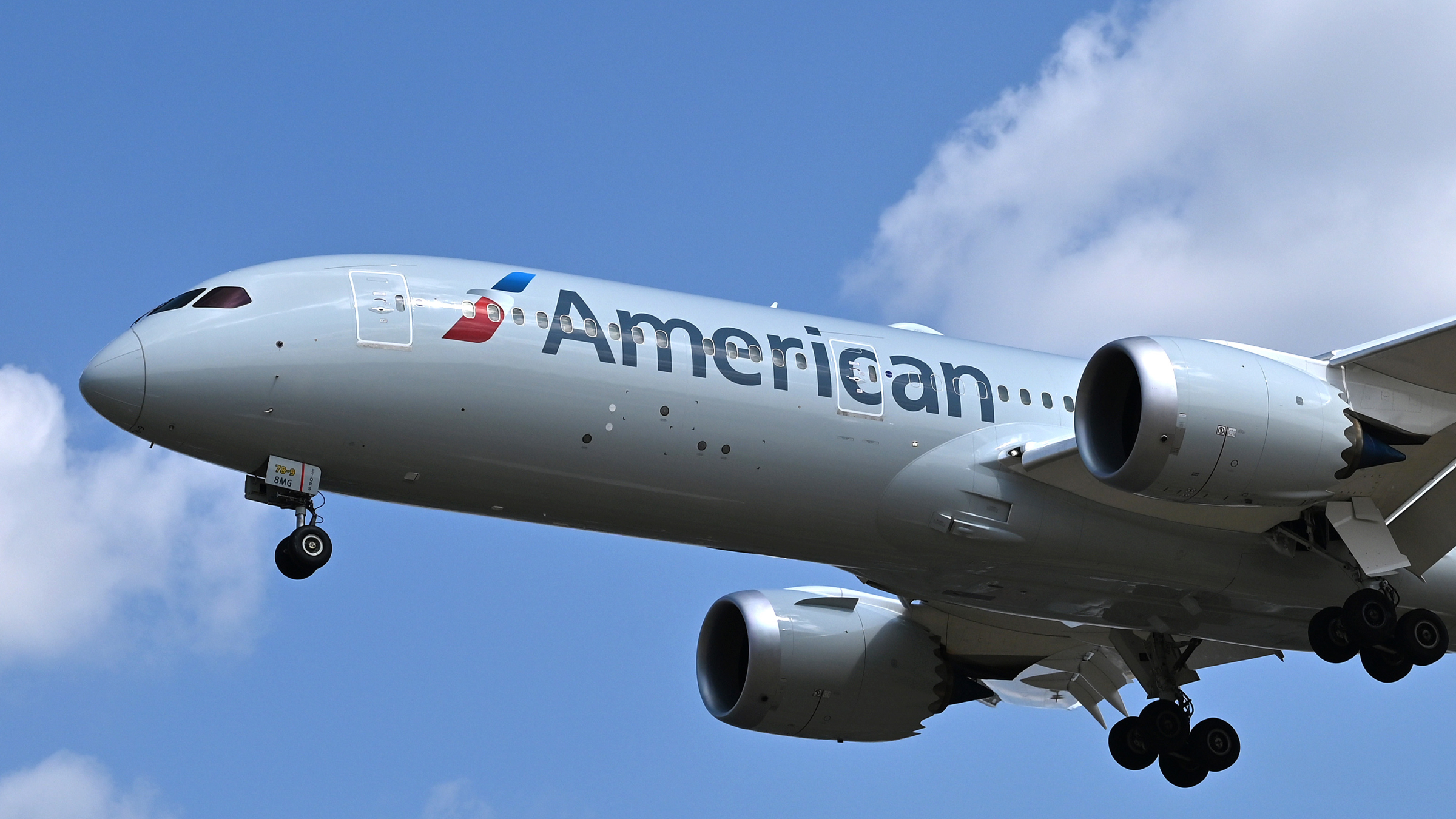
Why it matters: Fuel accounts for 20%-25% of airlines’ unit costs. Fuel has been cheap recently, amounting to 22% of the cost per available seat mile in the example of American Airlines. In 2022-23, fuel prices were higher, accounting for 27% of unit costs.
- For an airline averaging low-single-digit operating margins, unanticipated jumps in fuel price, all else equal, could erase any profit. By the same token, unanticipated easing of fuel costs can be a temporary boon.
Big picture: The problem airlines have with any spike in fuel prices is that they must fuel airplanes at a higher cost than they anticipated when they sold their tickets. Airlines sell most tickets weeks in advance, and they refer to the forward fuel cost curve. Even if they don’t buy financial hedges, they routinely hedge anticipated fuel prices into ticket prices.
- It’s important to remember that competing airlines generally see the same fuel costs at the airports they serve, and they have very similar math for reflecting forward fuel cost into their prices.
- If fuel costs stay high for a while, as airlines pass them into ticket prices, marginal demand from the price-sensitive leisure travel business could shrink.
The bottom line: We expect March to hit airlines’ profitability due to the unanticipated jump in fuel prices. They will adjust their future ticket prices as soon as possible to reflect updated fuel price expectations, potentially keeping them higher for a while.
- We haven’t altered our forecasts for the no-moat airlines we cover. Major US airlines’ shares have traded down 2%-5% this week. We see American’s shares as 16% undervalued (though with Very High uncertainty), United and Southwest as 6% overvalued, and Delta as 37% overvalued.
Editor’s Note: This analysis was originally published as a stock note by Morningstar Equity Research.
The author or authors do not own shares in any securities mentioned in this article. Find out about Morningstar’s editorial policies.

 United States