
After Earnings, Is Coca-Cola Stock a Buy, a Sell, or Fairly Valued?
Looking at increased organic sales, here’s what we think of Coca-Cola stock.

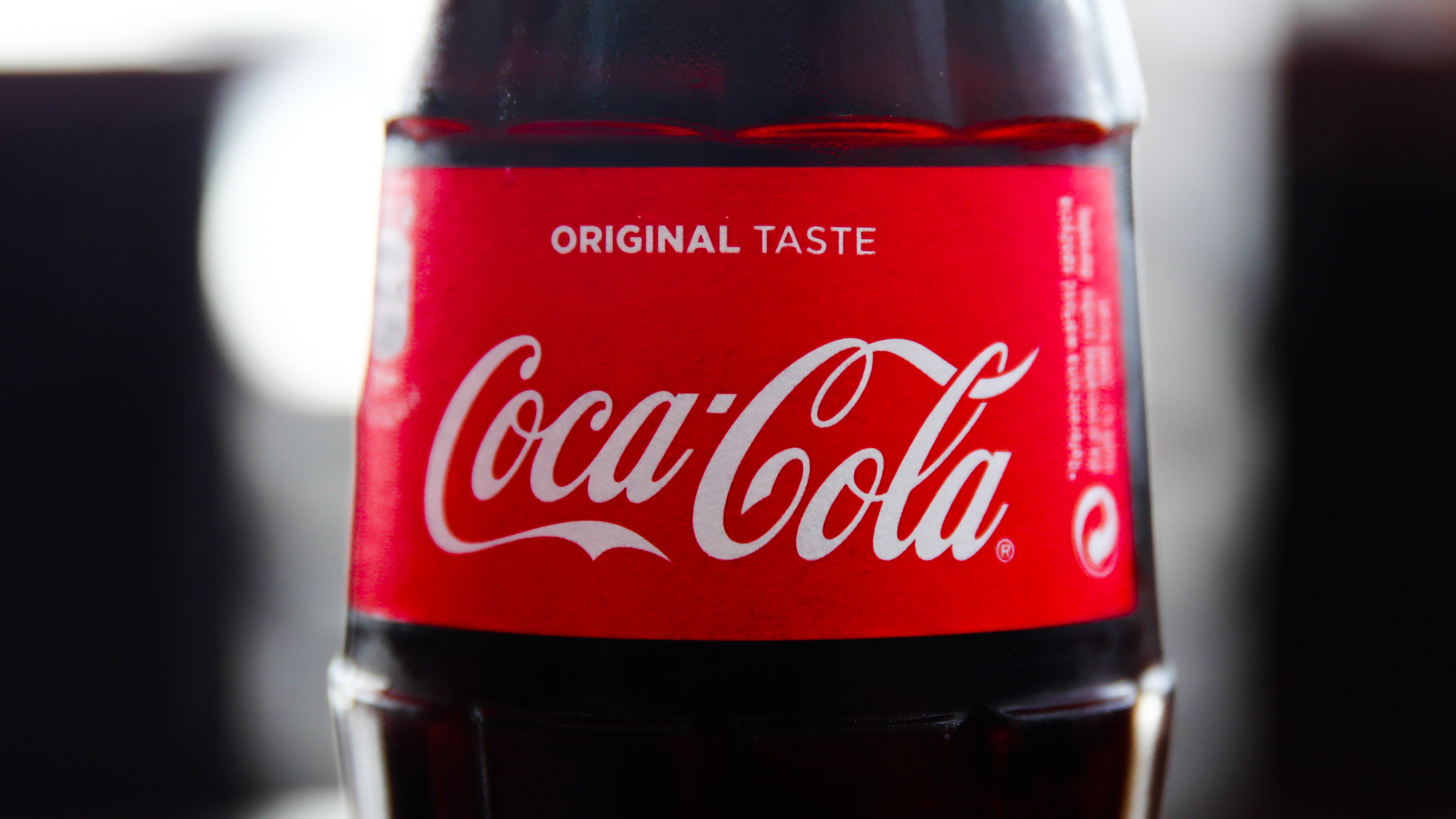
Coca-Cola released its second-quarter earnings report on July 22. Here’s Morningstar’s take on Coca-Cola’s earnings and stock.
Key Morningstar Metrics for Coca-Cola
- Fair Value Estimate: $69.00
- Morningstar Rating: ★★★
- Morningstar Economic Moat Rating: Wide
- Morningstar Uncertainty Rating: Low
What We Thought of Coca-Cola’s Q2 Earnings
Coca-Cola increased organic sales by 5% in the first quarter as a 6% price mix more than offset a 1% volume fall. Adjusted operating profit rose 15% as operating margin expanded 190 basis points to 34.7%.
Why it matters: Despite macro, geopolitical, and weather headwinds, Coke delivered organic revenue growth across all major geographies, given its focus on healthier recipes, flavor and packaging innovations, and effective in-market execution.
- Double-digit volume growth in Coca-Cola Zero Sugar and Fairlife exemplified the lift from the firm’s sharpened focus on beverages with low calories and nutritional benefits. Innovation in categories such as prebiotic soda, vitamin-infused tea, and coffee should also fuel volumes.
- Even as Coke prudently invests in affordability to preserve the value proposition of its brands for the longer term, we expect the firm to deliver a 4% price increase for 2025 on favorable product and channel mix.
The bottom line: We plan to raise our $69 per share fair value estimate for wide-moat Coca-Cola by a low-single-digit percentage on slightly better margins and easing foreign currency headwinds. We view shares as fully valued.
- Despite the volume dip in the June quarter, given weakness in Mexico (macro headwinds) and India (early monsoon and geopolitical conflicts), we see a positive trajectory for 2025 as Coke’s innovation slate and consumer engagement initiatives are set to drive a volume rebound in the second half.
- We attribute first-half margin expansion to efforts on input cost containment and tighter discipline in marketing (in content creation and distribution). Even with commitments to investing in capacity, branding, and channels, we expect the margin outlook to remain favorable in coming quarters.
Fair Value Estimate for Coca-Cola
With its 3-star rating, we believe Coca-Cola’s stock is fairly valued compared with our long-term fair value estimate of $69, which implies a 23 times multiple against our adjusted 2025 earnings estimate and a 2025 enterprise value/adjusted EBITDA multiple of 19 times.
Coca-Cola posted 6% organic sales growth in the first quarter on a 5% price mix increase. Despite a weaker macro backdrop, Coke increased sales across all regions, which we attribute to its focus on zero-sugar recipes, flavor and packaging innovations, and responsive in-market execution. Adjusted operating margin widened 140 basis points to 33.8% on selling and labor expense leverage.
Read more about Coca-Cola’s fair value estimate.
Economic Moat Rating
We believe Coca-Cola has built a wide economic moat around its global beverage operations based on strong intangible assets and a significant cost advantage that will enable the company to deliver excess investment returns above its cost of capital over and beyond the next 20 years. We have modeled the company to generate returns on invested capital, including goodwill, that average in the high 30s throughout our 10-year explicit forecast, comfortably surpassing our estimate of its weighted average cost of capital at 7%.
As the world’s best-known beverage company, Coca-Cola owns a strong portfolio of storied and iconic brands that resonate with consumers around the world, making its products the beverage of choice on both at-home and away-from-home consumption occasions.
Read more about Coca-Cola’s economic moat.
Financial Strength
We believe Coca-Cola has a strong balance sheet and ample liquidity to weather macroeconomic volatilities and invest for long-term growth. The company had $12 billion in cash and short-term investments on its balance sheet as of March 2025, $4.2 billion in backup lines of credit for general purpose use, and a well-established commercial paper program in the US enabling the firm to consistently access short-term funding at low rates.
Leverage is manageable, with net debt/adjusted EBITDA at 2.0 times in 2024, within its long-term target of 2.0-2.5 times. We expect the metric to hold at low levels in the coming years.
Read more about Coca-Cola’s financial strength.
Risk and Uncertainty
We assign a Low Uncertainty Rating to Coca-Cola. We view close bottler relationships as crucial to its business model and return profile, but in periods of high inflation, these relationships could be pressured, as bottlers tend to bear the brunt of cost increases. This is less of an issue in the United States, where local bottlers are small and have limited bargaining power, but in emerging markets—which hold the key to healthy volume growth—Coca-Cola faces much larger bottlers, such as Arca Continental and Coke Femsa, that are likely in a better position to negotiate.
Non-alcoholic beverage demand tends to be resilient through economic cycles. However, Coke has high exposure to international markets (over two thirds of both revenue and profits) that leads to stepped up volatility within its operations—resulting from shifting macroeconomic and regulatory landscapes, currency fluctuation, and geopolitical risks—compared with domestically focused peers. The international experience of management combined with bottler collaboration globally can help the firm tackle these challenges.
Read more about Coca-Cola’s risk and uncertainty.
KO Bulls Say
- Coke can leverage strong bottler relationships in underpenetrated emerging markets to drive volume growth with classic recipes as well as new products tailored to local tastes.
- Heavy investments in a digitalized supply chain and data analytics have better aligned Coke and its bottlers in product planning, manufacturing, and go-to-market strategy.
- As Costa recovers from pandemic-related disruptions, it should help Coca-Cola gain a firmer footing in the coffee category and provide more consumer insights, given its global footprint.
KO Bears Say
- Secular headwinds in carbonated soft drink demand in developed markets are a challenge to Coca-Cola’s long-term growth outlook.
- The company’s brand portfolio and product lineup in nonsparkling categories are less robust, and heavy investments are needed to bolster its competitive position.
- With two-thirds of revenue from international markets, Coke faces constant currency fluctuations that drive volatilities in reported earnings.
This article was compiled by James Ubi.
The author or authors do not own shares in any securities mentioned in this article. Find out about Morningstar’s editorial policies.

 United States