
An Introduction to Christine Benz’s Model Portfolios
You can use these models to see reasonable asset allocations that align with various goals.
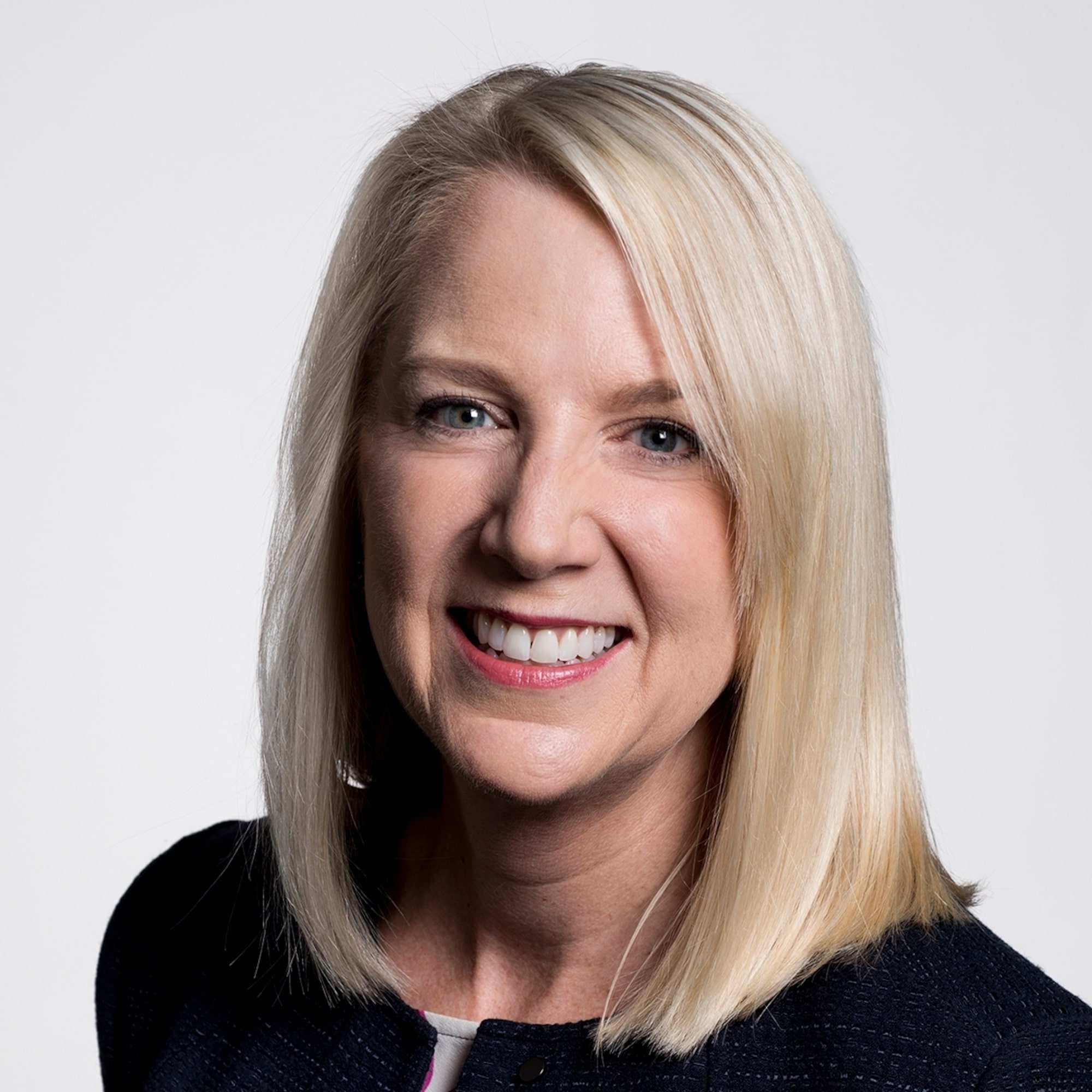
Christine Benz: Hi, I’m Christine Benz for Morningstar. I’ve noticed that many investors do a good job of selecting investments, but they struggle putting the pieces together into a portfolio that makes sense given their goals. They have too many holdings, or they build portfolios that are at odds with their capacity to take risk. To help aid in the process, I’ve created a number of model portfolios for Morningstar readers. These sample portfolios are designed to depict sensible asset allocations for investors at various life stages, and they’re populated with funds and exchange-traded funds that are favorites with our analyst team. I’ve developed them for educational purposes only. They’re not intended to be specific investment advice.
For people who are getting close to or in retirement, I’ve created Model Bucket Portfolios. These portfolios have a range of asset types, from very safe investments for daily cash flow needs to stock funds and exchange-traded funds to provide long-term growth. For people who are still saving for retirement, I’ve created Model Saver Portfolios. The Saver portfolios are generally more aggressive and stock-heavy than the Bucket portfolios. For both the Bucket and Saver portfolios, I’ve created versions that fit within tax-sheltered accounts like IRAs, as well as tax-efficient versions that are geared toward investors’ taxable accounts. I’ve also created portfolios for investors who hold their assets with specific fund companies and brokerage platforms, such as Vanguard, Fidelity, Schwab, and T. Rowe Price. While the Bucket and Saver portfolios are designed for retirement savings, I’ve also developed model portfolios for short and intermediate-term goals. Finally, I’ve created minimalist portfolios consisting of the bare minimum number of holdings.
I’m a believer in long-term strategic asset allocation, which means that you arrive at a stock-bond mix that makes sense given your proximity to your goal, then you make very few changes as your goal date approaches, except for gradually making the portfolio more conservative. That’s the approach I’ve taken with these model portfolios. I’ve used medalist funds and ETFs to populate the portfolios, and I’ll swap out any fund that is no longer a medalist. My hope is that you’ll find these model portfolios to be helpful as you build and benchmark your own portfolio. For more details on these model portfolios, please check out the articles below. Thanks for watching. I’m Christine Benz for Morningstar.
The author or authors do not own shares in any securities mentioned in this article. Find out about Morningstar’s editorial policies.

 United States