
5 Silent Investment Risks That Can Do More Damage Than a Market Crash
From holding too much company stock to ignoring tax strategy, these often-overlooked threats can undermine returns without triggering alarm bells.

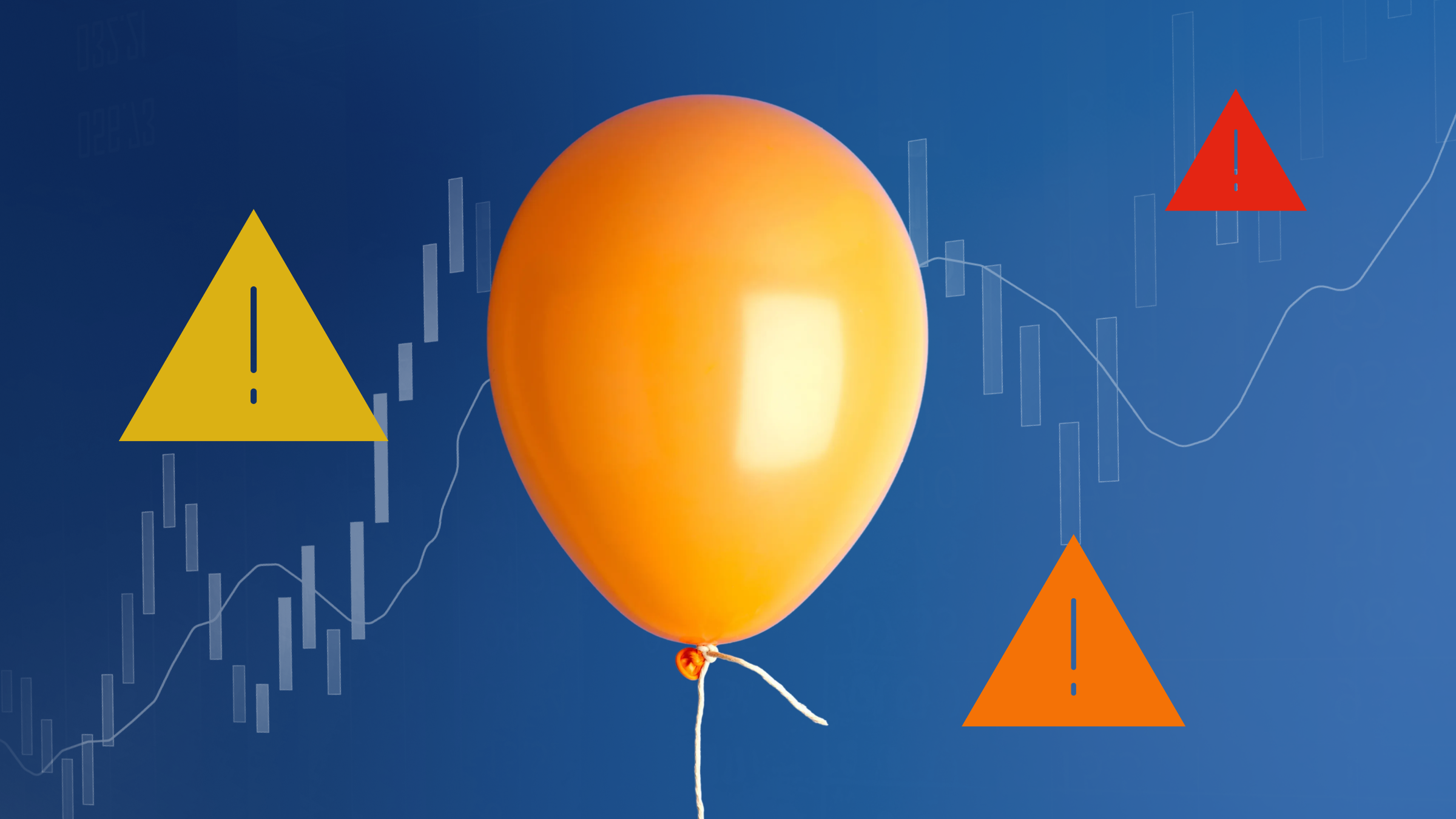
Investors tend to think of risk as market volatility or, more accurately, market downturns. While it’s true that downturns can wreak havoc on your portfolio, the biggest risks are often the ones that go unnoticed. They center around failing to make changes to your portfolio when changes are called for. Let’s take a look at the most dangerous “silent” risks.
1) Concentration Risk
Your investment portfolio might be diversified, but what about your other assets? If you work at a company that provides you with stock options or ownership, you might have significant value tied up in your employer’s stock. When you consider that your livelihood depends on the same company, that’s a lot of eggs in one basket. Maybe you want to diversify, but you’re resisting selling your company’s stock because you’ll have to pay taxes on your gains. Paying taxes is not the end of the world. As a form of compensation, you’d have to pay taxes on it anyway, and the tax cost is the price you pay for the “insurance” of diversifying.
Or maybe you have some rental properties. How material is this value compared with your investment portfolio? Are the rental properties themselves diversified, or are they all single-family residences in the same town? I’m not suggesting that you shouldn’t own rental properties, but it’s important to diversify real estate as well as ensure your real estate portfolio doesn’t dominate your other investments.
2) Tax Risk
The true value of your portfolio is its aftertax value, not the numbers you see on paper. Paying attention to taxes can make a huge difference between what your statements say and what you actually end up with. A qualified registered investment advisor can help. According to Able Wealth Management’s “The Value of a Financial Advisor: What the Research Says,” the potential tax savings from using an advisor is conservatively estimated at 1.5%.
When looking at other studies, the number could be much greater. According to Vanguard, optimal asset location (putting high-return assets in Roths, appreciating assets in IRAs, and high-income assets in IRAs) can save up to 1.1%. Vanguard estimated the savings from tax-loss harvesting at up to 1.2%. Finally, Morningstar pegged the benefit of a tax-aware withdrawal strategy at 1% to 2%. Thus, the true value of tax-aware portfolio management could be as high as 4.3%. If your expected annual return is 8%, effective tax management can be worth more than half that amount.
3) Time-Horizon Risk
The portfolio that made sense for you when you were younger might not make sense now. When you’re younger, you can ride out market volatility because you’re adding to the portfolio every paycheck and have years to recover. On the other hand, when you stop working, you are no longer adding to your nest egg. A temporary market downturn in an overly aggressive portfolio can have long-term negative consequences to your ability to maintain your lifestyle in retirement.
4) Cash Flow Risk
A smart investing strategy is not only determined by your risk tolerance and return needs; time horizon is also critical. If you’re planning to spend the money within the next several months, you shouldn’t invest in equities, which might drop just as you need to liquidate. Short-term money needs to be in money market funds or savings accounts. Long-term money (intended for retirement or something decades down the road) needs to be invested in equity-heavy portfolios. Equity investing is the primary way to achieve inflation-beating aftertax returns.
5) Inaction Risk
“Buy and hold” doesn’t mean “set and forget.” Even if you’re not trying to time the market or pick new winners every week, it’s important to pay attention to your portfolio. First, without rebalancing, your portfolio might have drifted to something with more risk than you’d like or less expected return than you need. Second, tax-loss harvesting (selling positions that have lost value and replacing them with something similar to obtain a tax benefit) is a positive action you can take when the market dives. Finally, be sure to periodically revisit your investment choices and allocation strategy to ensure they’re all still appropriate.
What is the best thing about these investment risks? Unlike market downturns, you can take action to mitigate them.
The author or authors do not own shares in any securities mentioned in this article. Find out about Morningstar’s editorial policies.
The opinions expressed here are the author’s. Morningstar values diversity of thought and publishes a broad range of viewpoints.

 United States