
5 Financial To-Dos Before the End of 2025
Set yourself up for success as the year winds down.
Key Takeaways
- The main benefit of rebalancing comes in the realm of risk reduction.
- For people who are still working and saving for retirement, I think their main consideration should be in the realm of their US relative to non-US allocation.
- For people who are over age 73 that need to take the required minimum distributions, there’s an opportunity to pull your appreciated securities and use those to help meet your rebalancing.
- In the midst of open enrollment season, you should shop it around rather than kind of fall back on whatever you did last year. Take stock of your situation, what has changed in your situation, what has changed in the plans on offer.
- People who are age 70 and a half and above who are charitably inclined can use a qualified charitable distribution to satisfy their required minimum distribution.
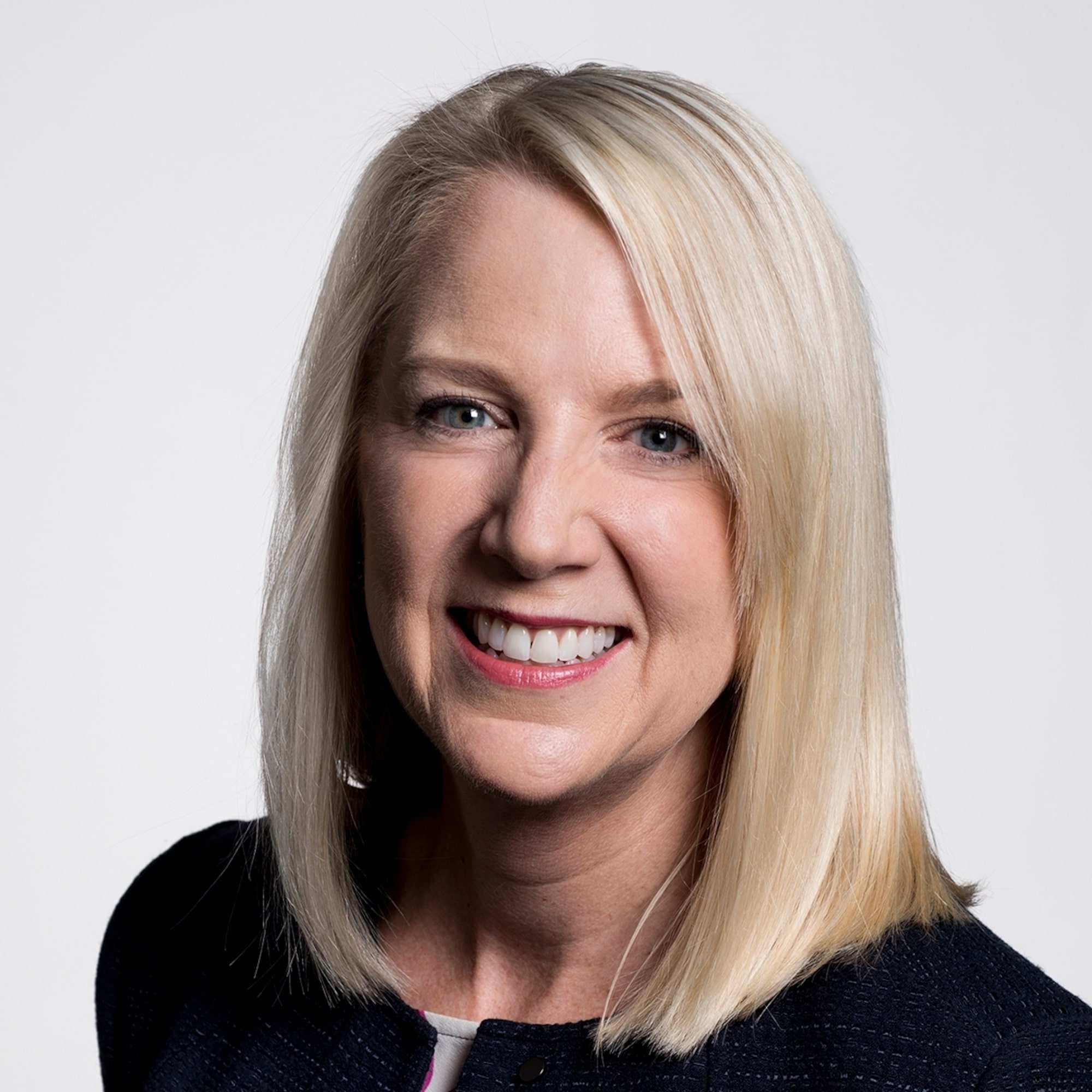
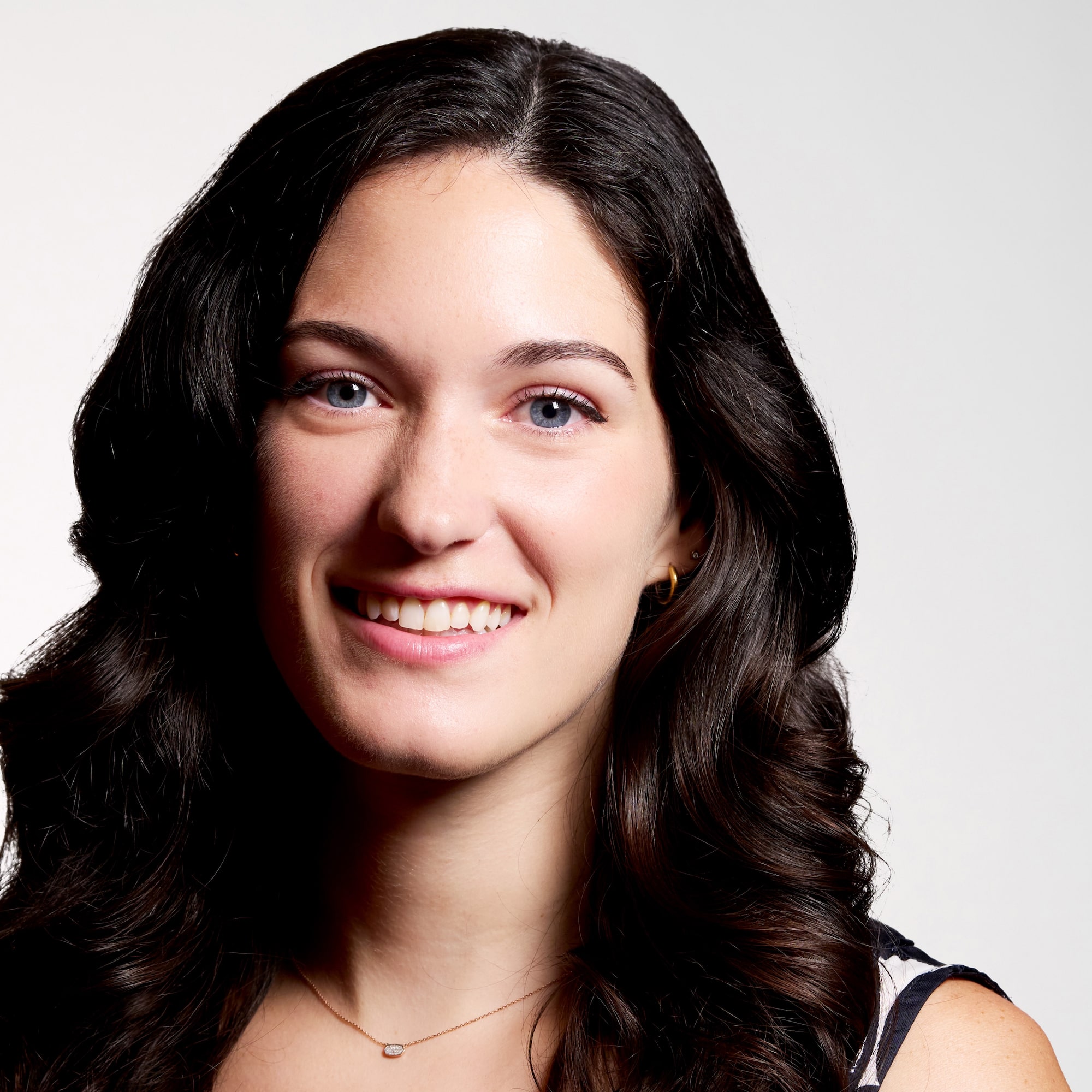
Margaret Giles: Hi, I’m Margaret Giles from Morningstar. As 2025 winds down, Morningstar’s Christine Benz has some ideas about steps you can take to finish the year strong, at least from a financial standpoint. Christine is Morningstar’s director of personal finance and retirement planning, and co-host of The Long View podcast. Christine, thanks for being here.
Christine Benz: Margaret, great to see you.
Benefits of Rebalancing Your Portfolio
Giles: So, your first to-do relates to portfolio management. You think that most investors are likely due, or perhaps overdue, to rebalance. So let’s talk about what the benefits are and who most needs to rebalance their portfolios.
Benz: Right. The main benefit of rebalancing comes in the realm of risk reduction. Researchers have looked at whether there’s any potential return enhancement through rebalancing, maybe with some types of strategies. But the main benefit is that you are stripping back on securities that have performed really well for your portfolio, presumably those are the ones that have higher valuations today. You’re getting into securities that are—you’re putting the money back into securities where perhaps returns haven’t been as robust, but valuations might be more attractive. And it’s also important to kind of rebalance on an ongoing basis as you get closer to whatever your spending target is.
So as we age, as we get closer to retirement, well, we’re going to need to spend that money at some point. And so you want to take risk out of your portfolio for that reason, too. You want to build a bulwark of safer assets. So that’s the cohort who I think really needs to take notice of rebalancing today. The people who are age 50 and above, they’ve enjoyed great equity gains, really since the global financial crisis in the late 2000s. And so it’s time to take some winnings, put some money into safer assets. And build yourself a bulwark of safer assets that you could pull from if you needed to start spending from your portfolio, perhaps earlier than you expected, you would have that complement of safer assets. And another benefit of moving some money into high-quality bonds today, especially, is that yields are pretty attractive today. They’ve come down a little bit, but nonetheless, they’re pretty attractive, certainly relative to where they were a couple of years ago. So it’s not like you’re leaving all kinds of money on the table. By taking a little bit of risk out of equities and moving it to safe investments with better yields.
Why Investors Saving for Retirement Should Check Their International Allocation
Giles: Right. So protecting that nest egg a little bit there. So you also have a to-do for people who are still working and saving for retirement. So what is it?
Benz: Right. They should look at rebalancing, too. But I think their main consideration should be in the realm of their US relative to non-US allocation. Most investors of all age bands are pretty underallocated relative to that international allocation of the global market cap. So that’s roughly a third of the global market cap today. It’s a rare investor I encounter who has a third of his or her equity portfolio in international stocks. So look at that, look at your style box diversification. It may be tempting to stuff it all into US large growth, which has performed really well. But look at some of the unloved parts of the style box. Small-cap value, for example, hasn’t performed especially well for quite a while now. You might want to give that portion of your portfolio a little bit of a boost.
And then also look at how you are doing with respect to your contributions for the year to date. So the year is winding down very quickly, but you may have an opportunity to boost your company retirement plan contributions to help increase and maybe even max out your company retirement plan contributions for the year to date. So we’ve seen those go up a little bit over the past few years to keep pace with inflation. There are also catch-up contributions that come into play for people who are over 50. There are special catch-up contributions that are available this year for people who are between 60 and 63. So definitely look at whether you are contributing as much as you possibly can to those accounts, you may be able to increase your contributions before the year winds down. You do have a little bit more time to make an IRA contribution, and same goes for a health savings account contribution. That’s typically the tax filing deadline.
How You Can Use RMDs to Help With Rebalancing
Giles: Right. So, the next job on your checklist here applies to people who are over age 73. They need to take the required minimum distributions from their tax-deferred accounts. So you think there’s a good opportunity to tie this in with rebalancing. Can you explain that connection?
Benz: I do. So these required minimum distributions are a nonnegotiable in that, even though the penalties have lightened up a little bit over the past few years, you still don’t want to mess with them, so you have to take your RMDs on time. People hate their RMDs, especially like Morningstar.com readers and viewers, but I would say that there’s an opportunity to tie rebalancing in and just pull your appreciated securities, use those to help meet your rebalancing. So you’re taking risk out of your portfolio, you are satisfying the IRS’ obligations, and you’re potentially also liquefying some assets to supply your cash flow needs for the following year. So it can be kind of comforting to know, well, I don’t know what’s going to happen to my portfolio in 2026, but I know that I have this allocation of cash that I should be able to spend if I need it. So think about using those RMDs to make your portfolio a little better.
Why Investors Should Check Their Insurance Coverage
Giles: I like that two-bird, one-stone approach. So your to-dos don’t just apply to portfolio management. You also think it’s a good time to look at insurance coverage. Let’s talk about that.
Benz: Yeah, so we’re in the midst of open enrollment season for people who are covered by employer-provided healthcare plans. We’re also in the midst of open enrollment for Medicare, people who are enrolled in Medicare. So the main message is shop it around. Don’t just kind of fall back on whatever you did last year. I know it can seem super tempting. It’s a busy time of year. Take stock of your situation, what has changed in your situation, what has changed in the plans on offer. And this is particularly important for employer-provided plans. Typically, employers are changing up what they’re offering. The cost of insurance is changing every year. One thing I would call out is that for many married couples, the path of least resistance had been just using whomever had the best plan at the most affordable rate. Oftentimes, it can make sense for partners to kind of shop their own company’s plans and maybe be covered by their own company’s plans. That can often be more cost-effective than going on one partner’s plan. So, just review that if you have been in the habit of just using a single partner’s plan. You may want to take a look at whether your own coverage may be more cost-effective for you.
How Qualified Charitable Contributions Can Help With RMDs
Giles: Right. So, your final to-do relates to charitable giving. You think there are opportunities like RMDS to tie this in with your portfolio and perhaps even taking some risk out of it. Can you discuss that a little bit?
Benz: Right. So, for people with highly appreciated holdings in taxable accounts, they’d want to look at giving those appreciated assets either directly to charity or send them to a donor-advised fund, and then you can make disbursements from the donor-advised fund to charities, and you can do that in subsequent years. You don’t have to do it all in this year. So the benefits are fabulous of doing that because you’re getting that highly appreciated asset out of your portfolio. Again, you may be taking some risk out of your portfolio. You’re also getting the tax liability associated with that holding out of your portfolio. If the funds go to charity, you won’t owe taxes on them. And then you can also get a tax deduction. So that’s a strategy to consider for people who have highly appreciated holdings in their taxable account.
For people who are age 70 and a half and above, who are charitably inclined, an idea to consider is to use the qualified charitable distribution. And this is a mechanism that allows you to take a portion of your IRA, and I think in 2025 it’s up to $108,000 of your IRA, and send that to the charity or charities of your choice. And the value of that is that that amount that is going to charity is not taxable to you, and it will also satisfy your required minimum distribution. If you’re over 73 and you are subject to RMDs, it will satisfy your RMD. If you’re not yet subject to RMDs, so you’re between 70 and a half and 73, will it at least shrink the amount of your IRA that is going to be subject to RMDs? So there’s a lot of value to looking at this mechanism if you’re charitably inclined. It’ll tend to beat other strategies of charitable giving for people who are in this position.
Giles: All right. So 2025 is very quickly drawing to a close. Helpful things to think about. Thanks, Christine.
Benz: Thank you so much, Margaret.
Giles: I’m Margaret Giles with Morningstar. Thanks for watching.
Watch These 4 Strategies Can Reduce Your RMDs for more from Christine Benz and Margaret Giles.
The author or authors do not own shares in any securities mentioned in this article. Find out about Morningstar’s editorial policies.

 United States