
It's been illegal to make women have a man co-sign their loans since the '70s. Now the Trump administration could change that.

By Aarthi Swaminathan
Proposed changes to a rule barring banks from discriminating against certain borrowers are 'alarming,' and a 'step backwards,' consumer advocates say
The Consumer Financial Protection Bureau, a federal watchdog for consumers, wants to narrow how it enforces the Equal Credit Opportunity Act, a 1974 law.
The Trump administration wants to scale back a 50-year-old rule designed to stop financial institutions from discriminating against certain borrowers, especially women and racial minority groups.
The Consumer Financial Protection Bureau, a federal watchdog for consumers, proposed a major change to existing federal rules in mid-November. The bureau wants to narrow how it enforces the Equal Credit Opportunity Act, a 1974 law.
The proposed changes are mired in jargon, but the potential impact is clear enough to spook many consumer advocates and everyday citizens. The Trump administration is seeking three changes, according to David Silberman, who was previously a top official at the CFPB. The rule change would narrow the definition of what constitutes illegal discrimination, which would make it harder for consumers to prove discrimination happened; it would allow lenders to target advertisements to specific consumers to apply for loans; and it would discourage lenders from offering special loans to any specific groups, such as lower-interest loans for marginalized communities.
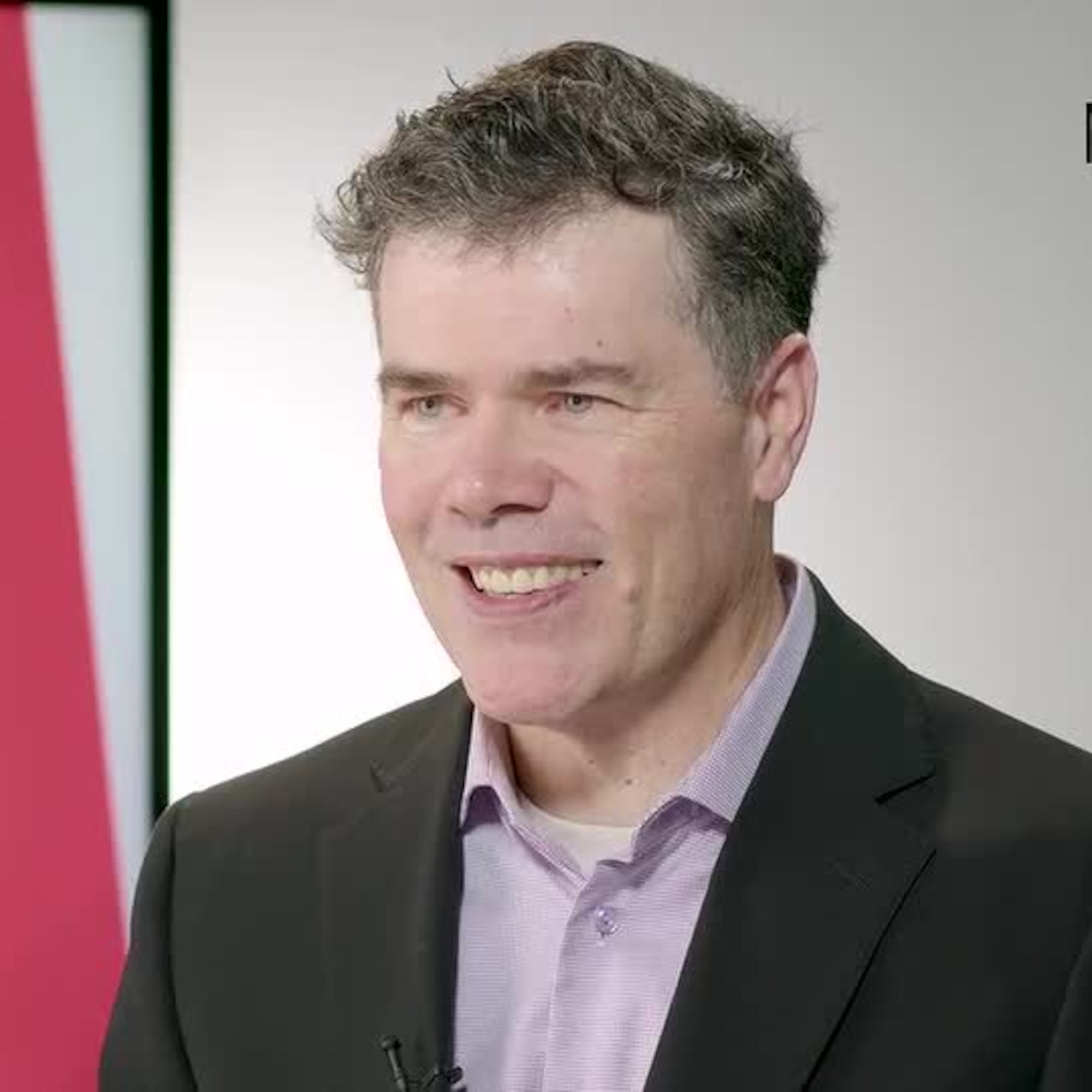
If the rule change goes into effect and is not challenged in court, "this would be a large step backwards from the goal of trying to have a more equal lending environment," Silberman, who is now a senior fellow at the Center for Responsible Lending, told MarketWatch.
"It is a direct attack on something that I think most Americans believe is important," which is opposing discrimination, Adam Rust, director of financial services at the Consumer Federation of America, told MarketWatch.
The proposed changes are "stunning and blunt," he added.
What the CFPB wants to change
Congress enacted the landmark Equal Credit Opportunity Act in 1974, and since then, the law has prevented banks from refusing to offer car loans or mortgages to specific groups, such as women, Black people or Native Americans.
The ECOA's enactment made it illegal for lenders to refuse to lend to certain groups, or charge them higher interest rates because of their race, color, religion, sex or other protected status. For instance, prior to 1974, banks could require a husband's permission when a woman wanted to open a bank account, or apply for a credit card.
One commenter on social-media site Reddit recounted how before the Equal Credit Opportunity Act became law, they had to get their dad to sign paperwork to "allow" them to open a bank account in their own name after they began their first full-time job at 19. Even after they got married and applied for a credit card, the husband had to sign the application, with the commenter relegated to being an authorized user. "It didn't matter how old you were or what type of job and income you had, [you] were treated like an incompetent child," the person said.
The ECOA and subsequent amendments established that no person applying for credit can be denied based on things that have nothing to do with their creditworthiness.
Half a century later, the Trump administration is trying to roll back that progress, advocates say. They are particularly alarmed about certain groups possibly ending up paying more for loans than their peers - a daunting prospect today given the cost of living crisis among the nation's middle- and lower-class.
The morning after the CFPB's comment period on the proposed rule change closed on Dec. 15, more than 40,000 comments had been submitted by the public - from consumer advocates and community banks to consumers - some of whom submitted anonymous responses in just 30 days. Giving the public 30 days to comment was relatively short, considering the potential impact of the change, the CFA's Rust said. The number of comments that were submitted during the holiday season is a testament to how important people consider the proposed changes to be, he added.
One of the anonymous comments said that the CFPB rule change will hurt women. "My grandmother struggled to make ends meet when her husband died in a mining accident, making her a widow with three kids still in grade school," the person wrote. "The widows, single women, women trying to escape abusive relationships will all be hurt by this proposed change."
The person also explained why they were leaving the comment anonymously. "I am ashamed of the fact that the country is heading in a direction where I do not feel safe to leave my name on this comment, because those in power attack those who object," they said.
"My mom was a 30-year-old widow in 1968 and had cash in hand to buy a car, but multiple dealerships wouldn't sell to her because she didn't have a man with her," another anonymous commenter wrote. "You think we're not paying attention, but we are."
The National Consumer Law Center was among the consumer advocacy groups that submitted a comment.
"This rule would invite discrimination to persist in the credit market and create barriers to economic stability and advancement for individuals, families and whole communities," Jeremiah Battle, Jr., a senior attorney at the NCLC, said in a statement.
In an interview with MarketWatch, Battle said that if the CFPB succeeds in changing the Equal Credit Opportunity Act, it will be easier for lenders to redline certain communities, or target certain communities with high-cost, predatory loans. Redlining refers to the practice of a lender refusing to give someone a mortgage because they live in an area deemed to be risky; the practice frequently affected Black homeowners and had lasting negative effects on home values. Battle advocated for the rule to be withdrawn.
Why the CFPB proposed the rule change
The CFPB said it proposed the change to "reduce burden" for lenders, which will allow them to then potentially pass on savings to consumers by offering lower prices or better products. The CFPB did not respond to a request for comment.
Lending groups who submitted comment letters, such as the GoWest Credit Union Association, supported the CFPB's proposed rule change, saying it would "significantly reduce unnecessary regulatory burden while preserving fair lending objectives." Another group, the Independent Community Bankers of America, said that the rule change would "reduce regulatory uncertainty and protect community banks from costly litigation" which is "particularly important for smaller banks, which face disproportionate costs from complex fair lending rules."
The American Bankers Association also supported the changes.
What the rule changes entail
There are three particular situations when the changed ECOA rules could impact the average person: when they apply for a mortgage, when they apply for a credit card, or when they apply for a student loan.
Under the proposed rule change, lenders may no longer be able to offer 0%-down mortgages aimed at helping minority first-time home buyers, or reduced fees and lower credit-score requirements for minorities, women or veterans seeking mortgages.
Lenders may also say it's not profitable to offer certain mortgages to certain communities, which is a form of redlining. The changed rule could allow a mortgage lender to actively discourage potential applicants on the basis of where they live or seek to live. In one case the CFPB brought against a lender - which was later dismissed - it alleged that the lender had discouraged prospective applicants who were Black from applying for mortgages.
Related: 3 shady tactics used during the 2008 housing crisis could be making a comeback
Silberman and Rust also noted that changing the rule could allow lenders to factor seemingly random variables into their financial products, such as students' SAT scores into student-loan approvals, which have nothing to do with the individual's creditworthiness.
"Those aren't sensible business decisions," Rust said, but institutions still design these policies that inadvertently cause negative impacts for consumers. As algorithms with tens of thousands of data inputs evaluate a person, rather than simply their ability to repay a loan, measuring the outcomes - and policing them to make sure that they don't harm specific groups - will be harder, he added.
What consumer advocates are worried about
Overall, the CFPB's proposed changes amount to a monumental shift in how America has policed discriminatory lending, from car loans to mortgages to student loans.
"I don't think you can overstate how alarming this policy is," Rust said.
The proposed rule change had received nearly 41,000 comments as of Wednesday at 9:30 a.m. Eastern. "To go from proposal to final in less than 60 days... to upend 50 years of fair-lending law in 50 days - that's what they're very possibly about to do," he added. The change could be finalized before the year ends, he added.
What personal-finance issues would you like to see covered in MarketWatch? We would like to hear from readers about their financial decisions and money-related questions. You can write to us at readerstories@marketwatch.com. A reporter may be in touch to learn more. MarketWatch will not attribute your answers to you by name without your permission.
-Aarthi Swaminathan
This content was created by MarketWatch, which is operated by Dow Jones & Co. MarketWatch is published independently from Dow Jones Newswires and The Wall Street Journal.
(END) Dow Jones Newswires
12-18-25 1102ET
Copyright (c) 2025 Dow Jones & Company, Inc.The articles, information, and content displayed on this webpage may include materials prepared and provided by third parties. Such third-party content is offered for informational purposes only and is not endorsed, reviewed, or verified by Morningstar.
Morningstar makes no representations or warranties regarding the accuracy, completeness, timeliness, or reliability of any third-party content displayed on this site. The views and opinions expressed in third-party content are those of the respective authors and do not necessarily reflect the views of Morningstar, its affiliates, or employees.
Morningstar is not responsible for any errors, omissions, or delays in this content, nor for any actions taken in reliance thereon. Users are advised to exercise their own judgment and seek independent financial advice before making any decisions based on such content. The third-party providers of this content are not affiliated with Morningstar, and their inclusion on this site does not imply any form of partnership, agency, or endorsement.
Popular

The 10 Best Companies to Invest in Now
14 Elite Funds and ETFs, and 5 Popular Funds That Just Missed the Mark

The Top Funds for a Simpler Retirement Portfolio

The 10 Best Dividend Stocks


 United States