
Washington can start delivering on affordability by rejecting Trump's tariffs

By Daniel Bunn
Americans voted against policies that drove up their costs. Will policymakers ignore them?
Republicans should be willing to join Democrats in undoing tariffs as a key step toward boosting affordability.
Voters in the last two election cycles have clearly shown that they care about the cost of living.
In response to the inflation following the COVID-19 pandemic, voters handed the Democratic Party a significant setback in 2024 and put Republicans in charge of the House of Representatives, Senate and White House. Two years on, after decisions in Washington that have driven up prices at the gas pump, the grocery store and the assembly line, voters have again rejected unaffordable policies.
Indeed, polling from August revealed that Americans want their costs to fall more than they want additional handouts or carve-outs through the tax code. By a 20-point margin, respondents said they want the government to focus more on lowering costs rather than boosting wages.
Newly elected members of the House and Senate shouldn't ignore them. But next year, with the looming debt-ceiling expiration and Democrats' long list of spending priorities, they'll be tempted to return to a tax-and-spend agenda. If history is any indication, this won't deliver the affordability Americans desire.
Consider the inflationary crisis of the 1970s, which caused damage both economically and politically. Nary a millennial was alive to see the lines at the gas pump. Inflation crept above 6% in 1973; by 1980, it was above 13%. While dramatically higher than the 3.7% inflation over the last year, it would be prudent for lawmakers to avoid letting inflation get out of hand again.
How did they fix it back then? Few may recall the veto-proof majority in Congress that overturned President Carter's tax on imported oil, but those actions, and the regulatory and tax reforms that followed in the 1980s, provide examples for lawmakers who care about affordability and sustainable budgeting today. Lawmakers focused on cleaning out the flaws and favoritism in the tax code, and on giving the Social Security program a new lease on life with responsible benefit and tax changes.
The economic success of the '80s and '90s is well documented, and Social Security was preserved for decades.
Similar leadership will be required of this Congress. But in addition to rejecting the tax-and-spend agenda, lawmakers will need to address the existing policies hurting affordability, prepare for Social Security insolvency in 2032 and build a regulatory environment that allows American dynamism to flourish.
President Trump's tariffs are ripe for disapproval from the newly elected Democratic majorities in the House and Senate. They drive up costs, harm domestic production and put us at odds with some of our strongest allies. My team at Tax Foundation estimates that the tariffs in place right now are effectively an annual tax hike of $820 per U.S. household. Republicans should be willing to join Democrats in undoing one of the president's most harmful economic policies.
The new Congress must also prepare for the upcoming Social Security cliff. The current rules would otherwise lead to automatic benefit cuts in about six years. Responsible changes to benefits and funding mechanisms have been batted around for years. But if lawmakers don't start working on a set of needed changes now, the likely outcome will be an expensive bailout of an unsustainable program.
The once and future chairs of the House Ways and Means and Senate Finance committees should focus on supporting a dynamic and growing economy, alongside prudent fiscal policies, in response to voters' concerns. Sen. Ron Wyden of Oregon and Rep. Richard Neal of Massachusetts have both identified trade as a priority, and they are both aware of the challenges facing our largest entitlement programs.
Rising productivity, a healthy job market and reducing barriers to opportunity are the path forward. The bipartisan permitting-reform bill could help lower energy costs. Reforms like the Rental Housing Investment Act can support new housing supply.
A U-turn is possible, but both parties must adjust their approaches. Fiscal profligacy and protectionism are both economic and political losers. Americans voted against policies that drove up their costs in both 2024 and 2026. Will policymakers ignore them again?
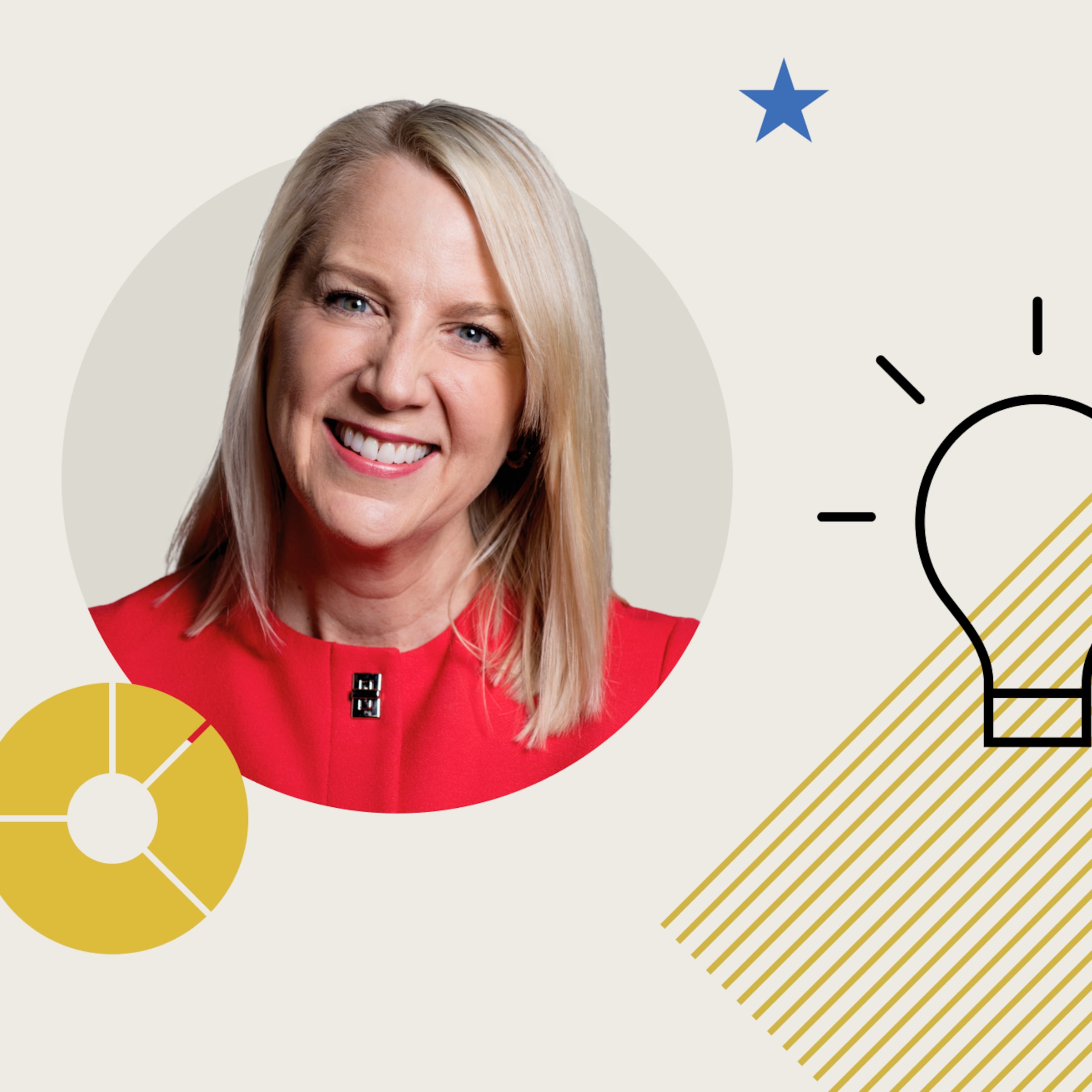
Daniel Bunn is president and CEO of the Tax Foundation.
This content was created by MarketWatch, which is operated by Dow Jones & Co. MarketWatch is published independently from Dow Jones Newswires and The Wall Street Journal.
(END) Dow Jones Newswires
11-14-26 0830ET
Copyright (c) 2026 Dow Jones & Company, Inc.The articles, information, and content displayed on this webpage may include materials prepared and provided by third parties. Such third-party content is offered for informational purposes only and is not endorsed, reviewed, or verified by Morningstar.
Morningstar makes no representations or warranties regarding the accuracy, completeness, timeliness, or reliability of any third-party content displayed on this site. The views and opinions expressed in third-party content are those of the respective authors and do not necessarily reflect the views of Morningstar, its affiliates, or employees.
Morningstar is not responsible for any errors, omissions, or delays in this content, nor for any actions taken in reliance thereon. Users are advised to exercise their own judgment and seek independent financial advice before making any decisions based on such content. The third-party providers of this content are not affiliated with Morningstar, and their inclusion on this site does not imply any form of partnership, agency, or endorsement.
Popular

4 Growth Stocks to Buy While They’re Still Undervalued

3 of the Best Core Stocks to Own

3 Great New ETFs From 2026
Retirees: 5 Reasons to Consider Index Funds and ETFs


 United States