
With the copper price surfing all-time highs, here's what one CEO thinks about the sector long term

By Jules Rimmer
The next fifteen years will see demand far outstrip supply on current assumptions, an executive says
Developing a copper mine can take two decades and the capex requirements can be onerous in a world of rising interest rates
The chief executive of a major copper development project in North America believes high prices are here to stay and the threats to supply continue to outweigh those to demand.
Copper has been in a steep, upward trend since the pandemic. This week on the COMEX (HG00) exchange, futures touched $6.87 per pound, up around 19% so far this year. On the London Metal Exchange, the price per metric ton reached $14,800. Both set records. The price in the U.S. translates to around $15,141 in London and illustrates the premium U.S. buyers are prepared to pay as they build stockpiles ahead of the tariffs that President Donald Trump has threatened to impose on imports.
This premium showed signs of crumbling Thursday as a Reuters story quoted two sources from the administration familiar with the matter who reported that the White House might be having second thoughts about imposing the tariffs, given concerns about affordability, news that sent copper futures down about 5% to the $6.57 level.
But tariffs are just one, smaller part of the copper story.
The original theme backing the rise was electrification, driven by a shift away from fossil fuels. The boom in demand, however, was turbocharged by the rapid development of artificial-intelligence infrastructure in the last couple of years. The data centers constructed by U.S. hyperscalers like Amazon (AMZN), Alphabet (GOOG), SpaceX (SPCX) and Meta (META) all consume massive amounts of copper, mostly in terms of power distribution. Electricity travels through copper and there is no physical substitute.
Charlie Cryer, chief executive officer of Oroco Resource Corp (CA:OCO), regards these two narratives as structural, long-term propellants for copper that are unlikely to fade anytime soon. Vancouver-headquartered Oroco owns a significant copper asset in Santo Tomas in the northwestern part of Mexico, and many of the opportunities and challenges facing Cryer's development company are typical of the industry in general.
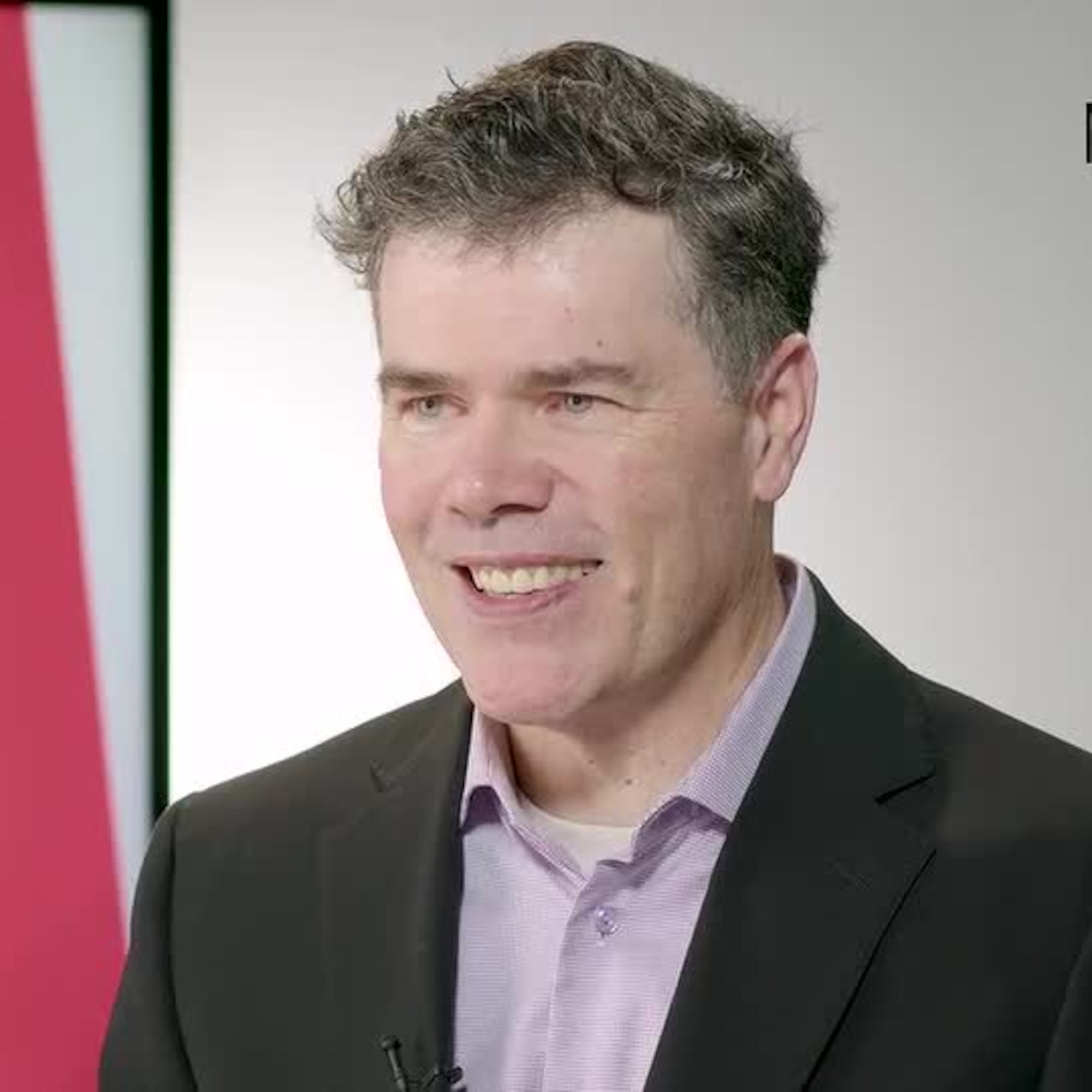
Charlie Cryer, CEO of Oroco Resource Corp
The AI and electrification demand narratives are longer-term but there are cyclical factors pushing copper prices up to its all-time highs too, Cryer points out.
Grades, or the concentration of pure copper in the mined ore, have been in decline for years as most of the world's best and most readily available sites have been depleted, and there have been very few major discoveries of the 500,000 ton size or bigger in recent years. Copper miners, Cryer adds, mostly know where the big reserves are concentrated, and unearthing lots of surprisingly large deposits is unlikely now.
To aggravate that scarcity, capex has been in decline for a long while as infrastructure is ageing, developing a new mine can take 15 to 20 years to bring it on stream and rising interest rates make the financing of mega projects increasingly difficult. Adding to the mix, 50% of the world's supply of sulphur transits the Strait of Hormuz en route to global markets and the resultant shortage of sulphuric acid has reduced the production at copper mines that depend on it for their operations. As a consequence, copper production globally has been falling or flatlining for some time.
The big bull argument for copper, Cryer highlights, is that by 2040 the International Energy Agency estimates worldwide demand will hit 42 million tons per annum and supply is likely to fall short by anywhere up to 12 million tons, according to a report published by Bernstein Private Wealth Management in July. This is not a left-field forecast: S&P Global predicts a 24% supply gap by 2040 also. The deficit becomes meaningful from 2035 onwards.
The other key determinant of the copper price in recent years has been the growing impact of geopolitics, deglobalization, disrupted supply chains and resource autonomy. The superpower competition between the U.S. and China has fragmented resource markets and created a battle for critical minerals and rare earths. Lots of the world's biggest copper deposits, like those in the Democratic Republic of the Congo or Latin America are located in geographies with unpredictable politics. Copper's price rally has to be understood through this prism, Cryer maintains.
The long lead times for developing large, new assets means that further industry consolidation between the global copper giants is possible, Cryer adds. Already this year No. 7 producer Rio Tinto (UK:RIO) attempted a merger with No. 4 Glencore (UK:GLEN) while No .8 producer Anglo American (UK:AAL) did succeed in agreeing a merger with Teck (CA:TECK.B) that completes in 2027.
These deals are complicated, however, and Cryer thinks it's more likely the big copper players try to buy significant assets once they are satisfied that the project is feasible and the operational uncertainties have been de-risked.
Oroco hopes that its Mexican asset, which contains around a billion tons of copper ore and is forecast to have an operational life of twenty years, will commence production in 2032. Having undertaken its preliminary economic assessment in 2024, it will release its pre-feasibility study in 2027 which may make it a more appealing target for one of the copper giants on the hunt for decent assets.
Cryer says the long-term copper price it assumes in its models is currently a quite conservative $4 per pound. While this will likely be upgraded at some point, Cryer, a veteran of the mining industry, acknowledges that predicting the long-run price of copper is far from straightforward.
If Trump were to pull back from his tariff threat, as the Reuters story Thursday suggests, if peace were restored in the Middle East or if the AI trade were to suddenly derail, then there could be material price falls, he warns. For the time being, $4 provides a comfortable cushion, he says.
-Jules Rimmer
This content was created by MarketWatch, which is operated by Dow Jones & Co. MarketWatch is published independently from Dow Jones Newswires and The Wall Street Journal.
(END) Dow Jones Newswires
09-10-26 0742ET
Copyright (c) 2026 Dow Jones & Company, Inc.The articles, information, and content displayed on this webpage may include materials prepared and provided by third parties. Such third-party content is offered for informational purposes only and is not endorsed, reviewed, or verified by Morningstar.
Morningstar makes no representations or warranties regarding the accuracy, completeness, timeliness, or reliability of any third-party content displayed on this site. The views and opinions expressed in third-party content are those of the respective authors and do not necessarily reflect the views of Morningstar, its affiliates, or employees.
Morningstar is not responsible for any errors, omissions, or delays in this content, nor for any actions taken in reliance thereon. Users are advised to exercise their own judgment and seek independent financial advice before making any decisions based on such content. The third-party providers of this content are not affiliated with Morningstar, and their inclusion on this site does not imply any form of partnership, agency, or endorsement.
Popular

4 Stocks to Buy Before They Rise Further

The 10 Best Companies to Invest in Now
14 Elite Funds and ETFs, and 5 Popular Funds That Just Missed the Mark

2 Undervalued Stocks to Buy Before They Rebound


 United States